air
Amanda Michalopoulou
“For me books have always been an addiction, as long as I can remember. They were my hiding place.”
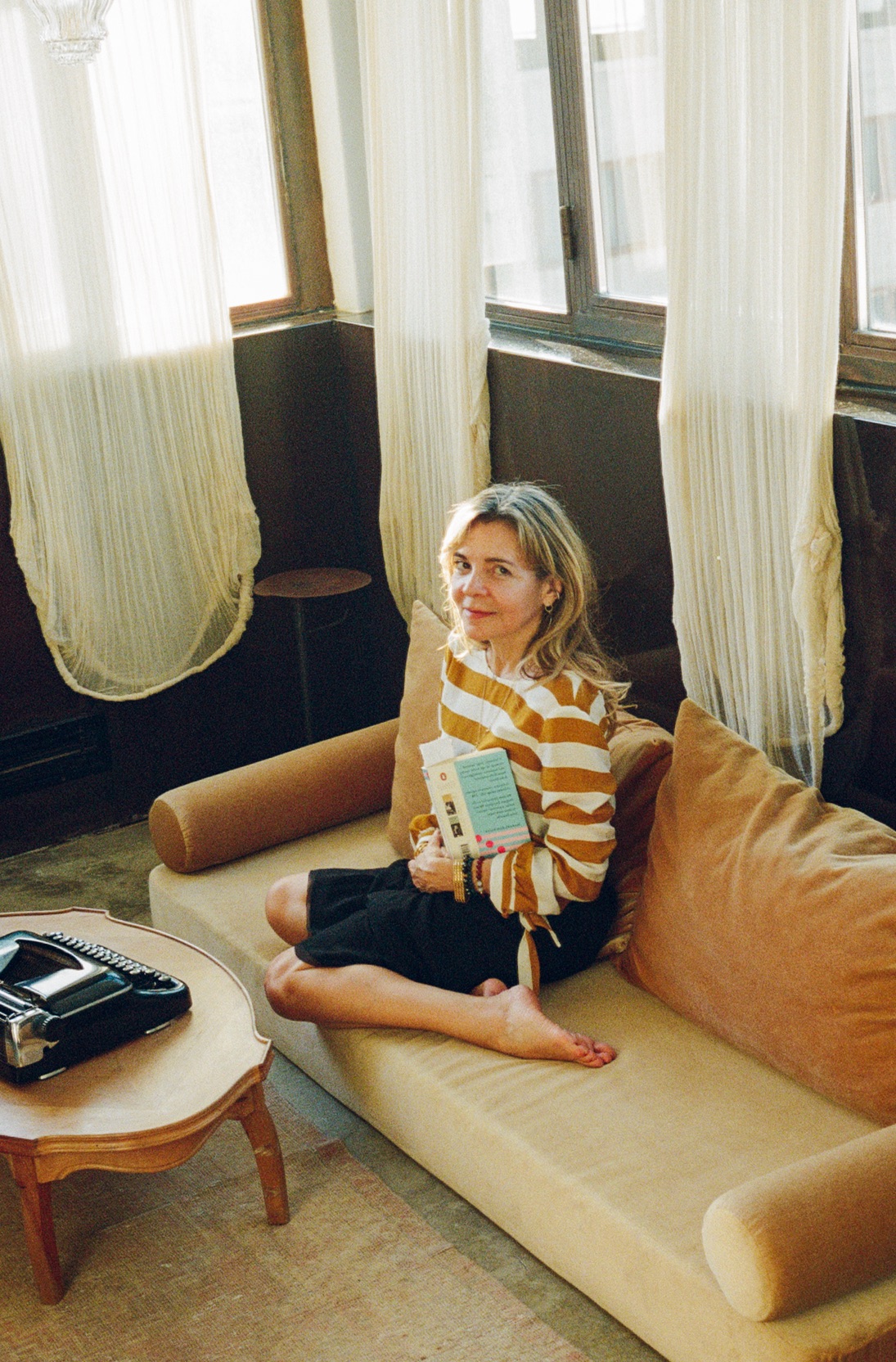
Greek novelist Amanda Michalopoulou writes with a playful inventiveness that deconstructs and reconstructs narrative form. Her work moves between perspectives, layering voices and temporalities in a manner that echoes the hybrid architecture of Athens itself.
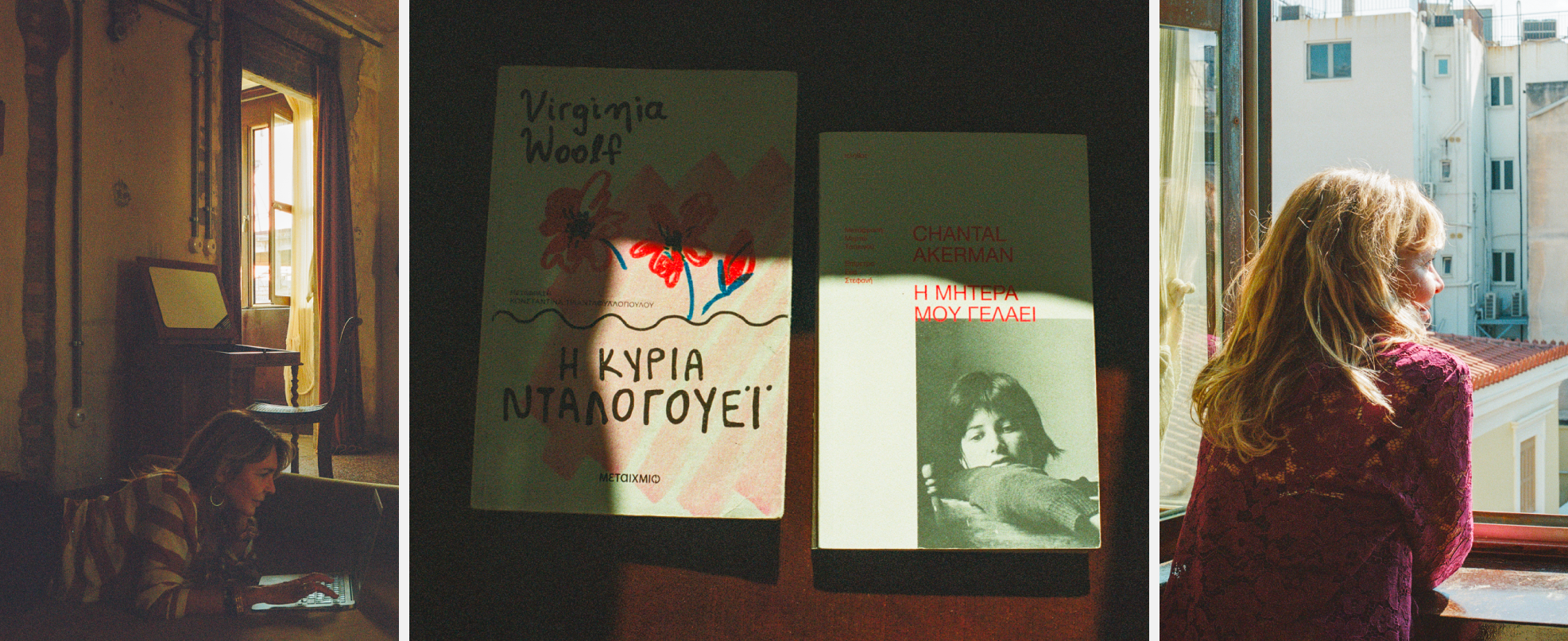
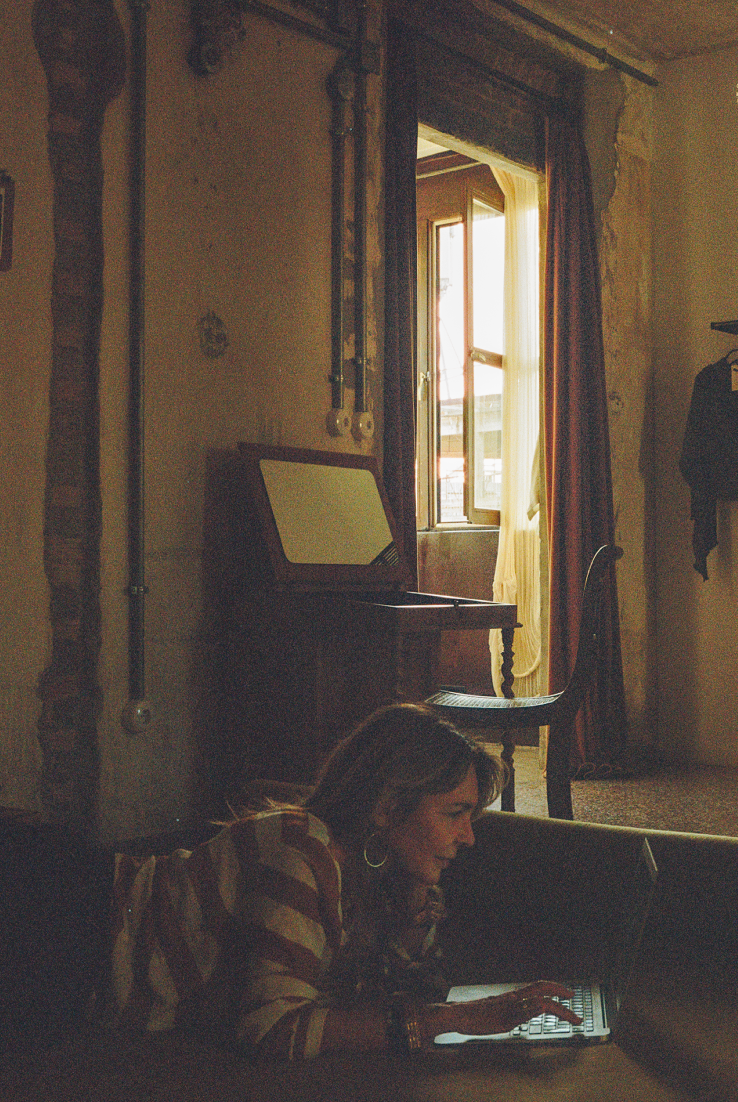
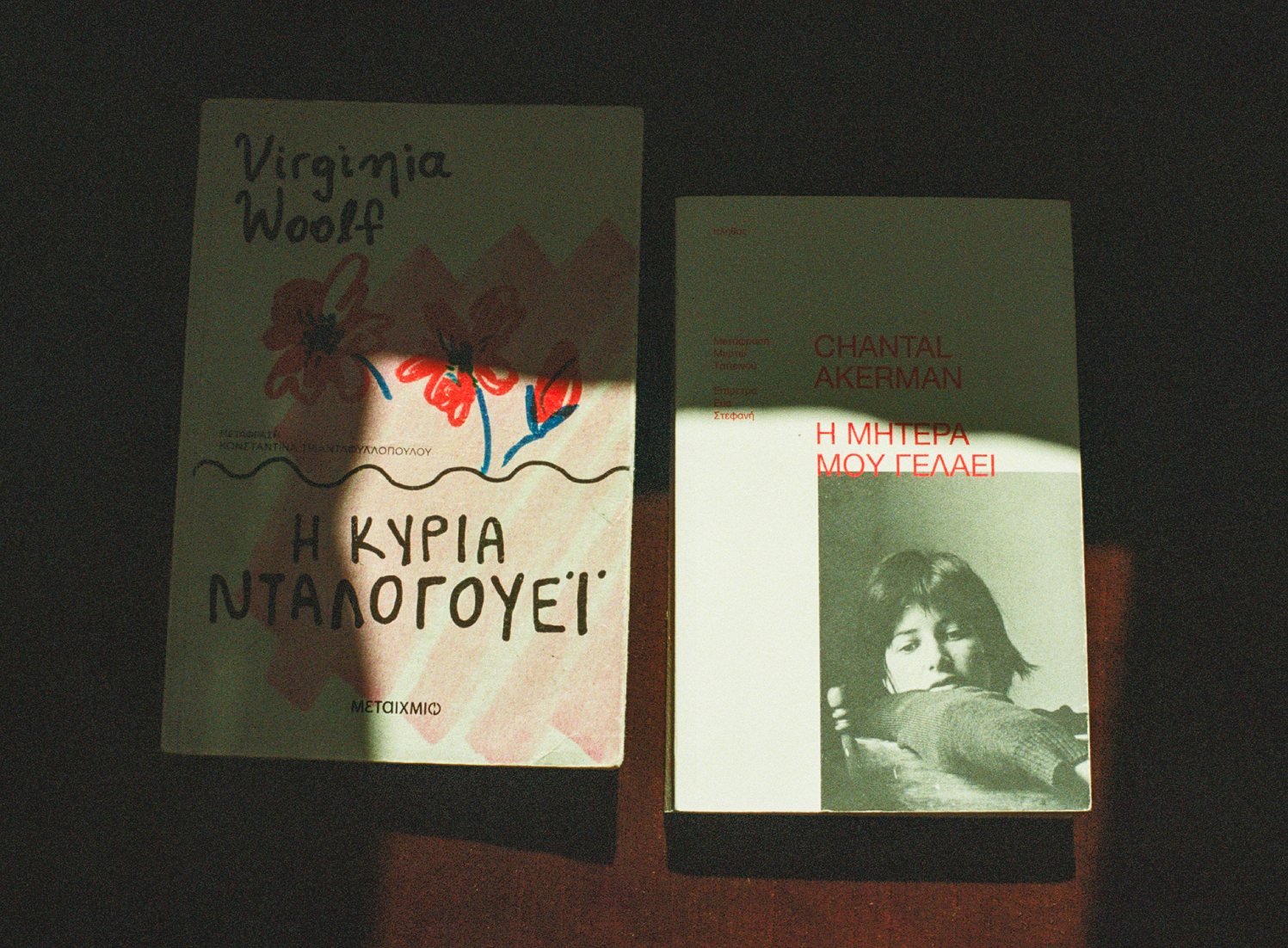
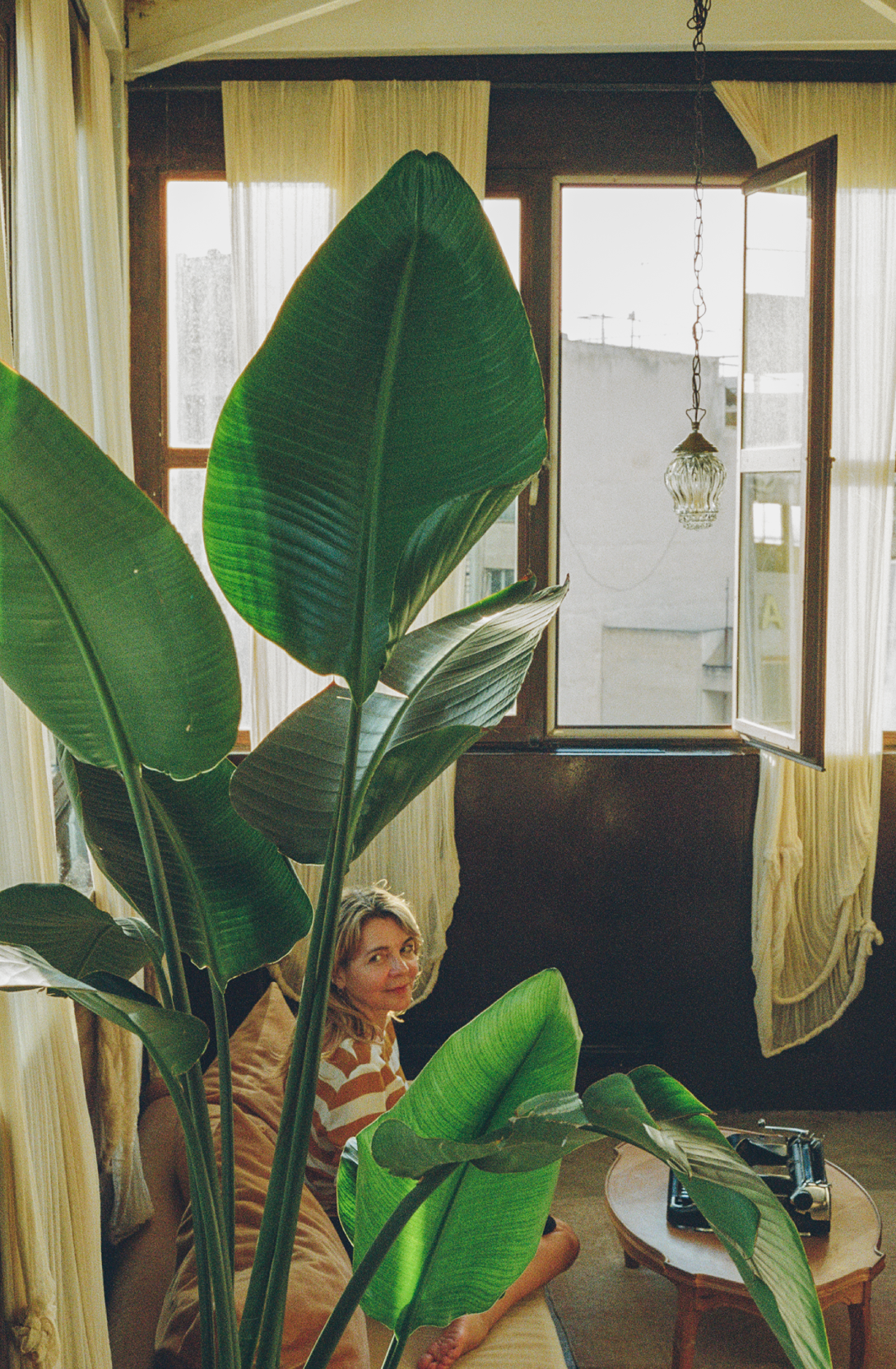
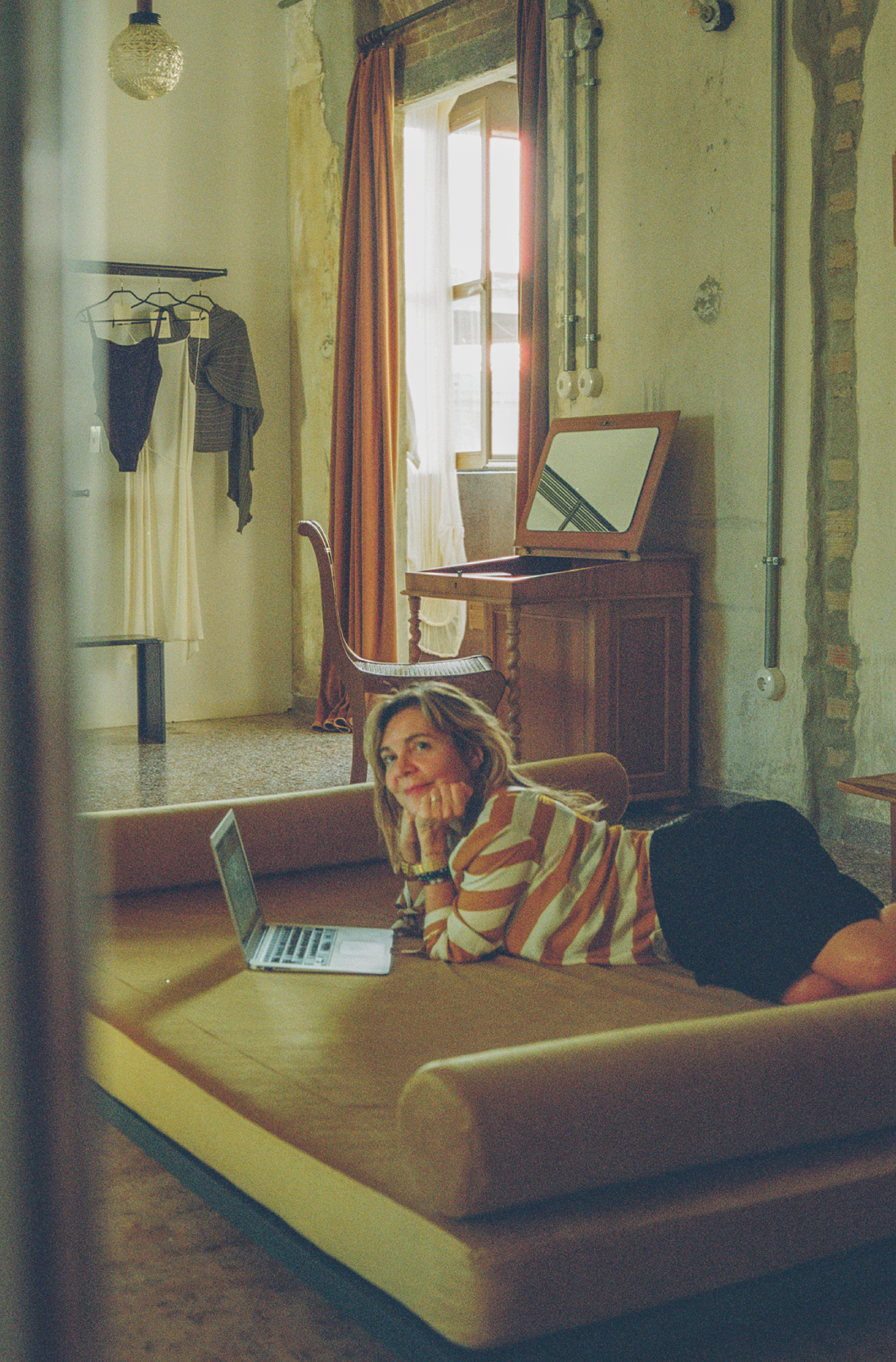
Amanda stayed at Mona and Shila for a week as part of her assignment: to write a work of fiction set in Athens for a new travel guide commissioned by the French publishing house L’arbre qui marche. Her approach is to reimagine Virginia Woolf’s Mrs. Dalloway in contemporary Athens. Working in situ, she moved between different neighborhoods inhabiting the consciousness of her characters. What emerges is a conversation about how we play with materials – whether literary, architectural, or historical – to create something new from what already exists.
In an open conversation, we spoke about writing as an intense love affair, Athens as a palimpsest, the enduring power of storytelling, and why novels still matter in an age of technological intrusion.
“The hotel room is a highly charged internal landscape. It brings to the surface qualities or emotions I didn’t know I had.”
photography by EFTIHIA STEFANIDI
photography by EFTIHIA STEFANIDI
photography by EFTIHIA STEFANIDI
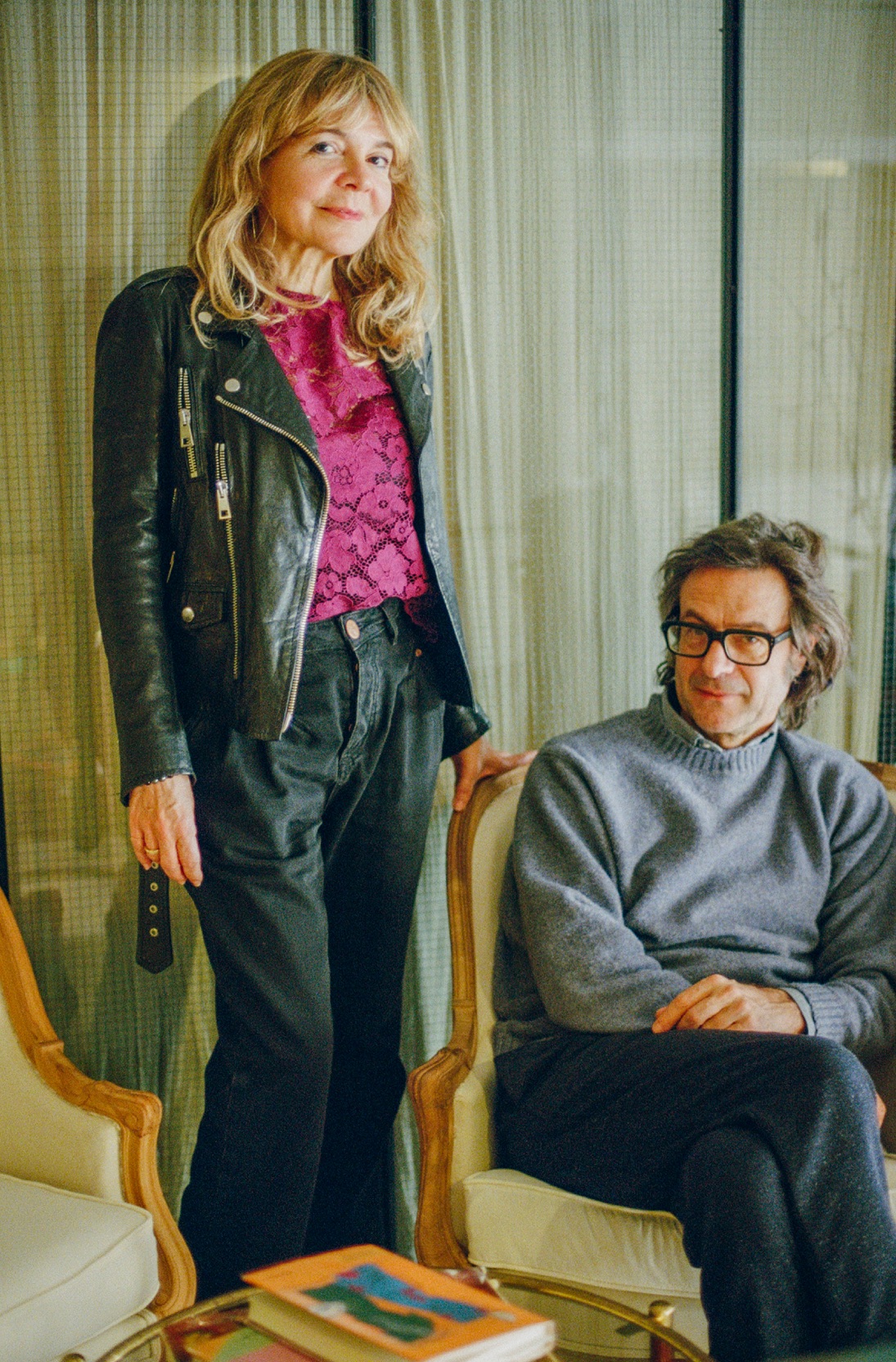
Amanda with her husband, artist Dimitris Tsoumplekas at Mona.
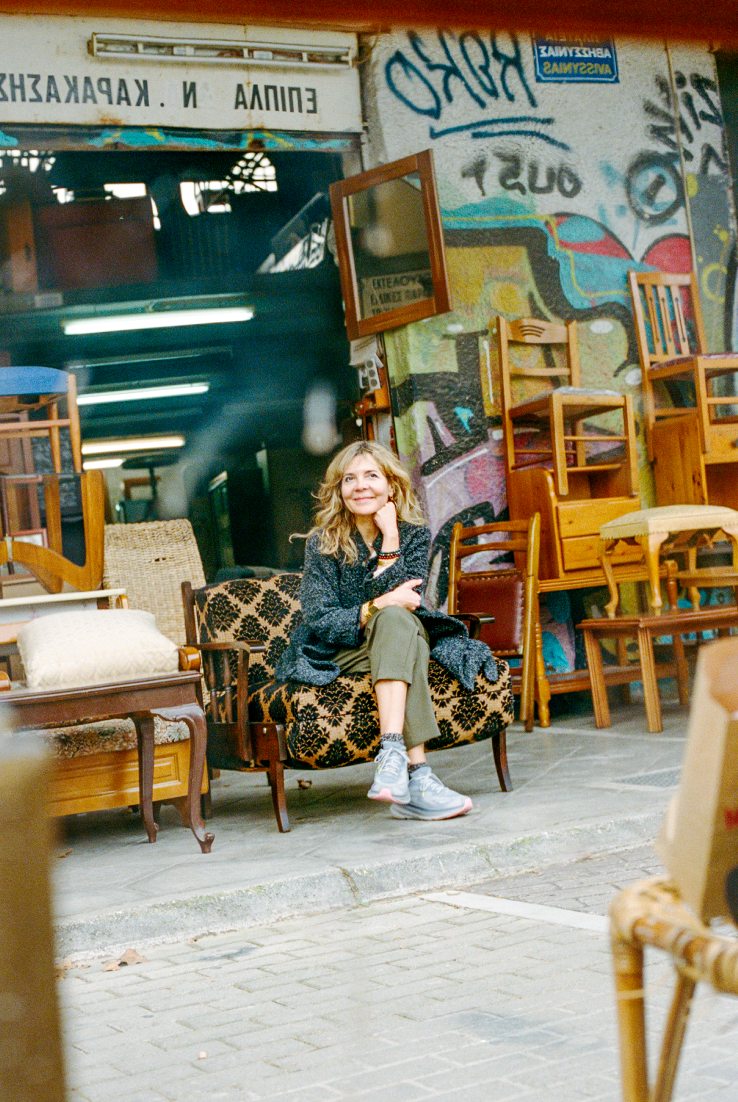
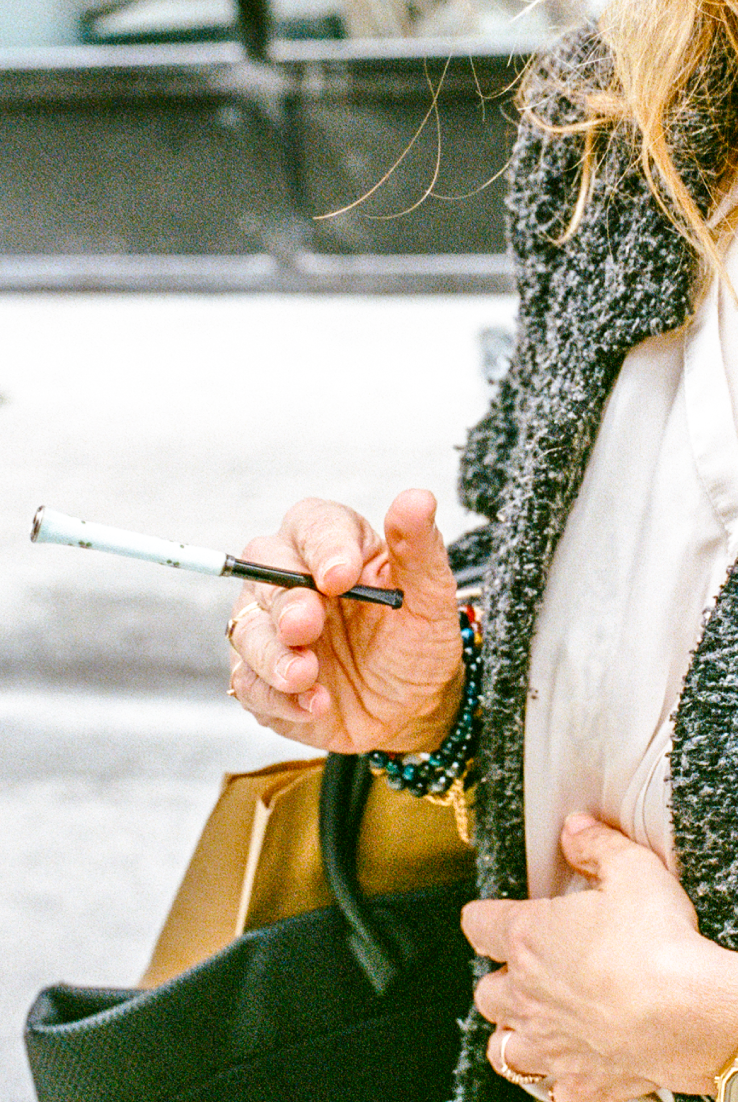
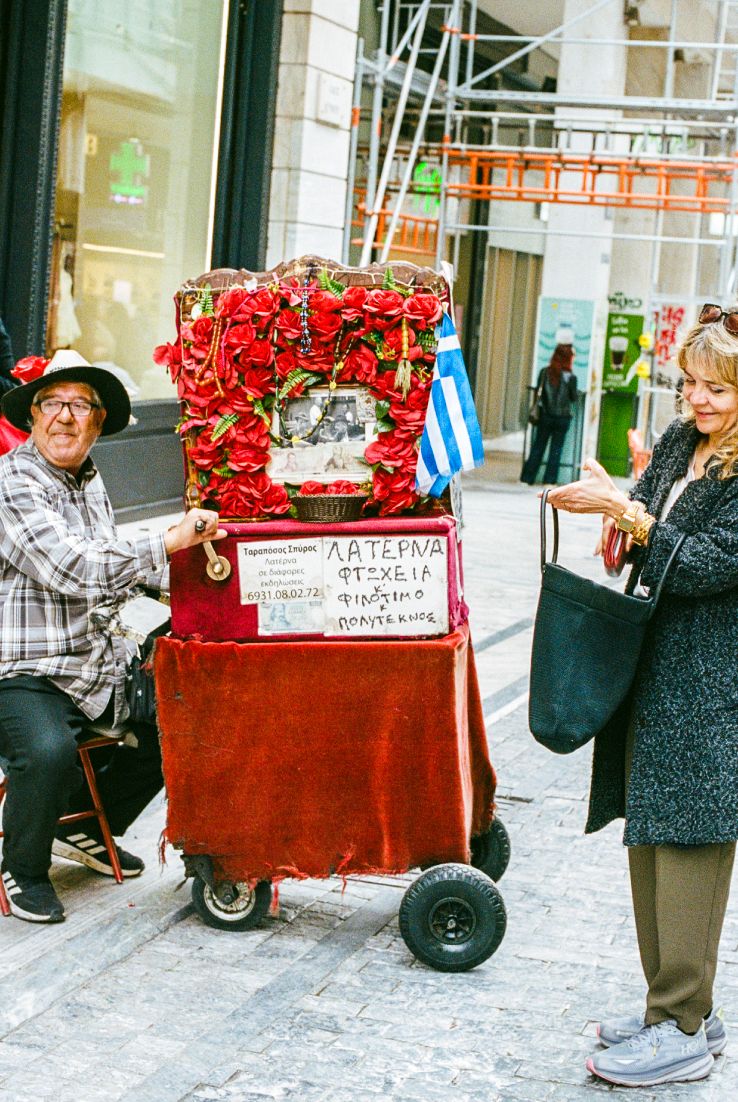
photography by EFTIHIA STEFANIDI
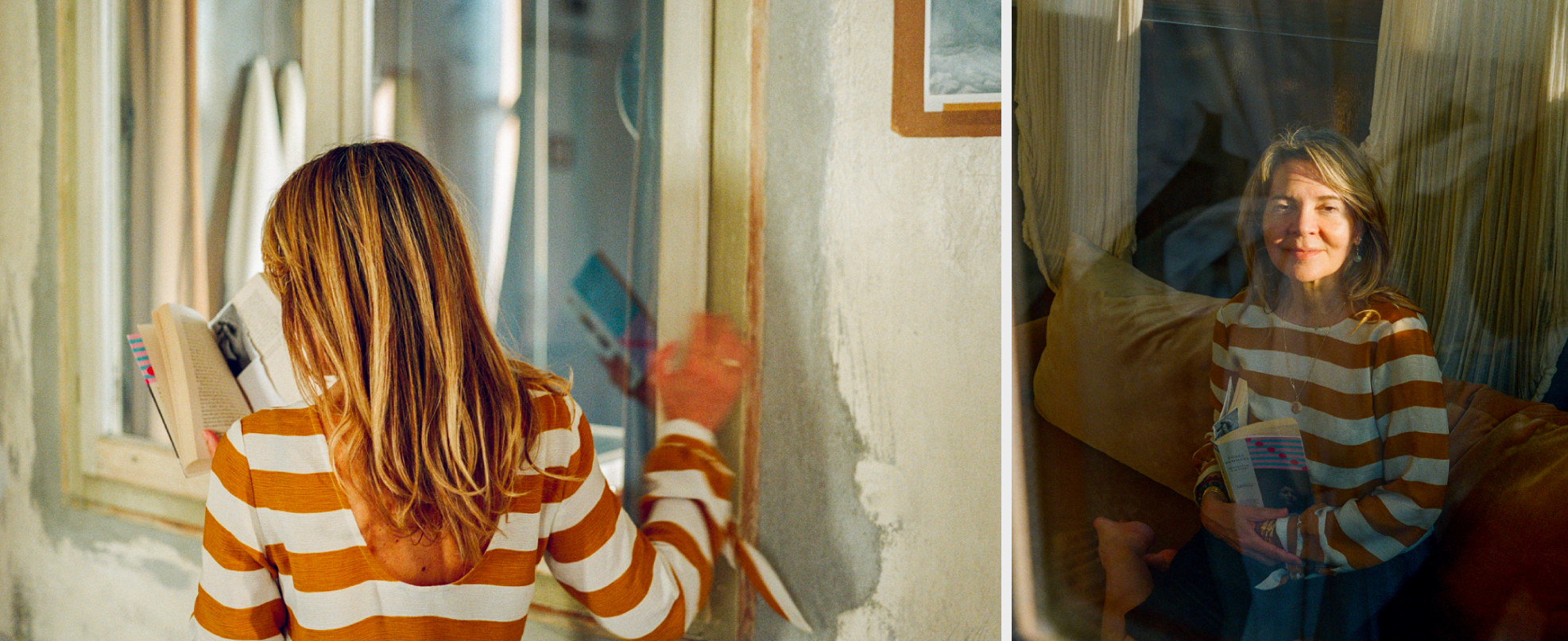
photography by EFTIHIA STEFANIDI
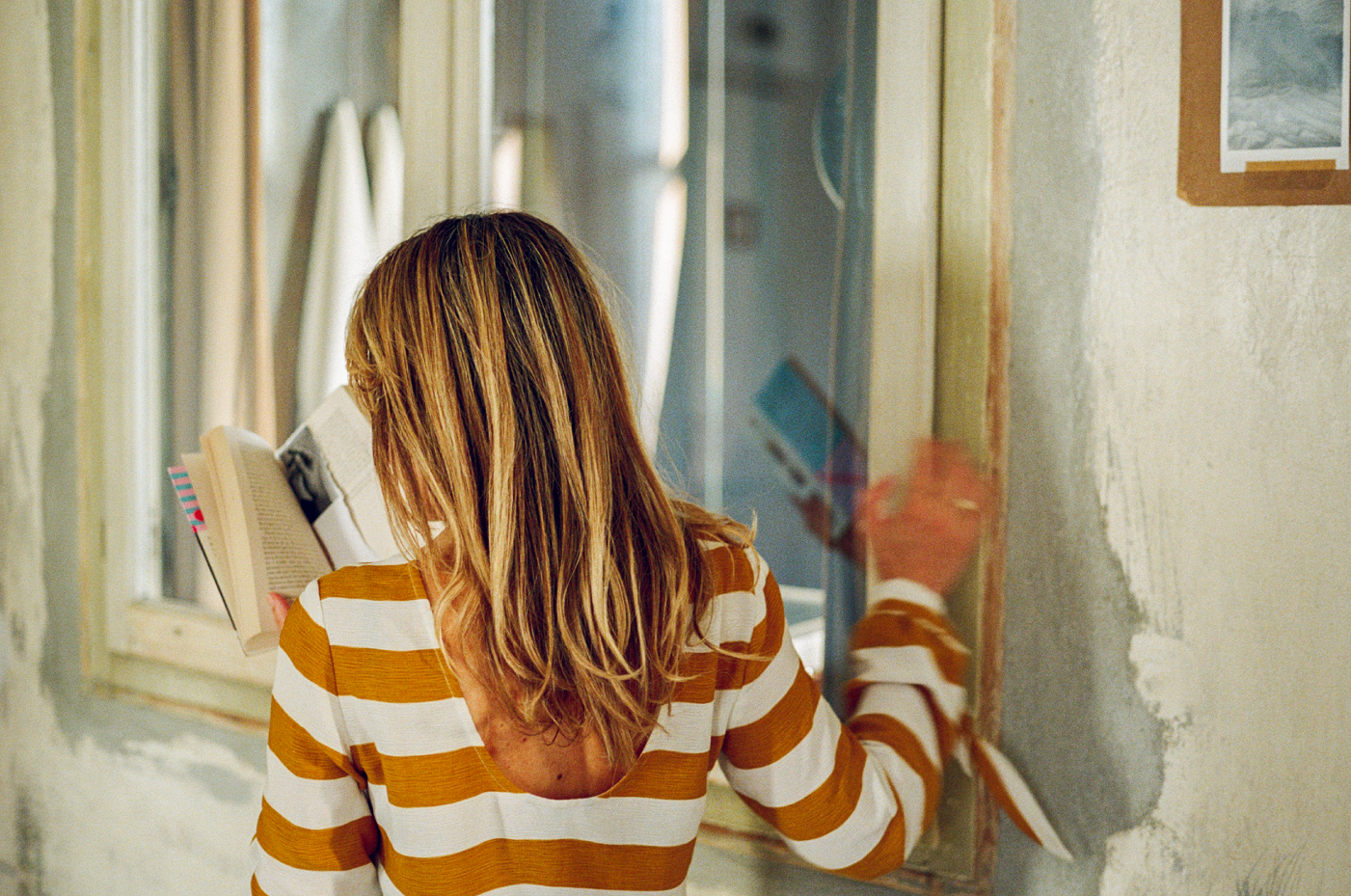
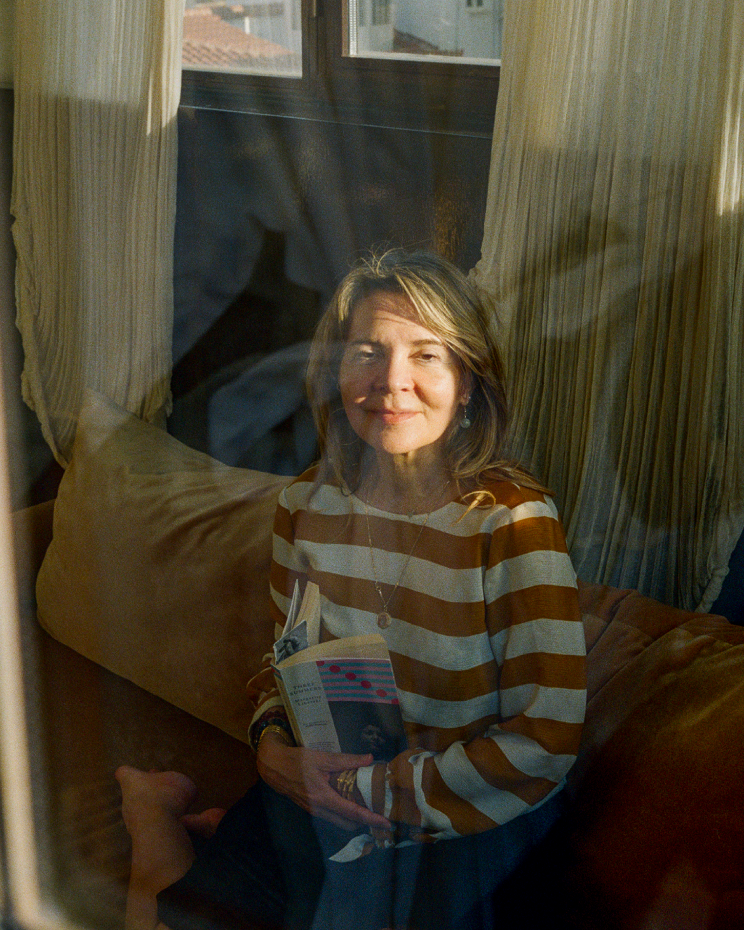
photography by EFTIHIA STEFANIDI
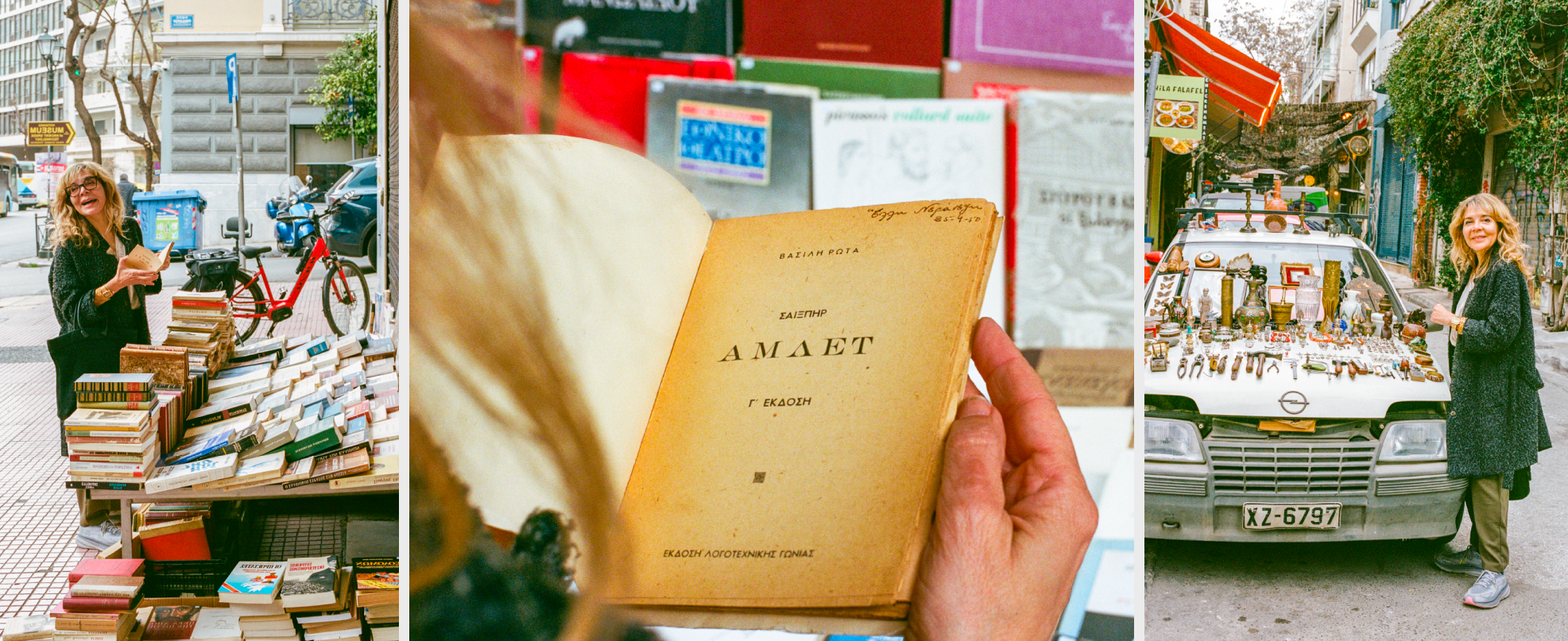
photography by EFTIHIA STEFANIDI
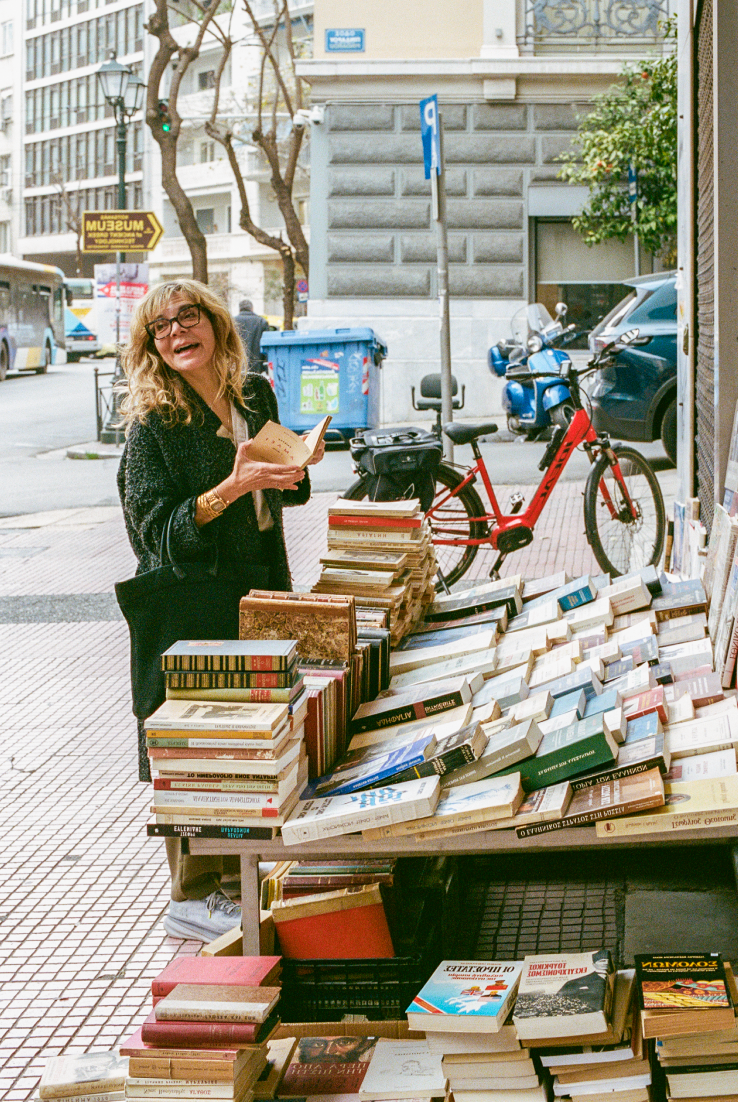
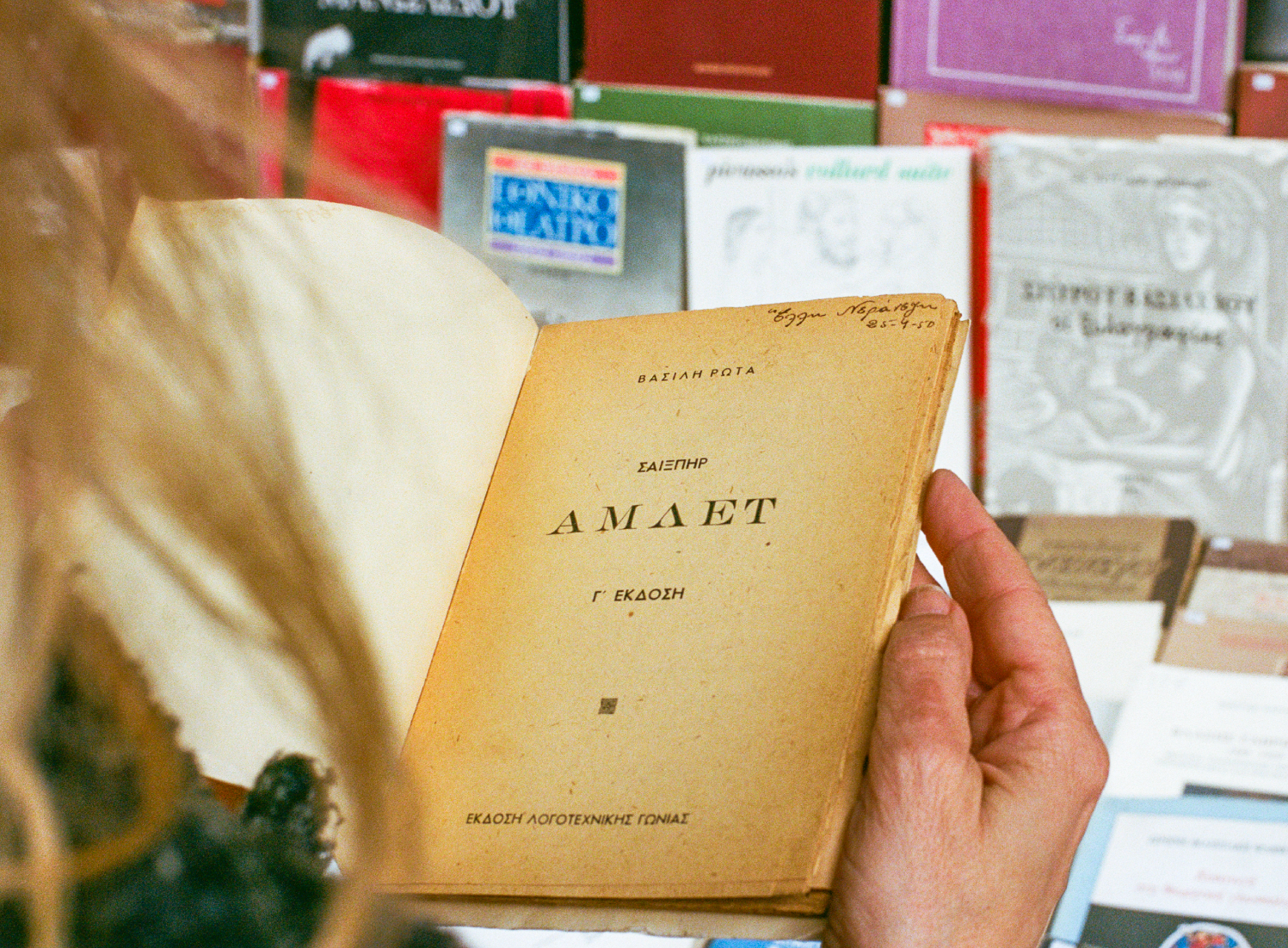
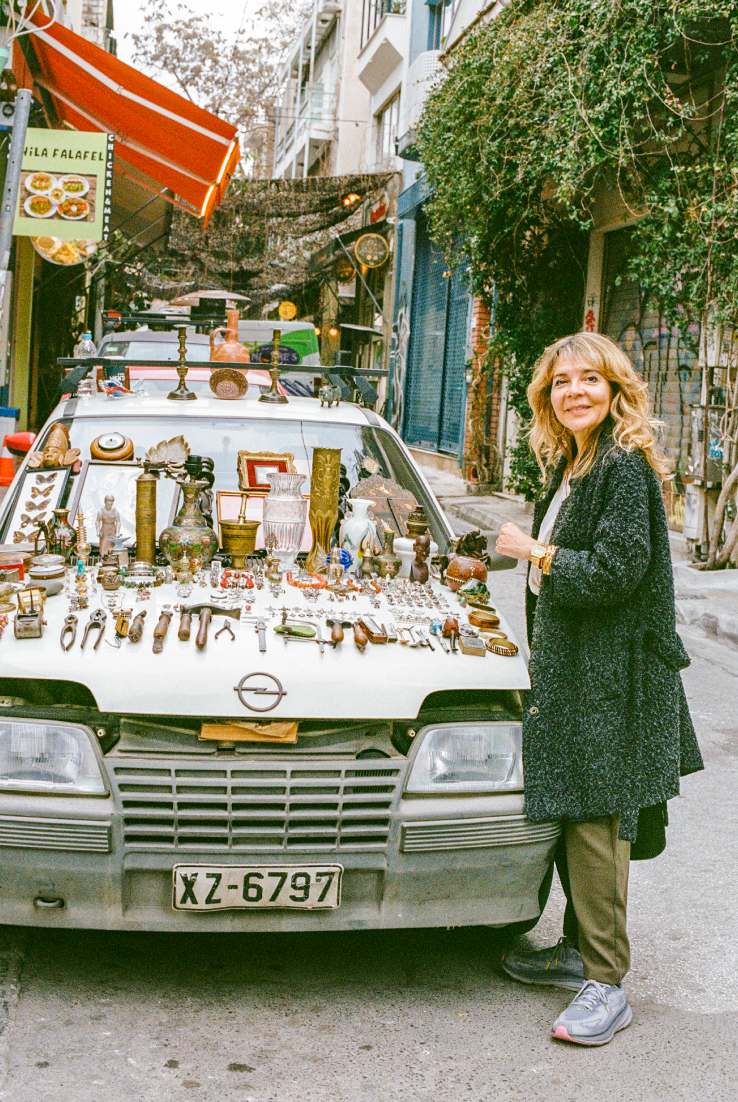
photography by EFTIHIA STEFANIDI
ES: I really believe this too. We all are thirsty for connection. And especially older people – they want to share their history, to keep it alive, to extend its lifespan, hold on to it. Of course, there is also the fear that these places might disappear as a generation passes, or even sooner.
AM: Because they are our collective grandparents. Greek writer Thanassis Valtinos said that life in Greece changed when these older people – who used to narrate such powerful stories – stopped being active narrators and became spectators, as the television set came to occupy the center of the house, the old fireplace.
ES: How does it feel to have this as your profession—writing and books—while living in a world where it’s becoming less and less present, with bookstores closing?
AM: It’s a difficult question. For me books have always been a way of living, an addiction, for as long as I can remember. They were also my hiding place. I was very much alone as a child and they were my company. My social world was made up of fictional characters.
So, I listen to this discussion, but I am not a part of it. For me, the conversation has always been with those writers in my head. I would tell them, you wrote a wonderful book—look at what I am trying to write. That was the conversation.
“At this point of my life, I need to be surrounded by people I love, and who love me. It’s no longer about meeting new people for the sake of it. I don’t need to meet famous writers or chase the idea of something extravagant like the Nobel Prize.”
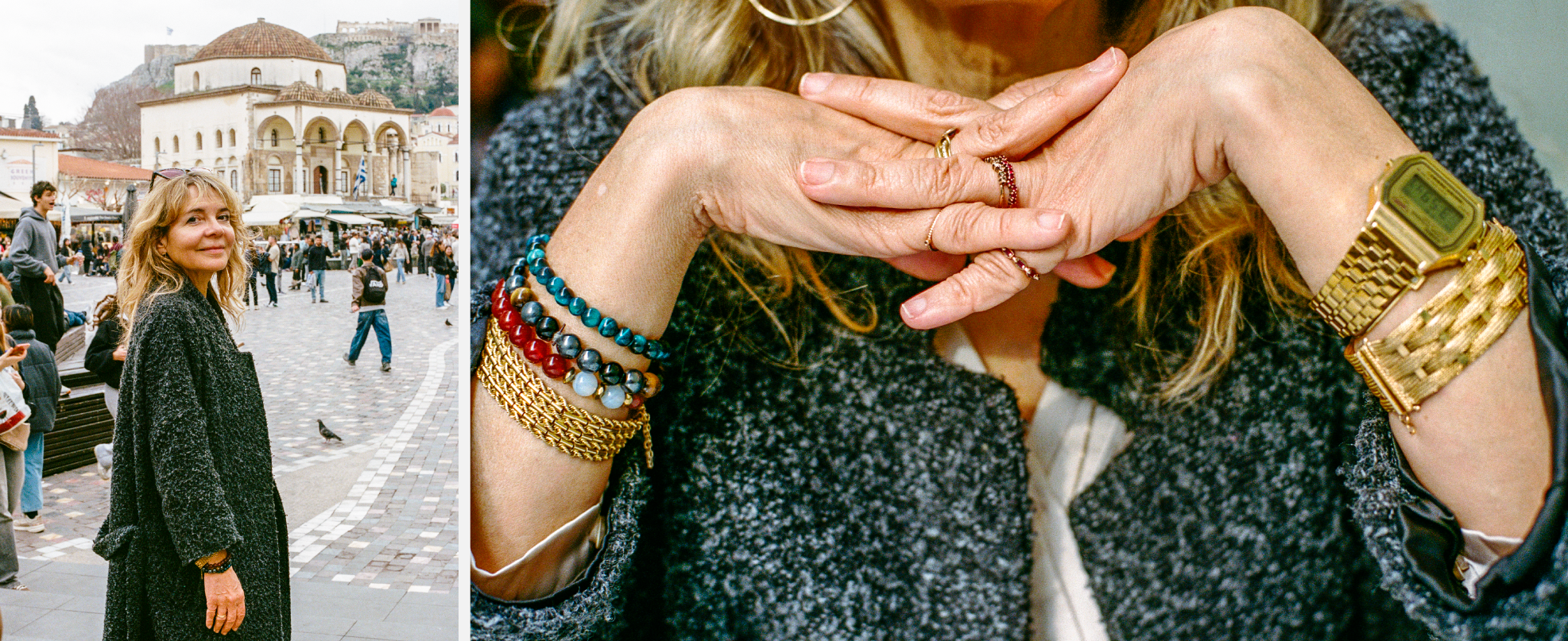
photography by EFTIHIA STEFANIDI
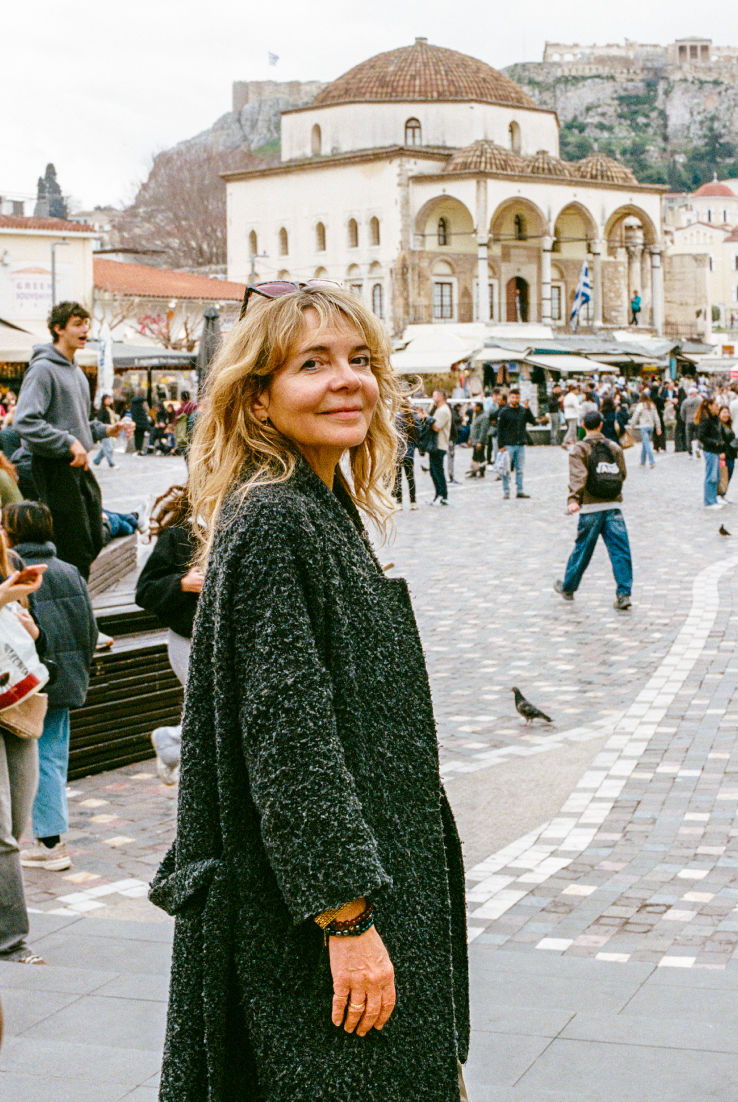
photography by EFTIHIA STEFANIDI
ES: You were showing what you’ve done to your favorite writers.
AM: This is what I do with Mrs. Dalloway now, out of immense adoration and respect for Virginia Woolf. Another novella I wrote four years ago, Her Metamorphosis, was based on Kafka. A girl who wakes up as a boy, the same way that Gregor Samsa wakes up as an insect.
So sometimes, hidden within the layers of my plots, are the stories of other writers; the same way we talked about marble or ceramics before. You use the old material to form something new and see if it still resonates. People will always need stories as guides.
ES: How did you decide to become a writer. You were an avid reader – but was there a defining moment, or a mentor?
AM: A very powerful instance I remember, is our carpet in the living room of our family home, with its decorative patterns. I started creating stories with small flies and flowers. Before writing, before even reading, I remember this— and how great it felt. This sense of observation and making sense of observation.
Then another moment—and I’ve written about this in my autofictional book, Baroque—was when my mother took me to a psychologist at the age of nine, because of my nightmares and sleepwalking. I mean, to do this in the ’70s was brave and progressive. And the therapist said, this is not a problem, don’t worry. She has very existential questions. So you should buy her books. She will find answers there.
It was as if, instead of prescribing medicine or pills, she prescribed books. The books by Alki Zei, who was then one of the most important voices in children’s literature. And I got them – and I was hooked immediately.
ES: Did the nightmares stop?
AM: I remember that it became a much happier existence afterwards.
And then another forming experience from my youth is that I wrote a short story for a competition under another name – Dimitris Romanos. Melina Mercouri gave me the prize and even my father liked the ceremony, who thought that literature was a useless occupation.
ES: Why did you use a pen name?
AM: Because I was already well known as a journalist at Kathimerini. I was young—27—but I already had a career as a cultural journalist. And I didn’t want anyone to say, oh, she knows everyone, that’s how she got the prize.
So I used this pen name, Dimitris Romanos—and I won the prize. It was a big thing for me because it changed my identity instantly.
“My mother took me to a psychologist at the age of nine, because of my nightmares and sleepwalking […] And the therapist said, this is not a problem, don’t worry. She has very existential questions. So you should buy her books. She will find answers there.”
photography by EFTIHIA STEFANIDI
photography by EFTIHIA STEFANIDI
photography by EFTIHIA STEFANIDI