Full Width Scroll

In the pursuit of aesthetic pleasures

air

Jonė Reed

"Everything I choose to shoot is about giving myself permission in the moment. Even if I do plan something, it never works out the way I envision it. It always takes me in a different direction."

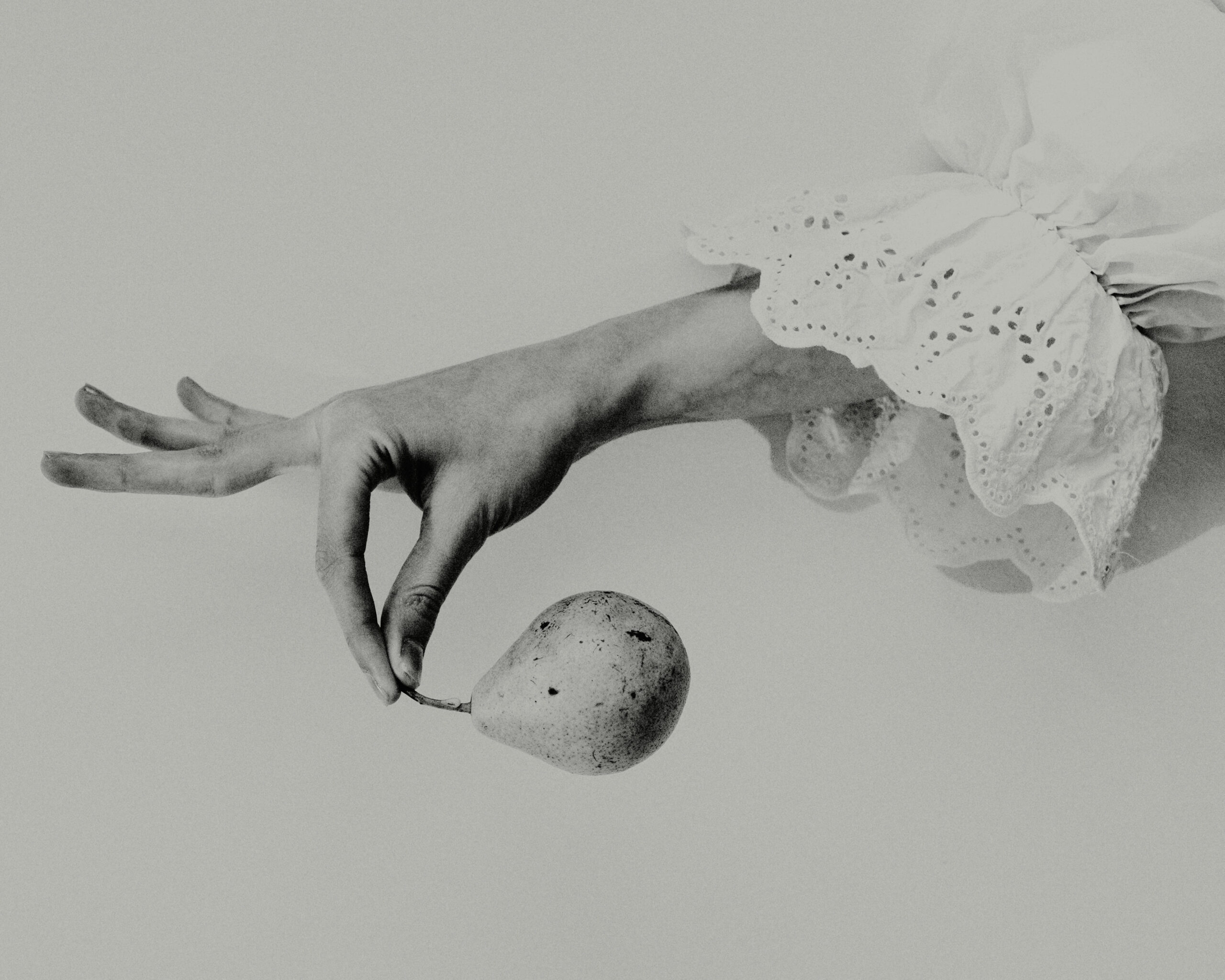
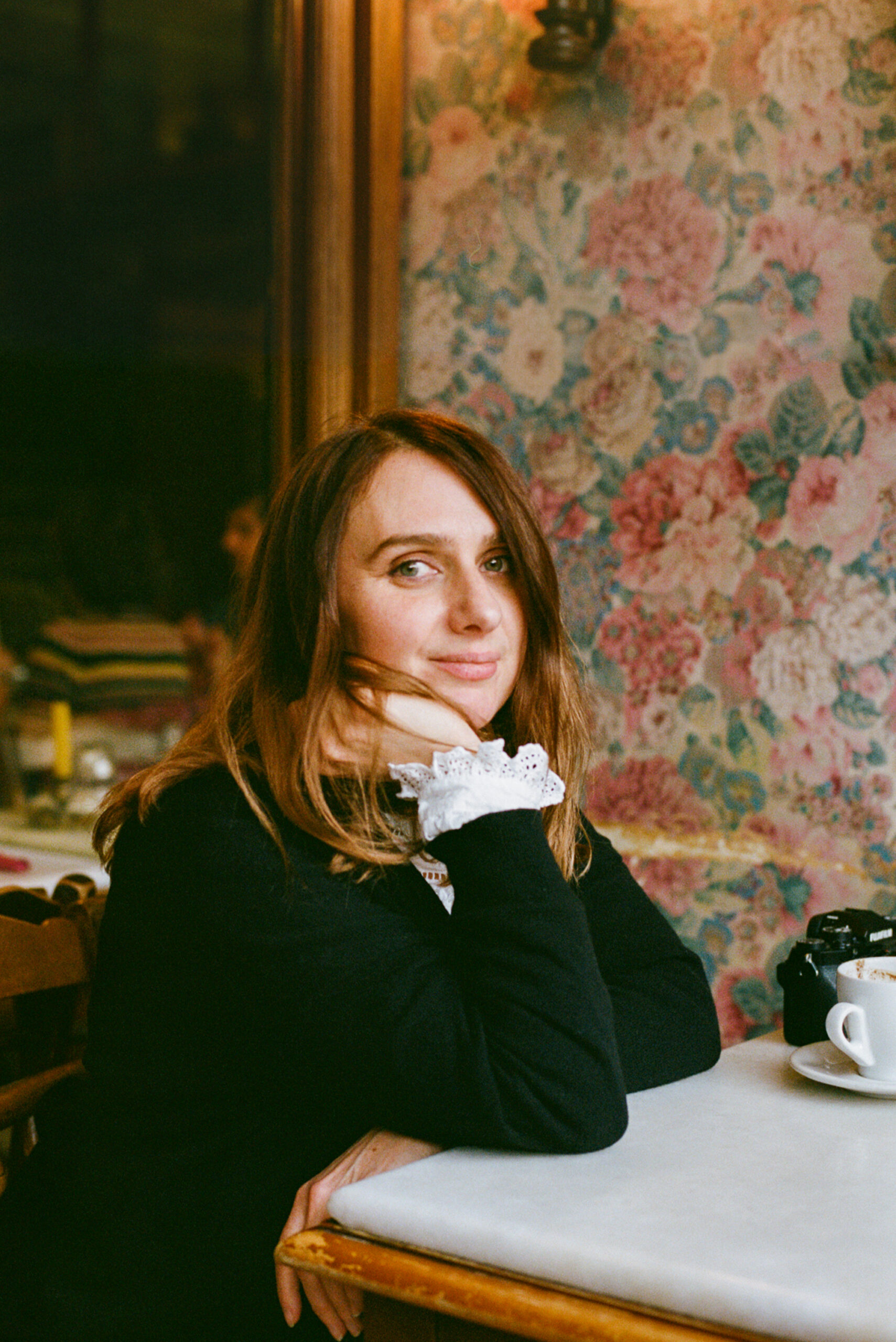
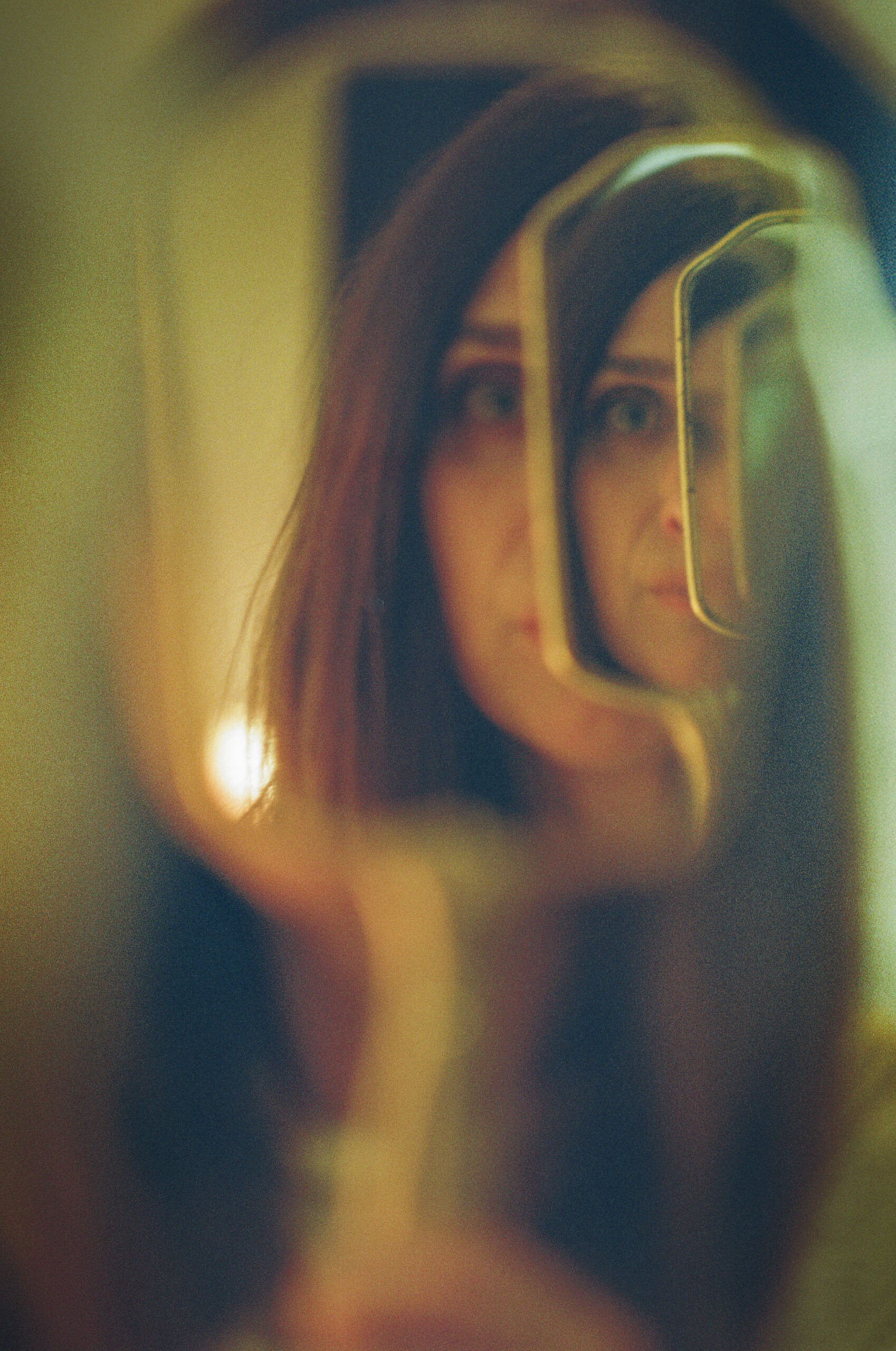
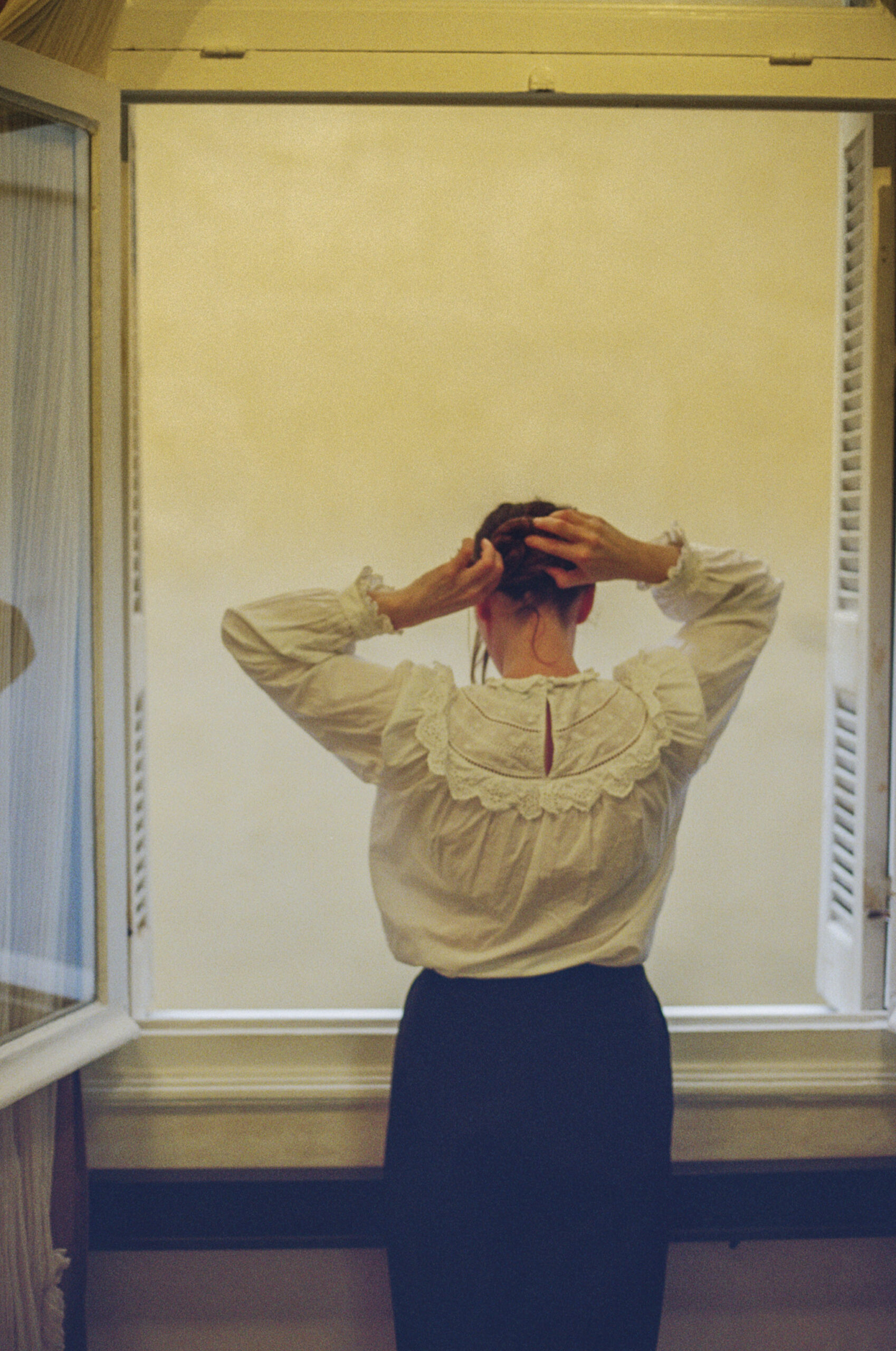
For photographer Jonė Reed, making images is less about planning than about paying attention. Born in Lithuania and now living in London, her work is shaped by both the landscapes of her childhood and the realities of motherhood today. Her photographs strike a delicate balance between presence and quiet longing, finding moments of mystery and beauty in the everyday. During a recent residency at Mona and Shila in Athens, she spoke about instinct in photography, the pull of her native home, and the ways love and family continue to shape the way she sees the world.
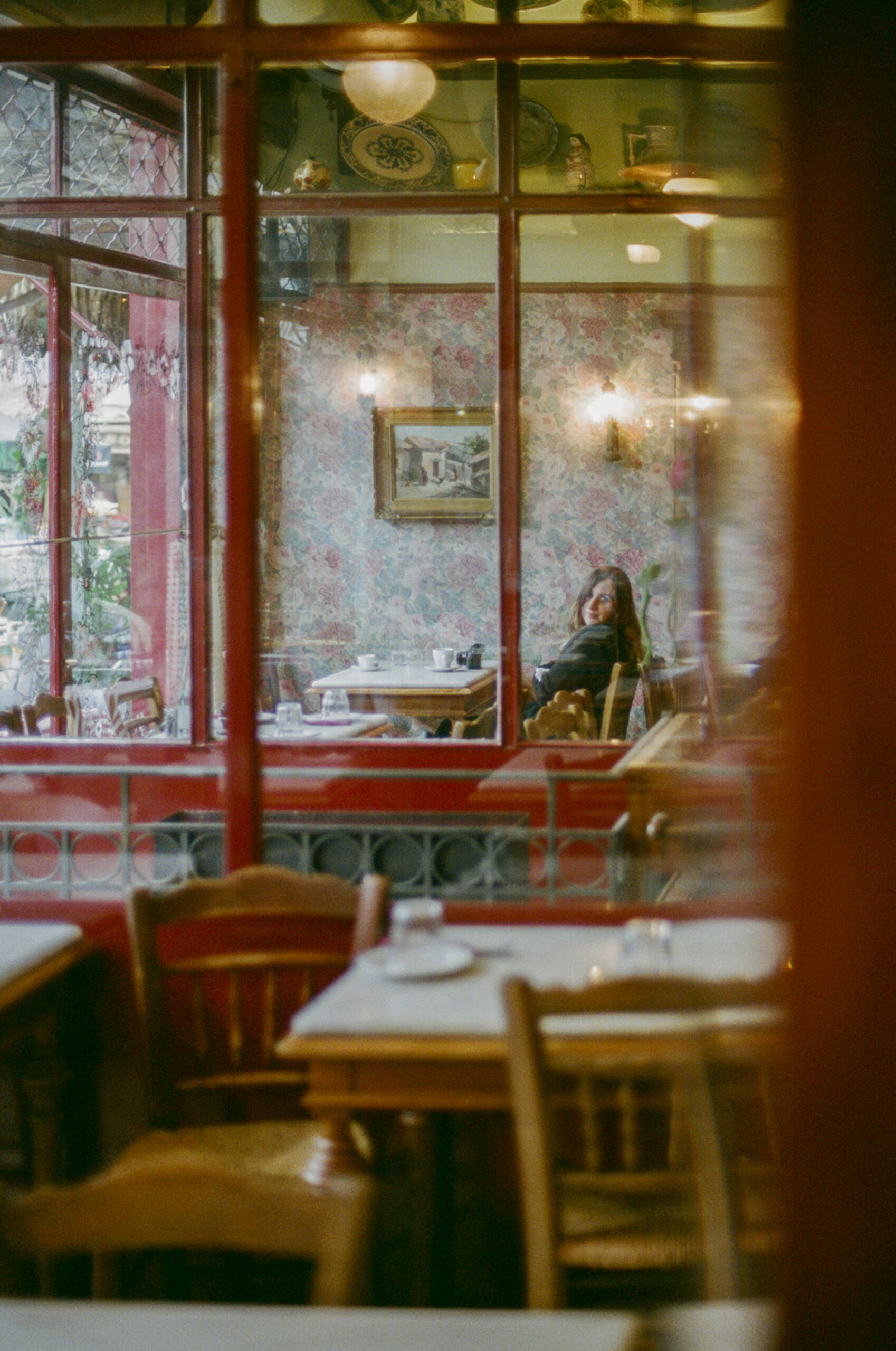
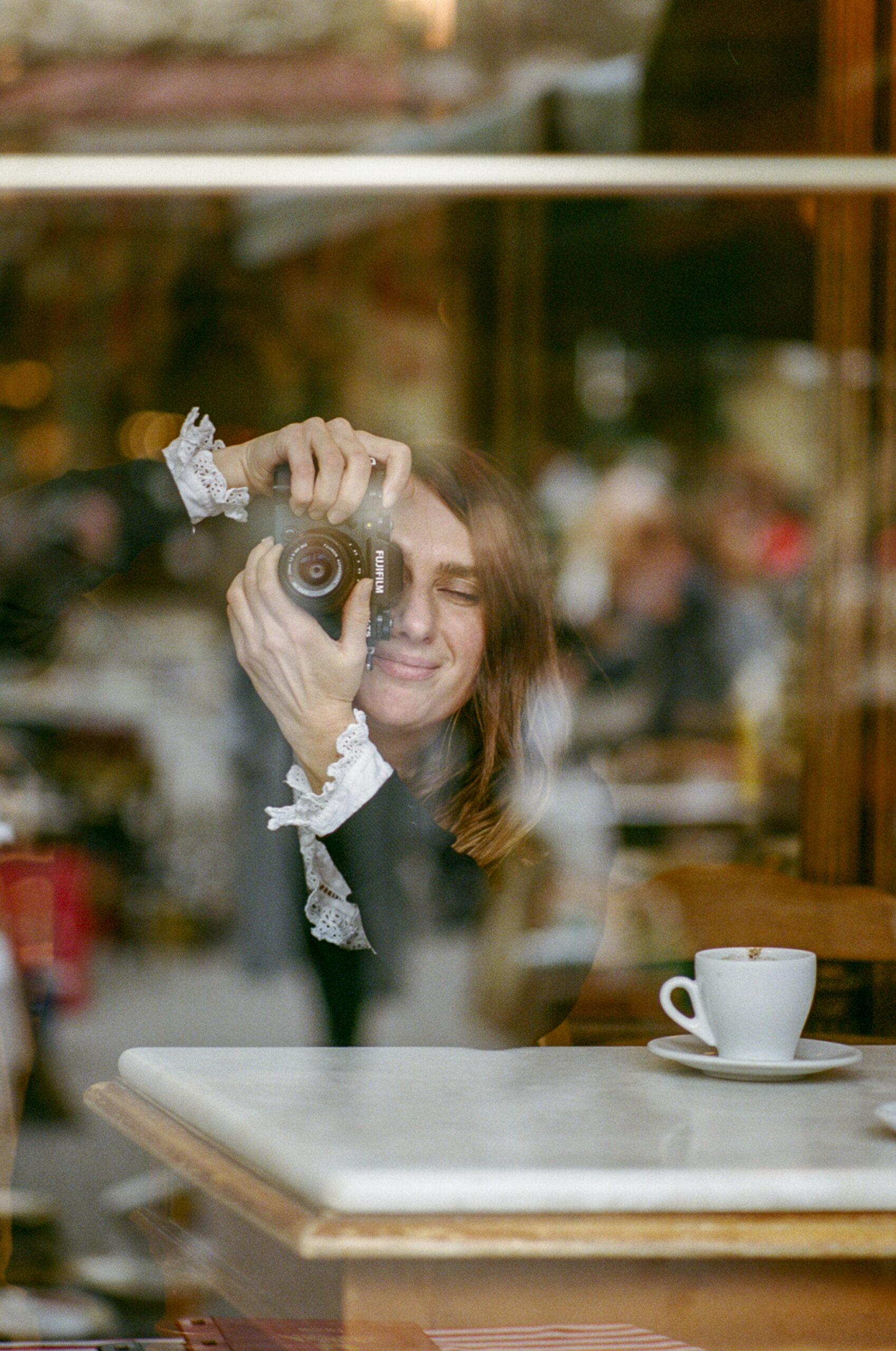
Interview & Portraits EFTIHIA STEFANIDI 

ES: It’s been a long time since you last visited Athens. How do you find it today?

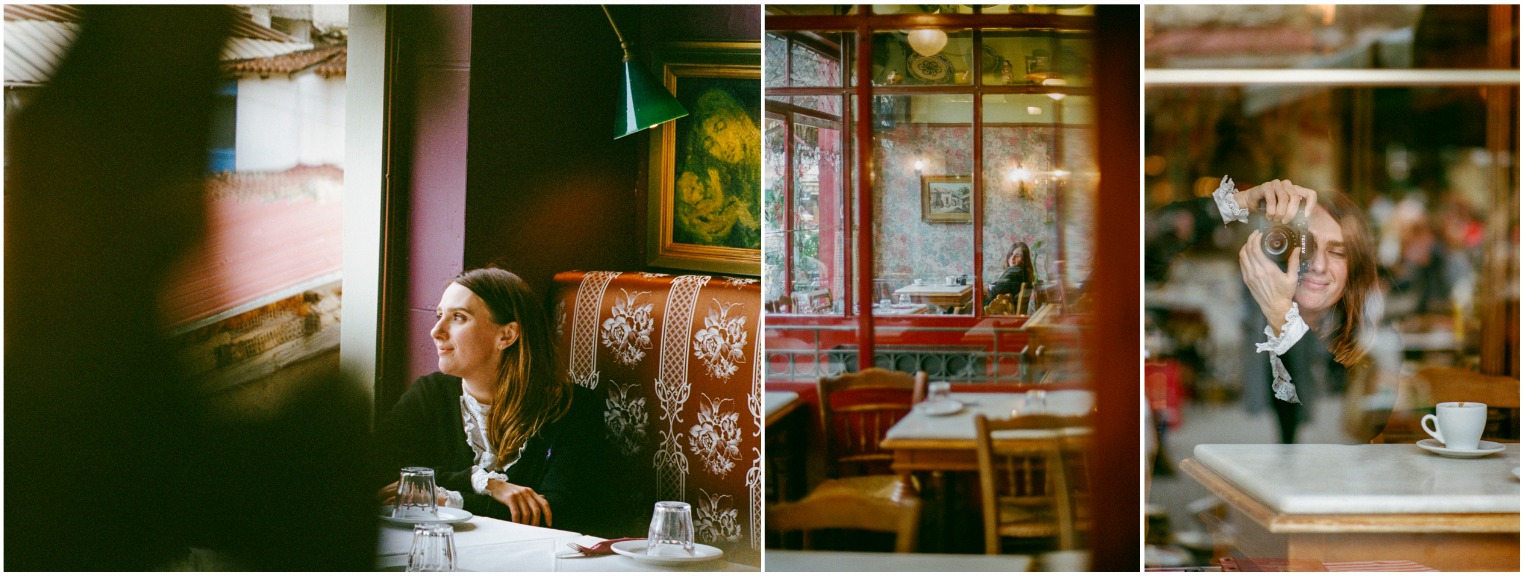
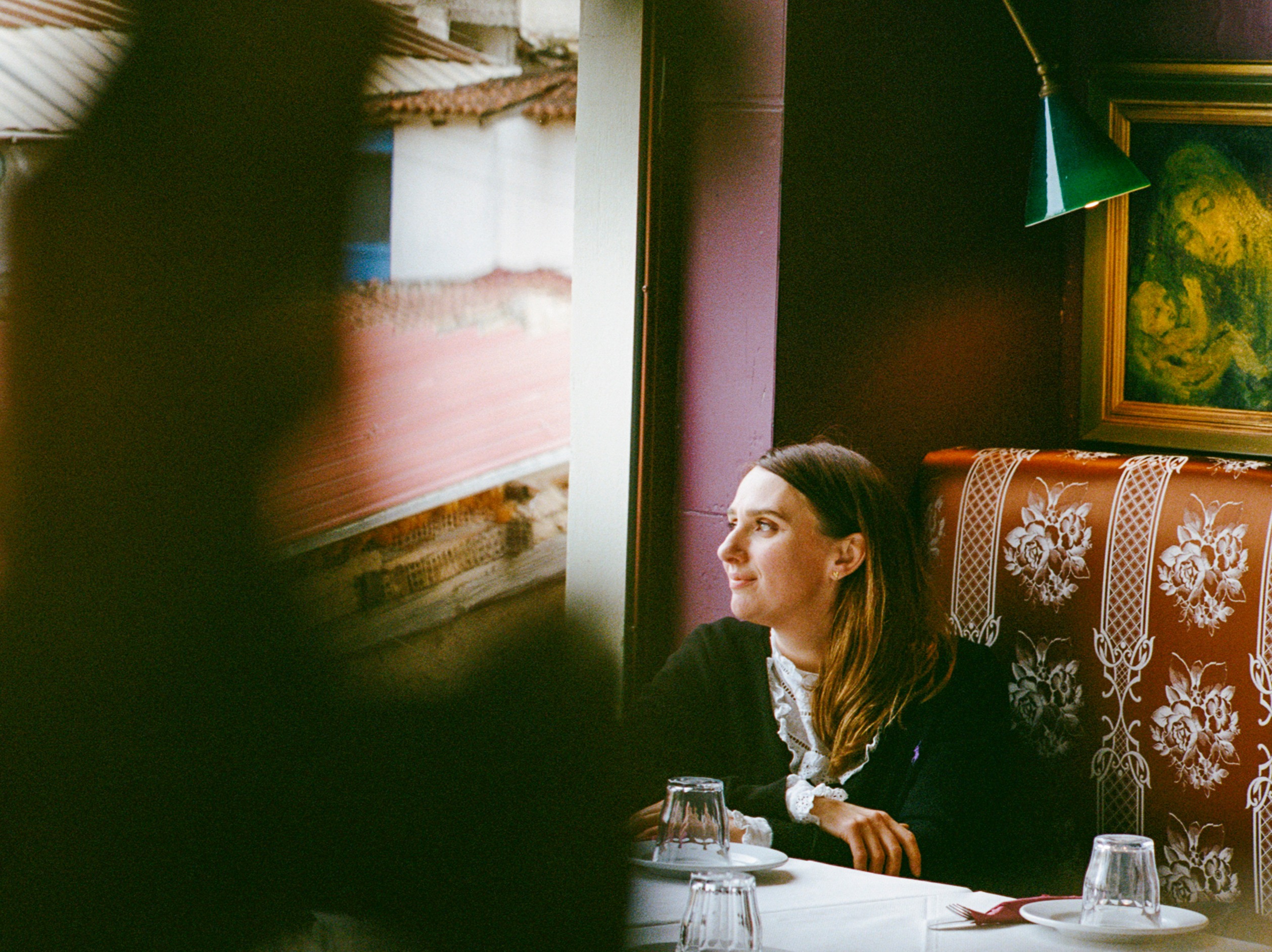
JR: I first came to Athens in 2005. I remember the feeling more than I remember the actual streets. I was walking up to the Acropolis, looking down at the city, and I wrote a poem. I still remember this line: “I’m broken, but I don’t need fixing.” When I landed this time around, I was surprised of how busy Athens was. Upon arrival, I was welcomed by a hailstorm! And after, this incredible light… When I entered Shila, it felt like a beautiful oasis. I could not leave the room. I was really inspired again, and I probably took thousands of pictures.

ES: You stayed at Mona few days later, as well. How did you find the transition between the two?  

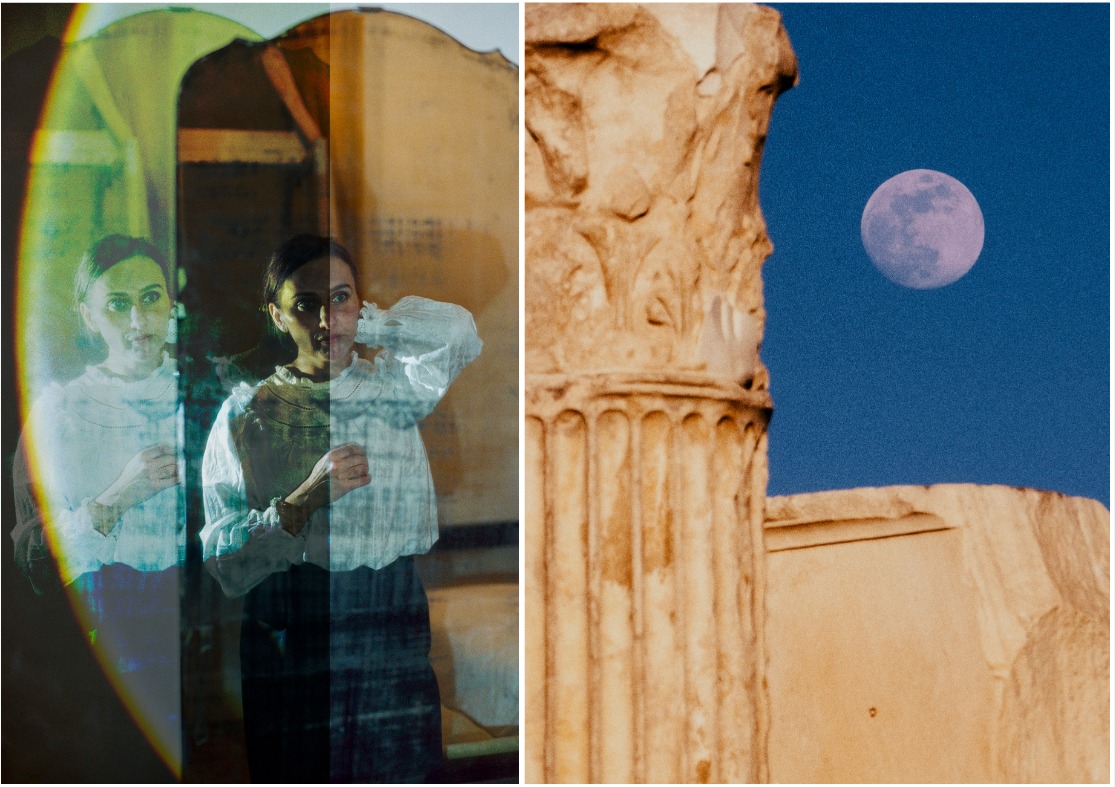
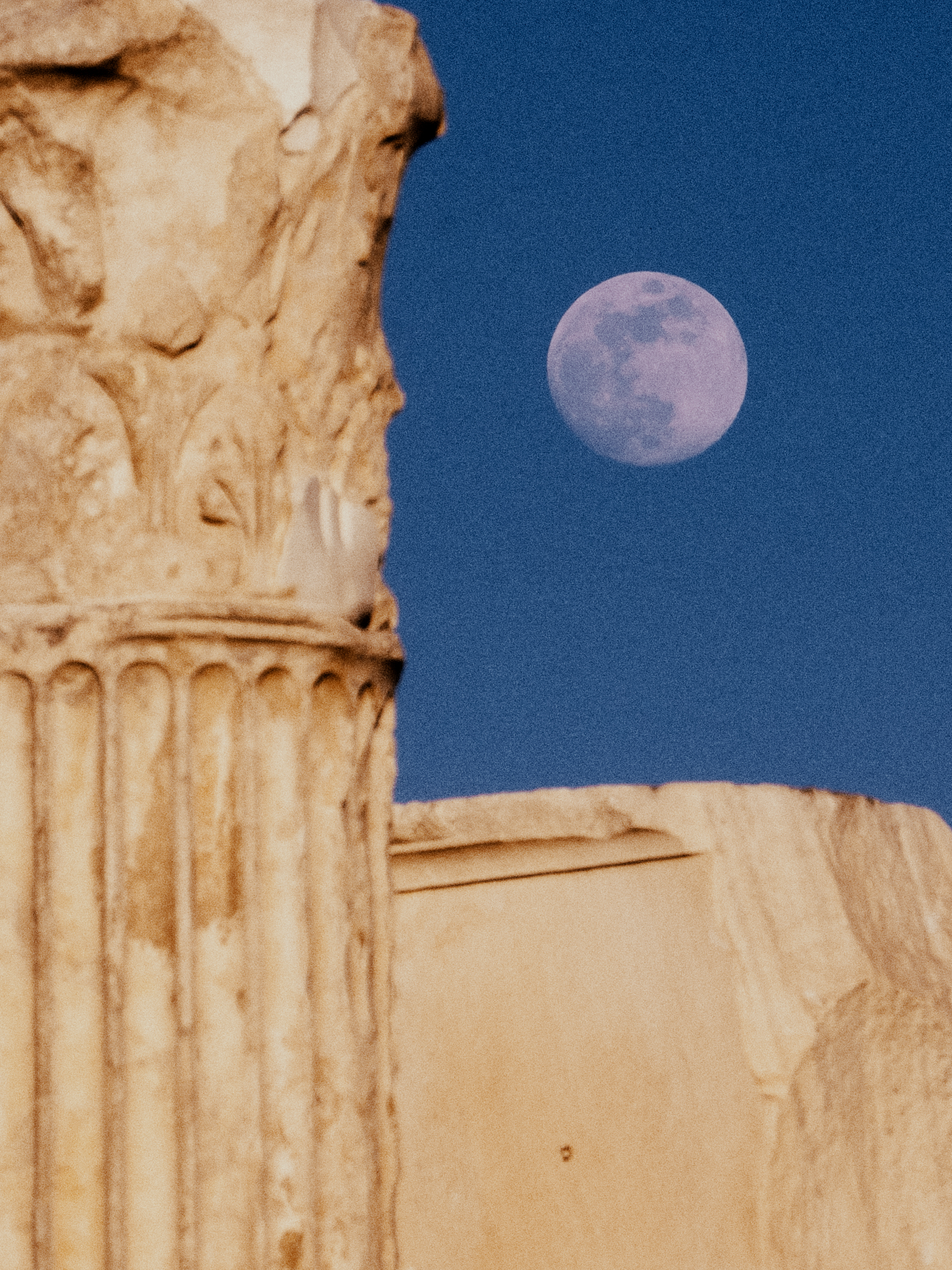
JR: Mona is incredible in a different way, almost like a spa retreat. I don’t think I could ever run out of things to photograph there. Even if I was stuck in one room. This morning, the light was so beautiful that I went straight to taking pictures. The day I went up the hill for the sunset, I was so lucky. There was a full moon. It was perfect.


When I entered Shila, it felt like a beautiful oasis. I could not leave the room. I was really inspired again, and I probably took thousands of pictures.


photography EFTIHIA STEFANIDI

photography EFTIHIA STEFANIDI
ES: When did you start taking pictures? 

JR: When I was a teenager, my dad brought me a camera from Japan. I thought it was so cool to have a digital camera, to take instant snapshots.

ES: Was your father a creative person? 

JR: He still is. He’s a theatre director. I grew up in theatres, behind the scenes. My brother was also creative. He moved to Australia and started photographing there. He used to send us pictures he shot on film. Conceptual pictures. I thought, my brother is amazing, and I guess I was inspired by him doing it. And with time, I just felt I needed to do it too. The more time passed, the more I thought I’d rather do photography than anything else. 

ES: What were your subjects in the beginning? 

JR: I was prone to naval-gazing. I think, as teenage girls, we can be preoccupied with our bodies, our image. We’re actually paranoid about our image! As we grow, documentation becomes a way of observing and making sense of that.

ES: How did your practice evolve to what is today? Do you hold memories from that trajectory?

JR: A lot of my life is a bit of a blur. I don’t know how to explain it. Some memories I probably don’t want to remember. There was a lot of time wasted with the wrong people. Then I moved to England, where I met the love of my life. We had kids, and now I just feel like a mum. That’s all I wanted to be. Ultimately, it’s difficult for me to talk about myself. I feel I can’t express myself well with words anymore. I used to be a massive reader, but at the moment I can’t focus on anything. I guess it has to do with technology, and how much I feel pressured to prove myself. If I’m not online, it’s as if I don’t really exist. But I try not to lean into that feeling. I don’t have the time. I also have a part-time job, working for a charity organization that helps the homeless. It’s important to me, considering the current climate in London.

“There was a lot of time wasted with the wrong people. Then I moved to England, where I met the love of my life. We had kids, and now I just feel like a mum. That’s all I wanted to be.

photography EFTIHIA STEFANIDI

photography EFTIHIA STEFANIDI
ES: What was it like moving to London? 

JR: I moved to London when I was in my early 20s. When you’re young, and you’re accepted in a way, it’s amazing. There’s all this art available to you, all these people. But being a young person in London is one thing. Raising a family in London is a whole other. It’s a bit bittersweet. This is where I live and it’s kind of my home, but it’s not. I’ve always felt like I was uprooted, like a plant put in a pot. And I love Lithuania, but it is also not where I live and I’m not used to it anymore either. I guess that duality between the Western world I live in and the inner world of my childhood shows up in my work.

ES: Tell me about Lithuania.

JR: Lithuanians are nature people. When I was growing up, my summers were spent in the village by the lake, or by the sea. I knew the name of every plant, every tree – what could heal you, what was harmful. Even the name of the grass. It was hard, but we were connected. Before the Crusades, we were pagans. In the big cities of the Western world, people have no clue about these things. Lithuania was occupied by Russia for a long time. We didn’t travel much. Seeing someone from a different country, in my day, was basically like seeing an alien. We’ve gained our independence and people started opening up, but it takes a long time for this to heal.

ES: You carry Lithuania within you…

JR: It shaped me. And my kids always spend their summers in Lithuania. They are not scared of a frog, or a bee, or getting completely dirty, or going deep in the lake, the mud… They aren’t scared of anything. The older I get, the more I value these things. The smell of the pines. The cold sea. It’s getting stronger. Every time I go there, it’s like I cry blood. I don’t want to leave. 

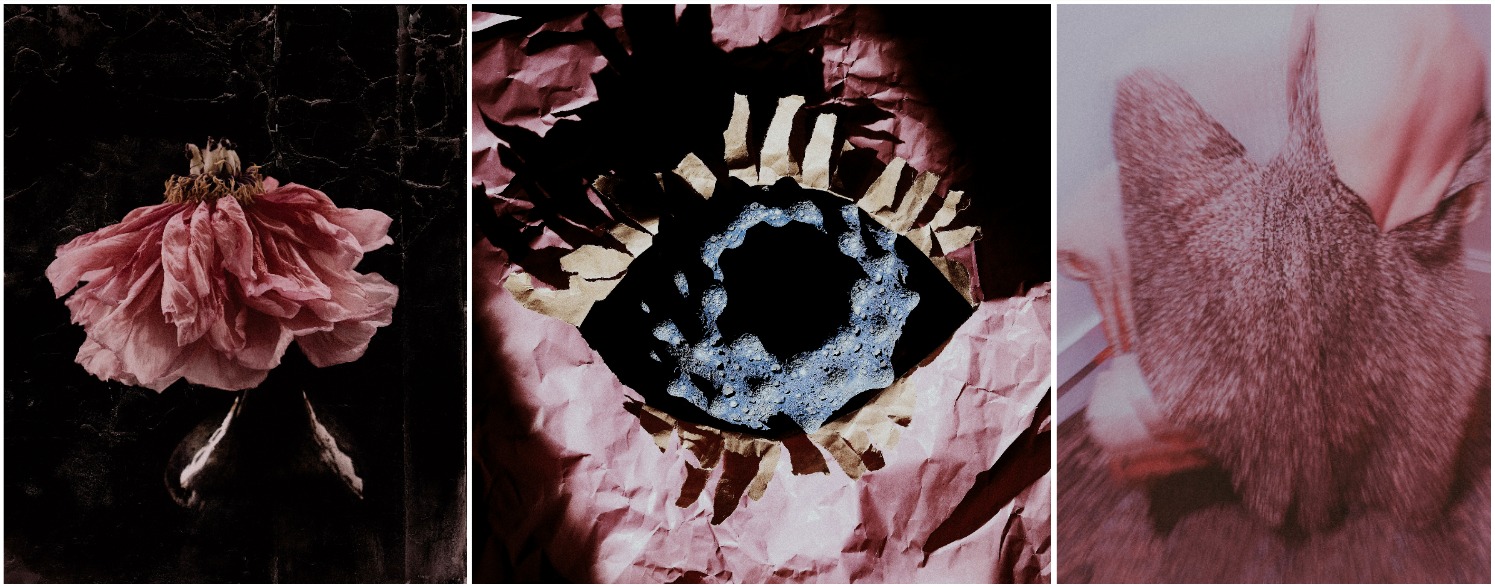
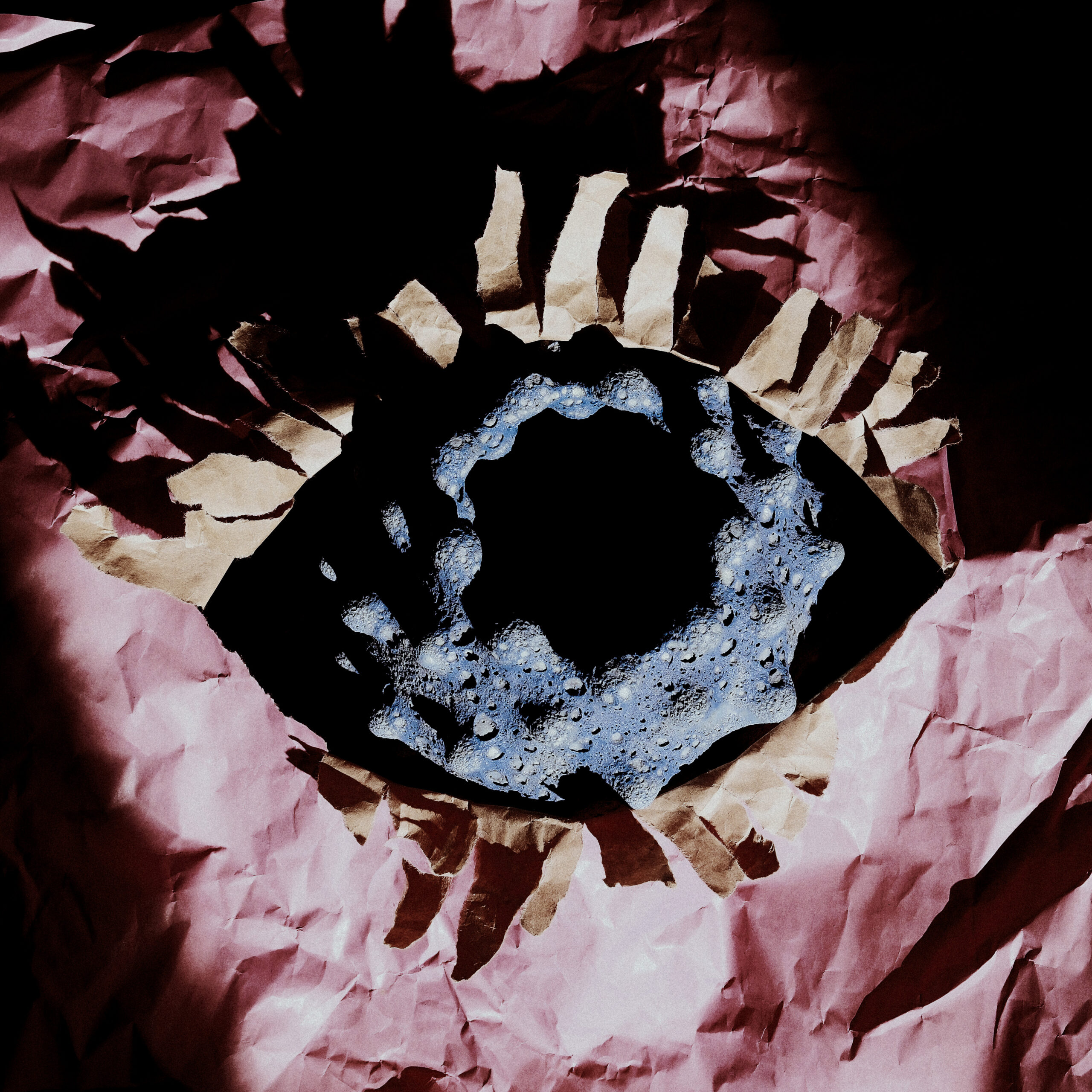
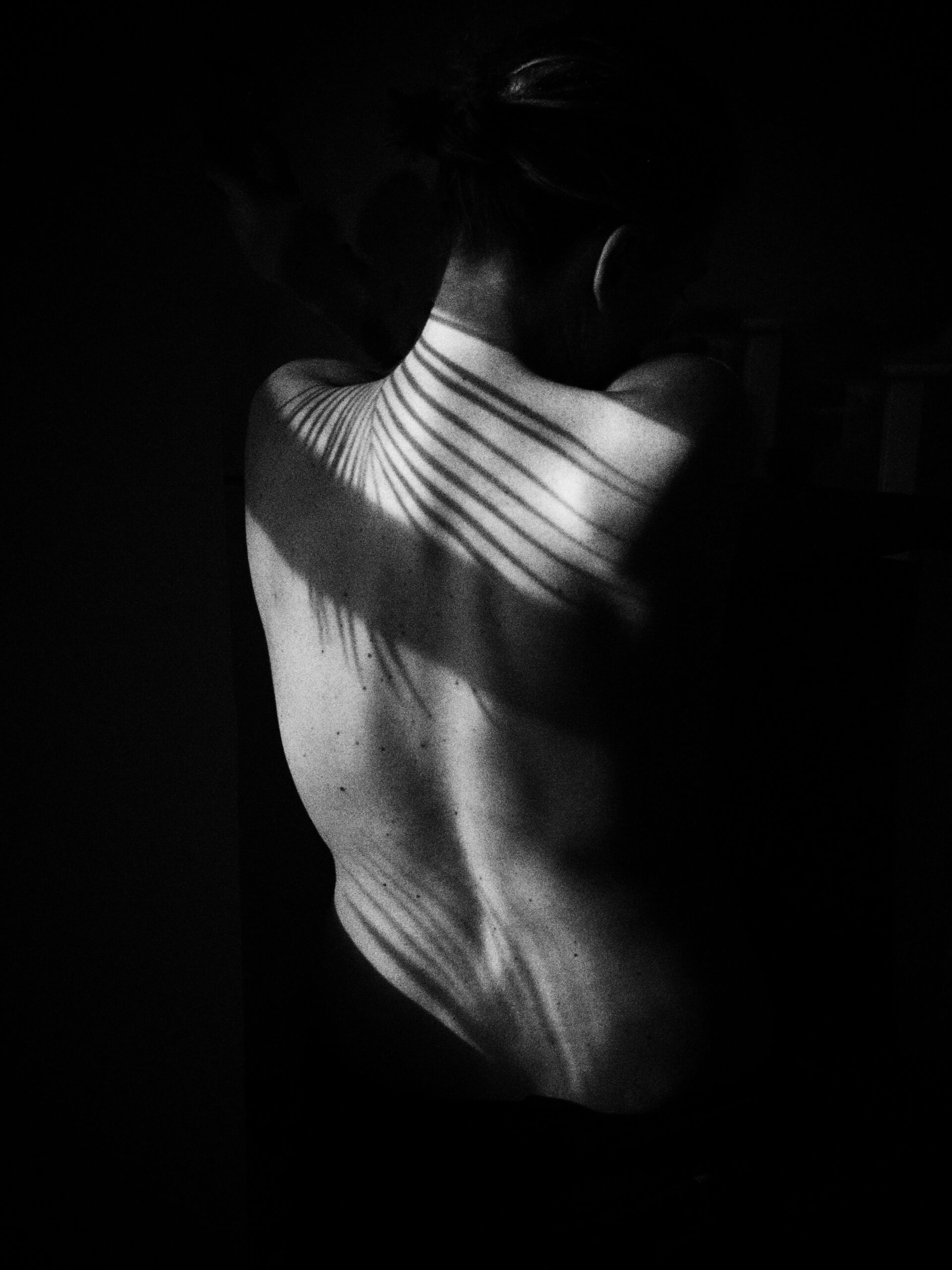
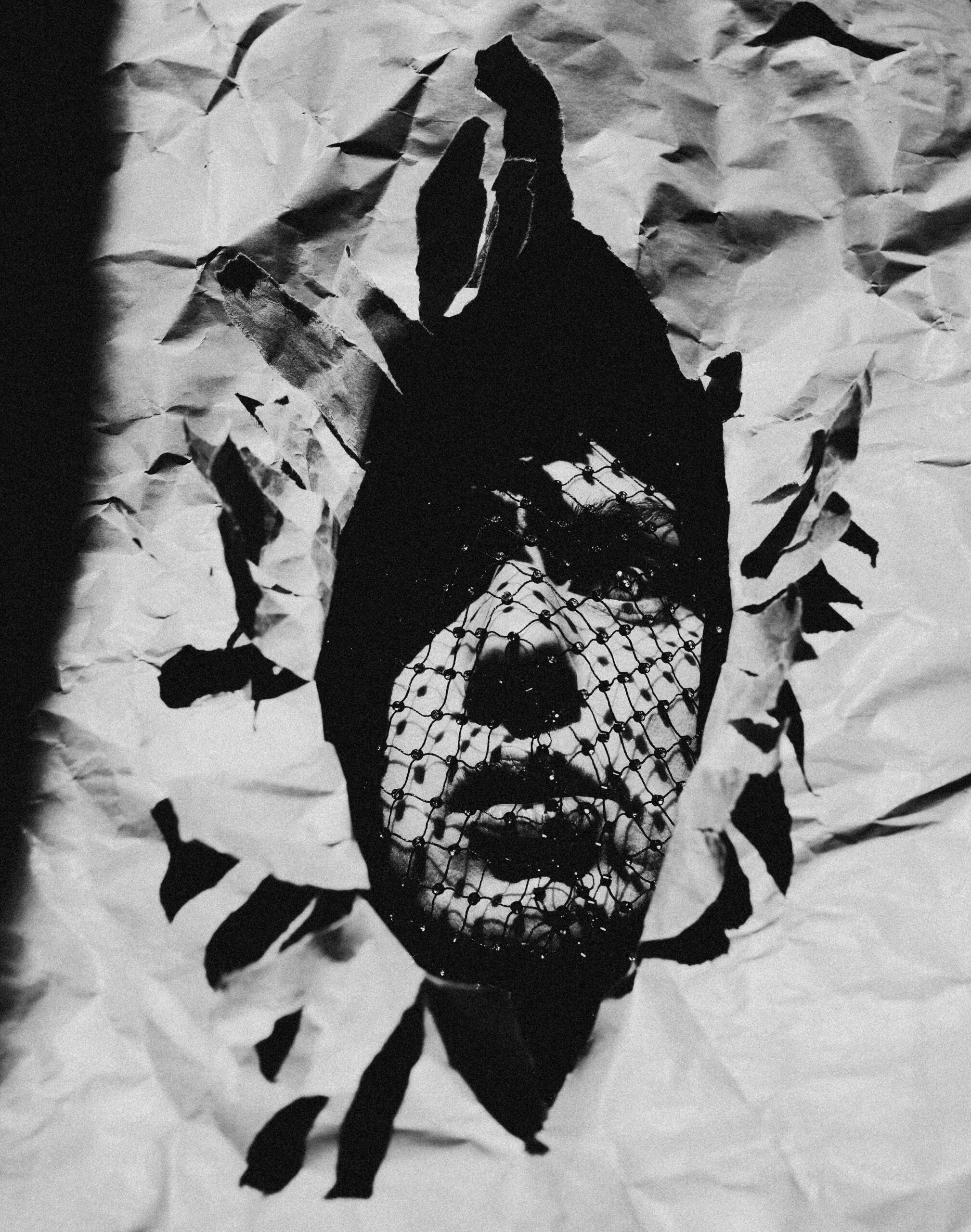
artworks JONE REED

artworks JONE REED
ES: You’ve said before that for you, photography is emotional. 

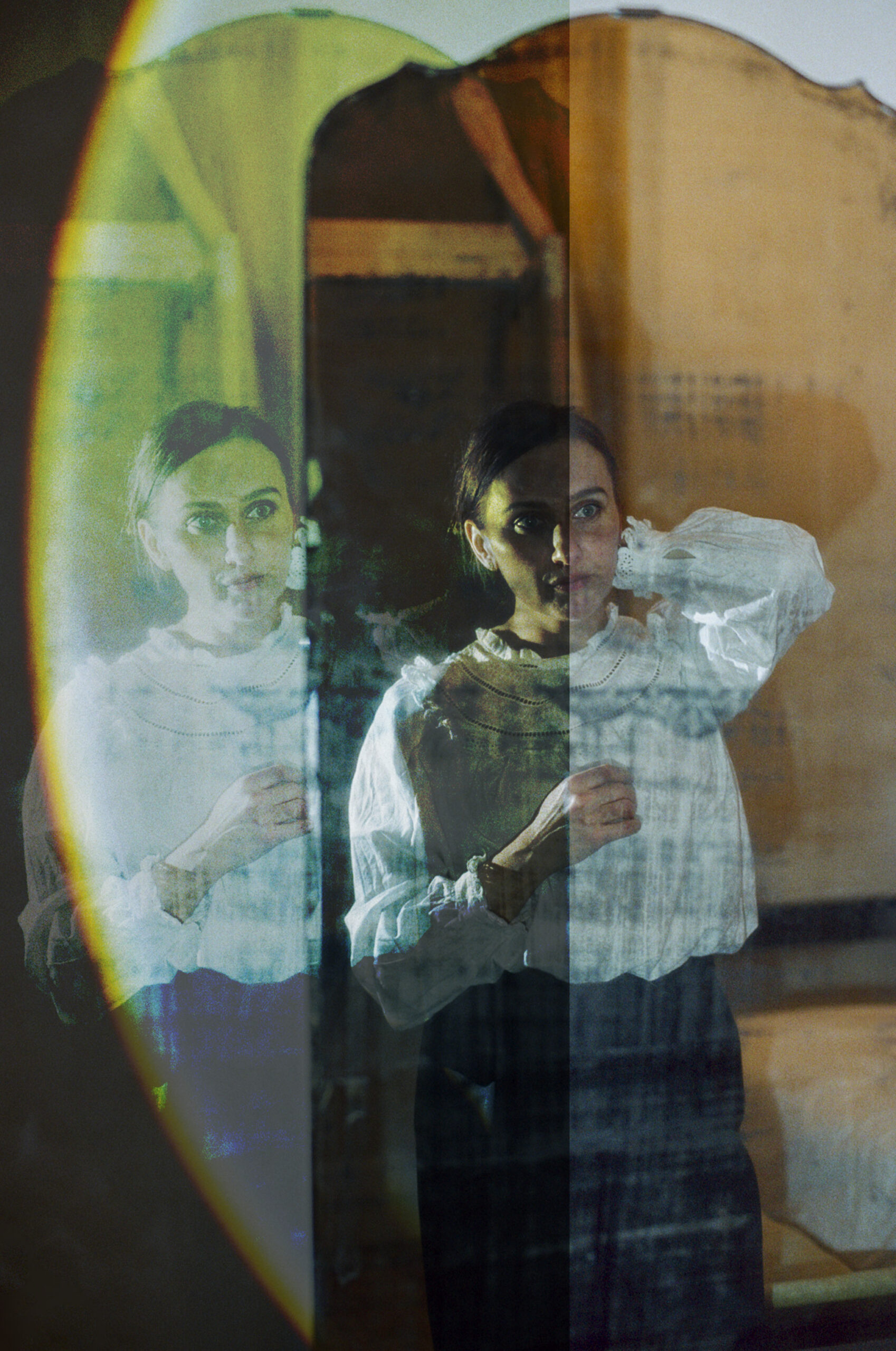
JR: It has been. I guess it was easier for me to use photography as a tool to express myself rather than go down other pathways of self-destruction – like drinking or drugs – which there was plenty of in my youth. If I don’t do something creative for a while, I don’t feel good. I need it, almost like a drug. Even on days when I try to create because I really want to, and it just doesn’t work, I have to keep doing it. I can’t imagine not doing it. Sometimes I take pictures because I feel sad. Sometimes because I feel happy. Sometimes I just need to take a picture.

ES: What does being an artist mean to you? 

JR: Being an artist –  a photographer –  is vital, life-giving. It has nothing to do with the commercial side. The most important thing is avoiding losing your sanity. Otherwise, what is life but just work, sleep, eat… It was never about money for me, and it still isn’t. All the pleasure of creation is lost when following a client’s very particular wish list.

“The older I get, the more I value other things. The smell of the pines. The cold sea. It’s getting stronger. Every time I go [to Lithuania], it’s like I cry blood. I don’t want to leave.

photography EFTIHIA STEFANIDI & artwork JONE REED
photography EFTIHIA STEFANIDI & artwork JONE REED
ES: Do we overvalue what is commercially viable?

JR: There’s a lot of that in the Western world. Nowadays, value is placed on what you produce for other people, who you rub shoulders with, which brands you work for. I find it hard to connect with that.

ES: What have you learned over the years doing what you love?

JR: If I could give one piece of advice to the younger generations, and artists, it would be this: don’t live on your phone. Social media is a drug – hence why we we’re called “users”. If you disengage from it for a few days, you forget about that societal pressure. You don’t see what other people are doing or what you think you have to produce. Let’s go back to basics. Otherwise we will be completely unable to engage meaningfully anymore. 

ES: You have been photographing your children since they were young.

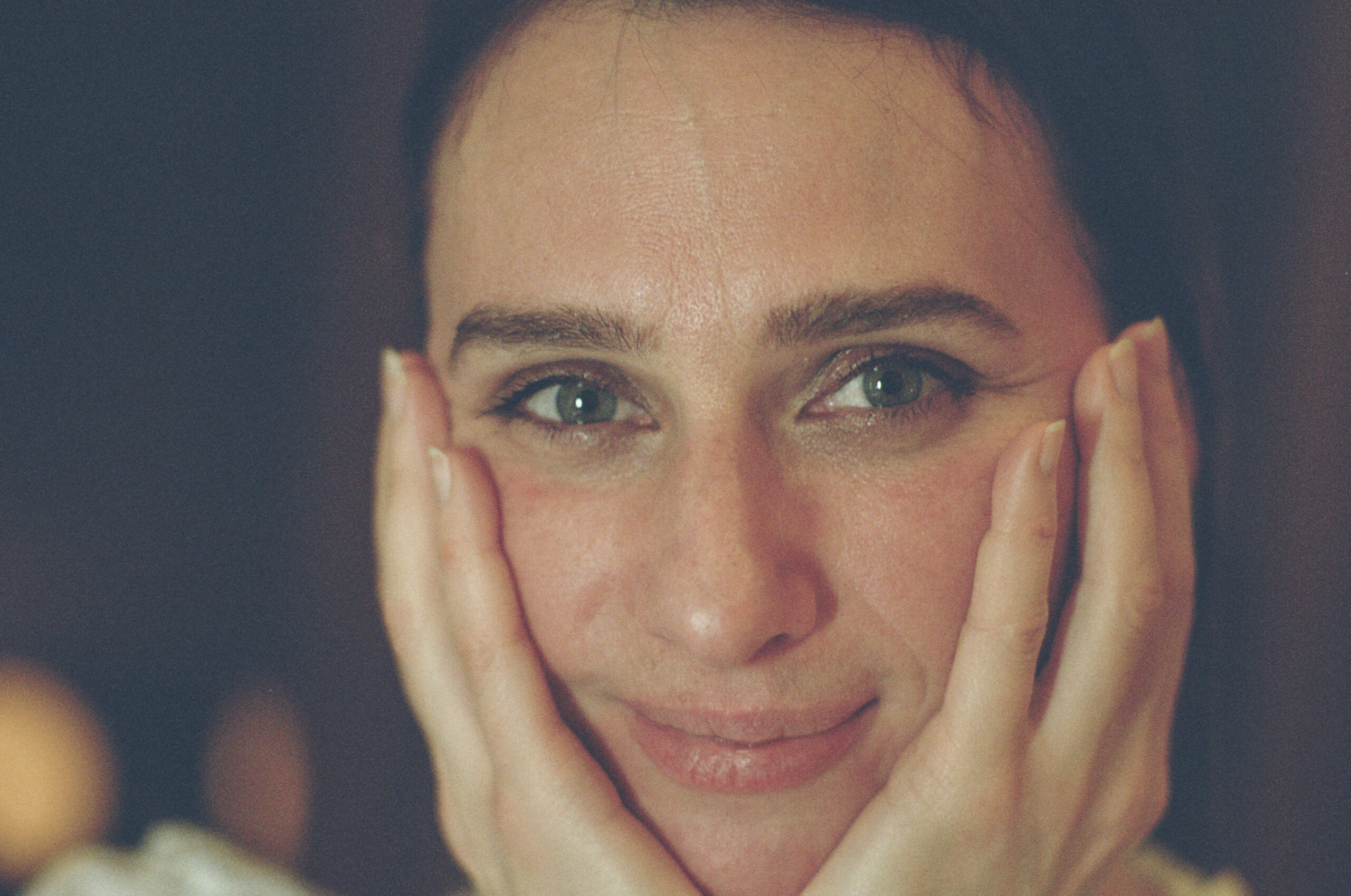
JR: I didn’t consciously decide to photograph my kids – there are plenty of wonderful motherhood photographers who do that perfectly well. I just love the look of them. I don’t document their day-to-day, but I do aim to capture a glimpse of who they are, essentially, as people. I want them to see themselves as I see them.

ES: Do they respond to your work?

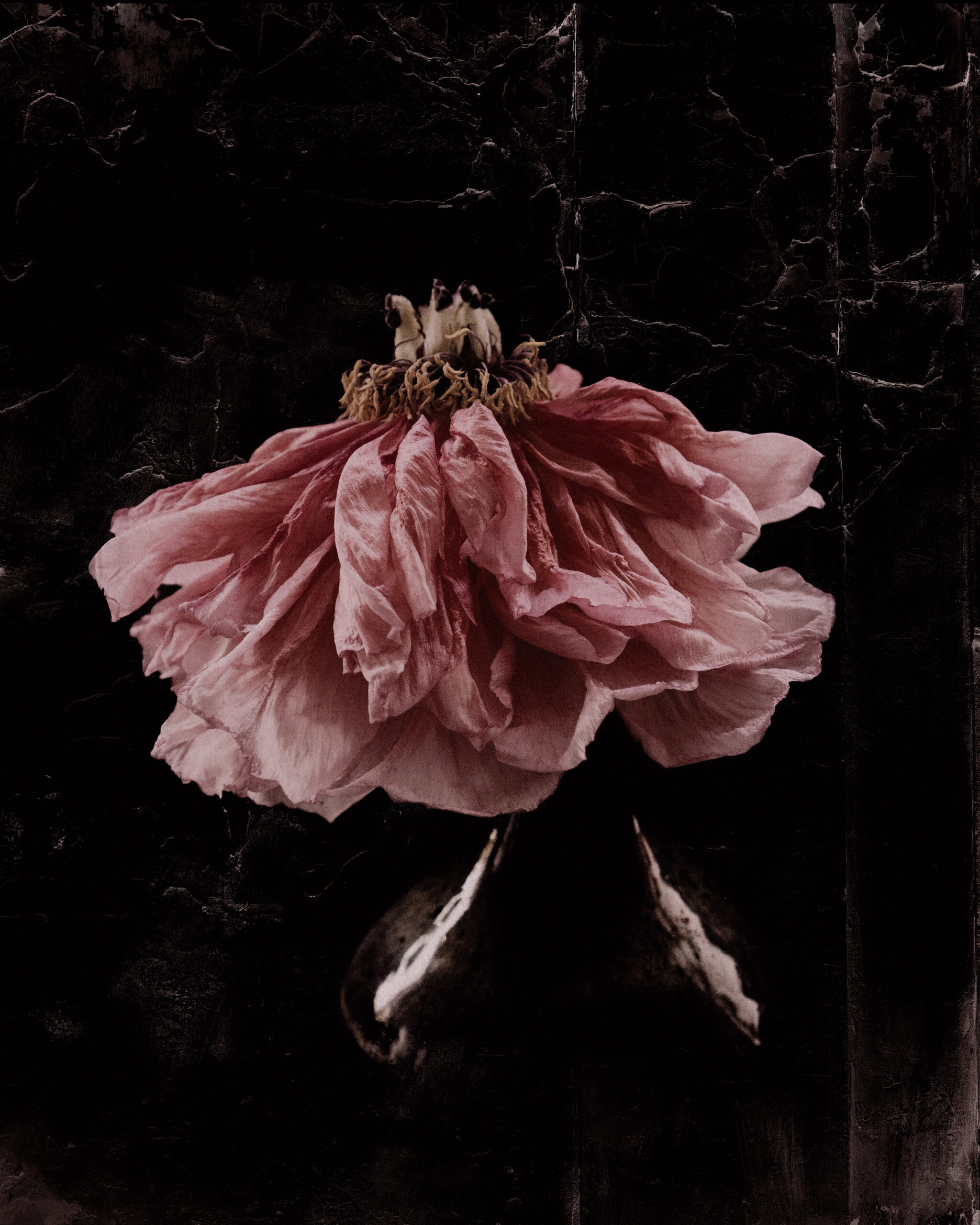
JR: My son is very into my photography. He has a very sensitive soul and says things like, ‘Mum, I love this picture because the flower looks like a dancer.’ What I really want from making art is for my kids, when they’re older, to look back at the pictures and think their mum actually took some cool photos.

ES: You were taking pictures before you became a mother. Did you change as a person – and as an artist – since having your children? 

JR: I don’t think I’ve changed as an artist – my responsibilities have. The idea of being this photographer-artist has changed. It just became more fun and playful. When my daughter Simone was a baby, we took some pretty funny pictures. It was just the two of us at home and I had so much time. 

“[AI will do many things]. But to think philosophically, to be curious – that’s what we’re going to need.

artworks JONE REED

artworks JONE REED
ES: Do you shoot digital or film?

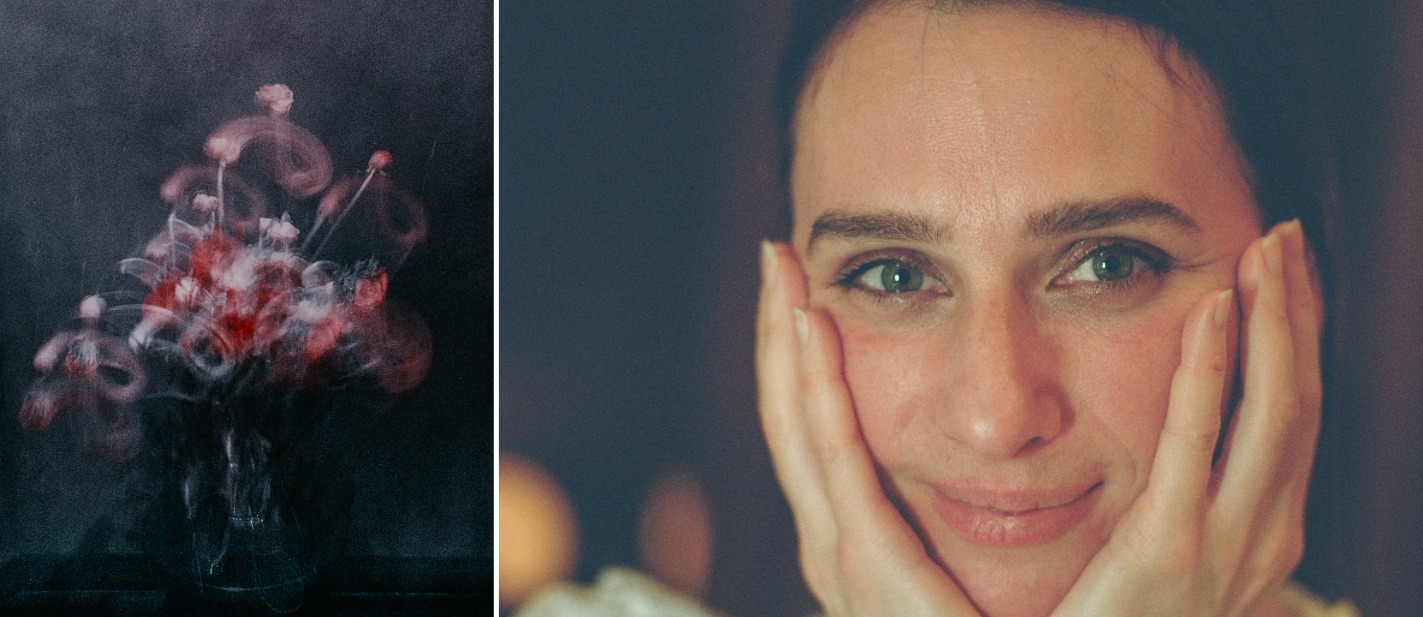
JR: Life with kids can be fast-paced, so most of those pictures are digital. Now that the kids are older, I’m able to pause a little. My friend gave me a film camera, which I’m exploring. That said, I don’t really put much emphasis on these things at all. I love all photographic styles. Except AI. 

ES: What do you make of AI?

JR: I think people will get tired of it. People will want to go back to an authentic feeling, an authentic emotion. Everything has its cycle. 

ES: Are you worried about how AI affects the new generation, including children? 

JR: When it comes to crafts and jobs, I am. A lot of graduates can’t find a job nowadays because AI is doing what they studied for years to do. It’s heartbreaking. My daughter is doing her A levels, and I was really pleased that she chose psychology and philosophy. We need these people. You could be a web designer or developer, but you don’t need to be. AI will do that. But to think philosophically, to be curious – that’s what we’re going to need. Nothing can replace it.

artwork JONE REED & photography EFTIHIA STEFANIDI
artwork JONE REED & photography EFTIHIA STEFANIDI
ES: What do you first notice when you go somewhere new? 

JR: Photographically, you can’t really get a sense of a place while you’re in it. You need to sit down and spend some time with it afterwards. For the first three days anywhere, I’m completely turned around – it happens wherever I go.

ES: How much planning goes into your photography?

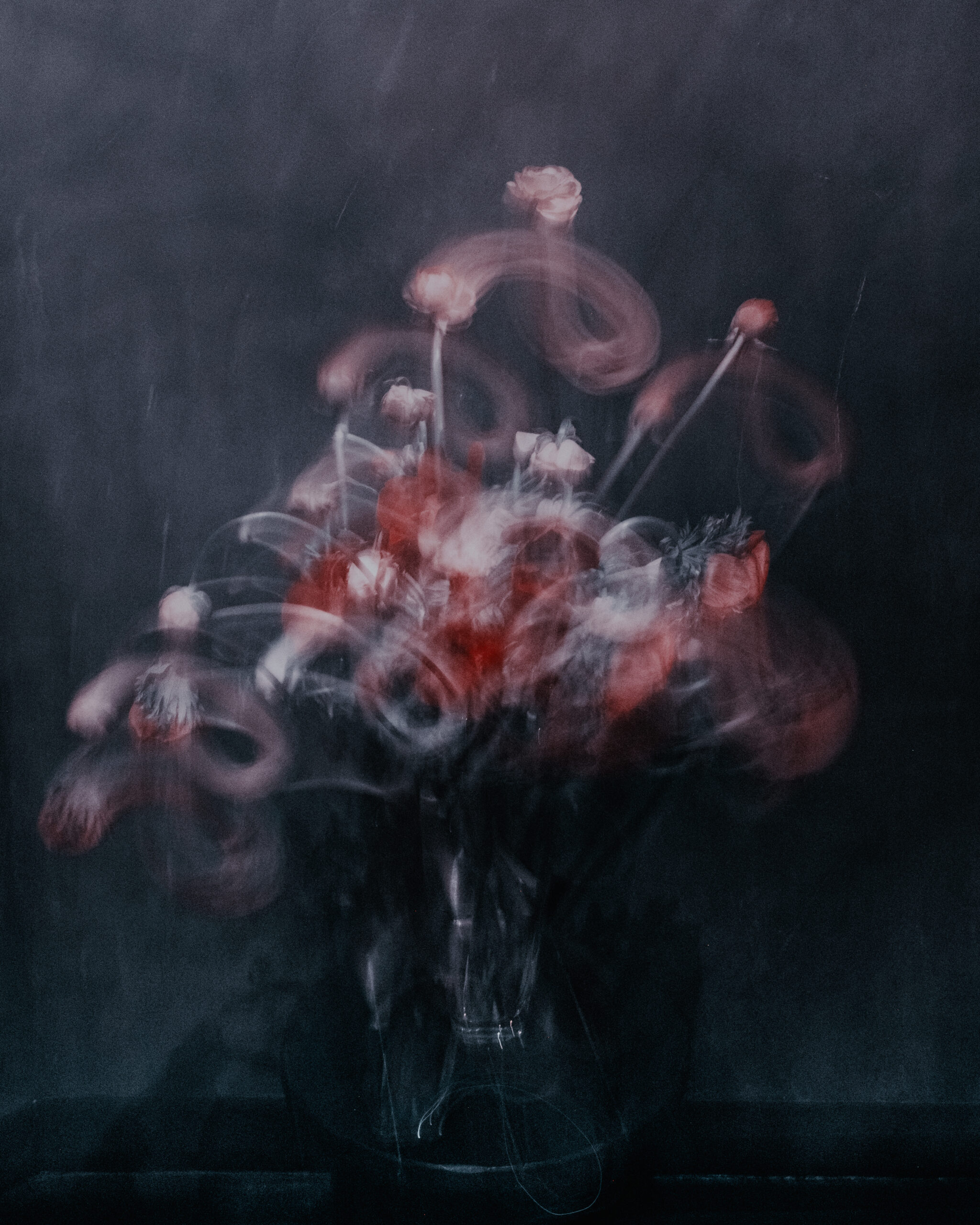
JR: Planning is not how my mind works. Everything I choose to shoot is about giving myself permission in the moment. Even if I do plan something, it never works out the way I envision it. It always takes me in a different direction. Even if it’s the same picture over and over – a shadow on the wall – you can always find something new. I never get bored of light and what it gives me. Like yesterday. I was walking around quite a derelict area in Athens and saw two pigeons together on a balcony. I spent 15 minutes observing them. They reminded me of me and my husband. 

ES: Tell me about your relationship with your husband.

JR: When my husband and I first met, we were both incredibly poor. We used to use vouchers for toothpaste. But it really didn’t matter. All that mattered was that we were together. And it felt amazing. Those pigeons yesterday looked so in love. It didn’t matter what was around them, how or where they were living, whether they were rich or poor, love was sustaining them. I know it’s silly and they’re just pigeons, but they really spoke to me. Once I’d finished shooting them, they flew away and I felt so lucky that I’d stumbled upon them on that derelict balcony. I never stop to look at pigeons in London.

“I never get bored of light and what it gives me.

artworks JONE REED

artworks JONE REED


ES: How would you define love? 

JR: I think you know it once you find it. There’s longing. You have to be together, and it has to be mutual. If one is longing and the other isn’t, it’s not love but a sort of lust or infatuation.  There’s a different love that comes with having a child – probably the greatest love. The deepest. Priorities change. You’re no longer just frolicking around holding hands; but you have a priority, and with that (hopefully) comes deep appreciation, respect… We are incredibly lucky to have Simone. And we knew that, if possible, we would want another child.  Of course, life isn’t perfect all the time. It takes work. But we find each other again, and keep finding each other. 

MORE FEATURES

SUBSCRIBE        CONTACT        SPOTIFY        INSTAGRAM