air
“Mystery matters to me. Social media has stripped a lot of that away.”
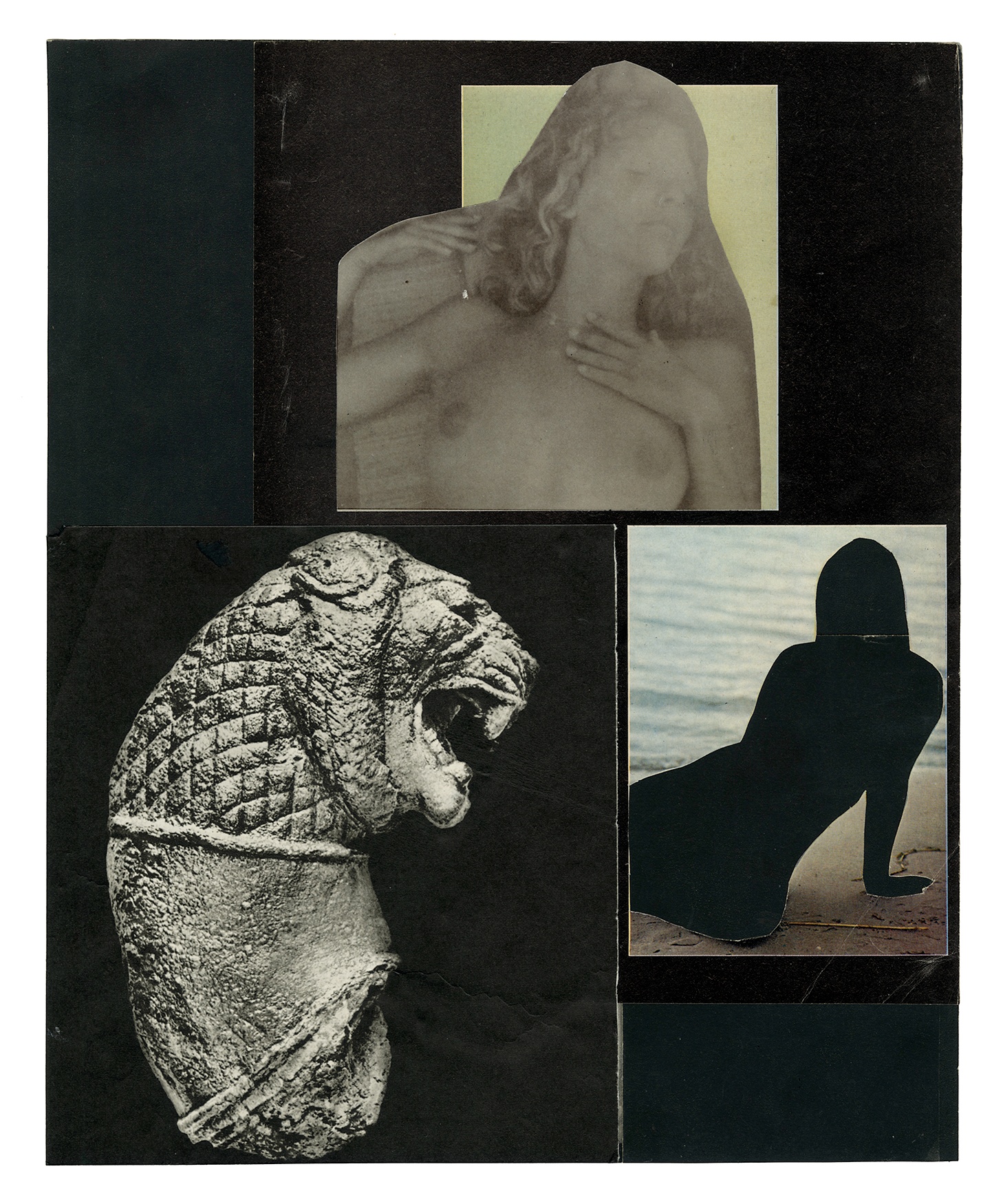
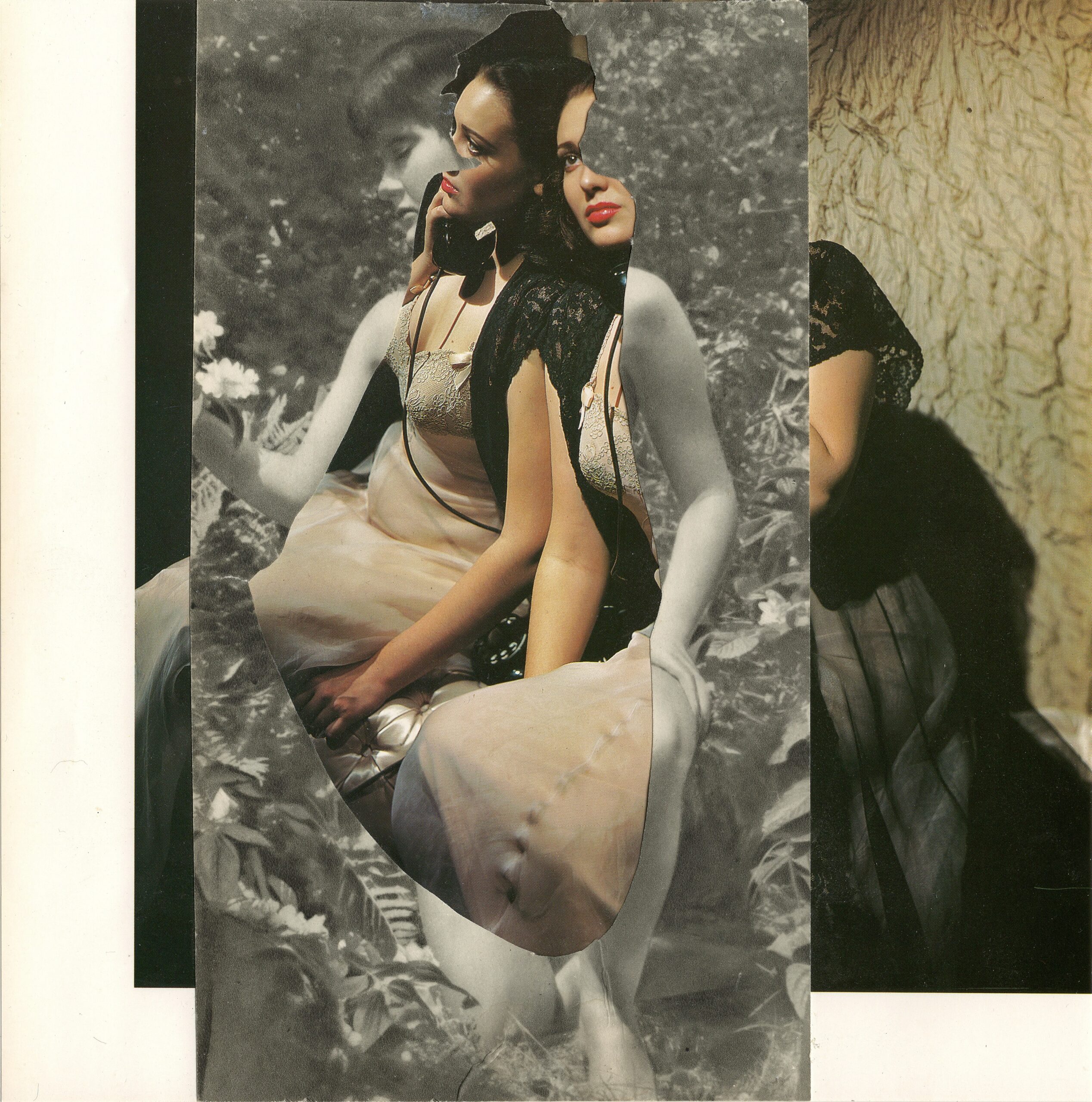
Newcastle-raised artist James Springall arrived at collage through curiosity and an innate hunger for a more tactile way of making. A pile of old magazines, given to him by a friend moving house, became the beginning of a practice that would evolve into his primary medium for expression.
Entirely self-taught, Springall has built a deliberately understated body of work guided by instinct and the serendipity of found materials. His collages are immediate and uncluttered, drawn from analogue sources and shaped by an eye for the unexpectedly resonant. He now lives and works in the English countryside.
This conversation took place during his first visit to Athens, over several sittings between Mona and Shila during his week-long residency.
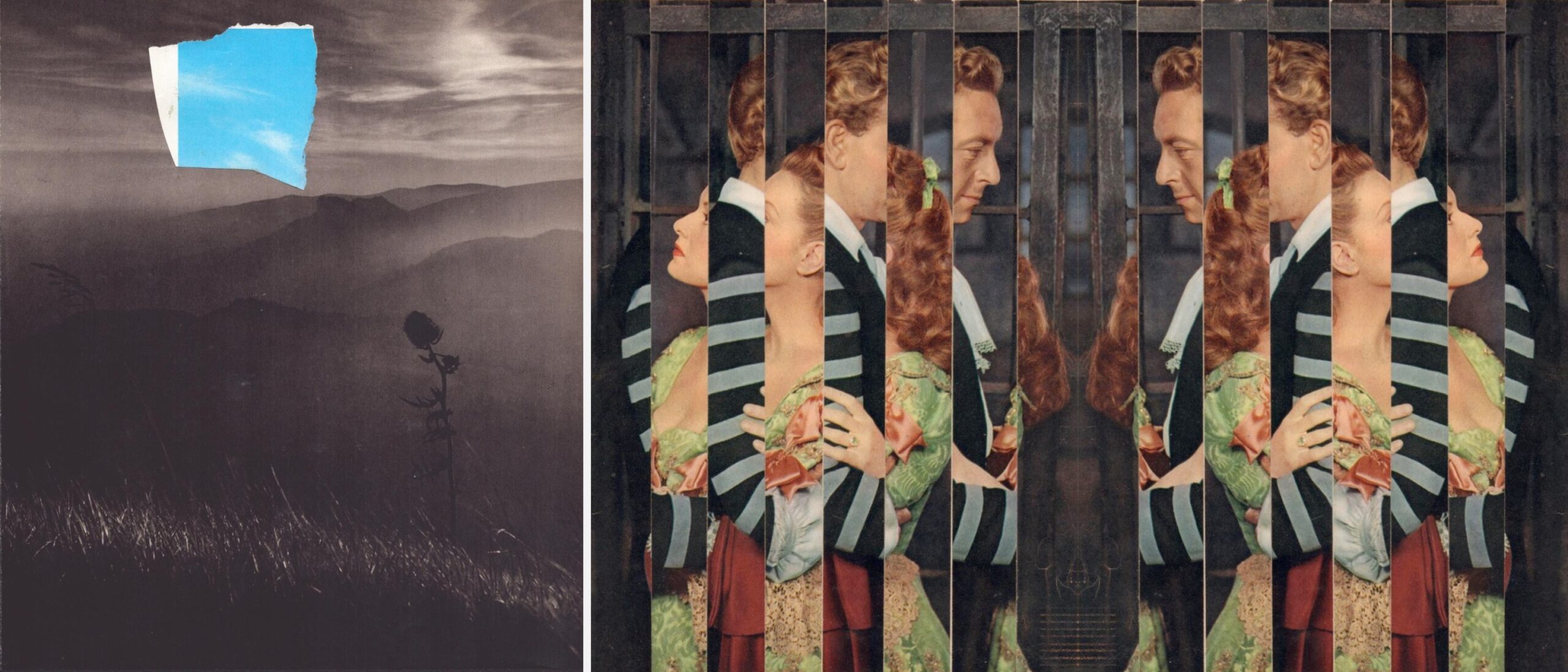
artworks by JAMES SPRINGALL
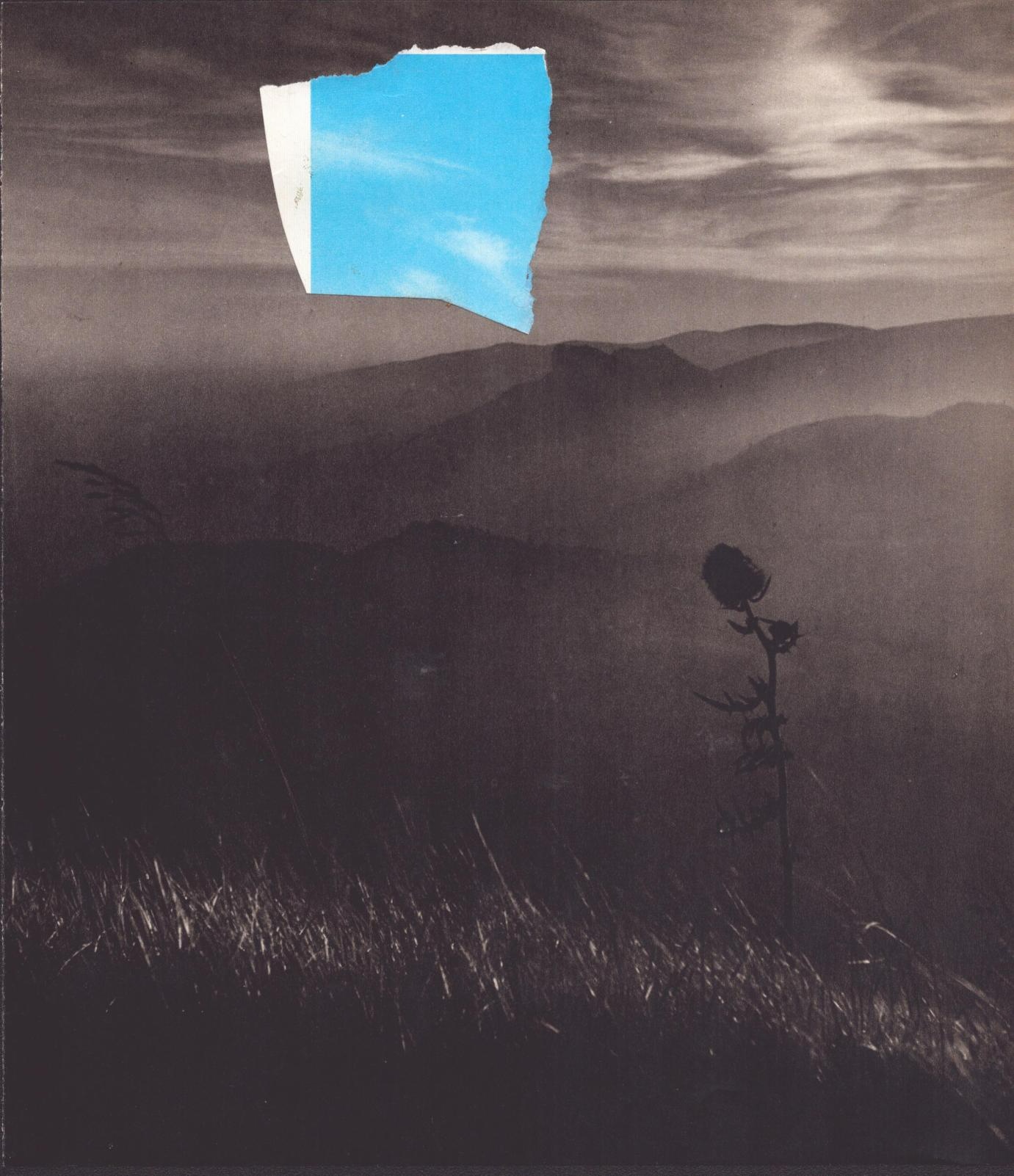
artwork by JAMES SPRINGALL
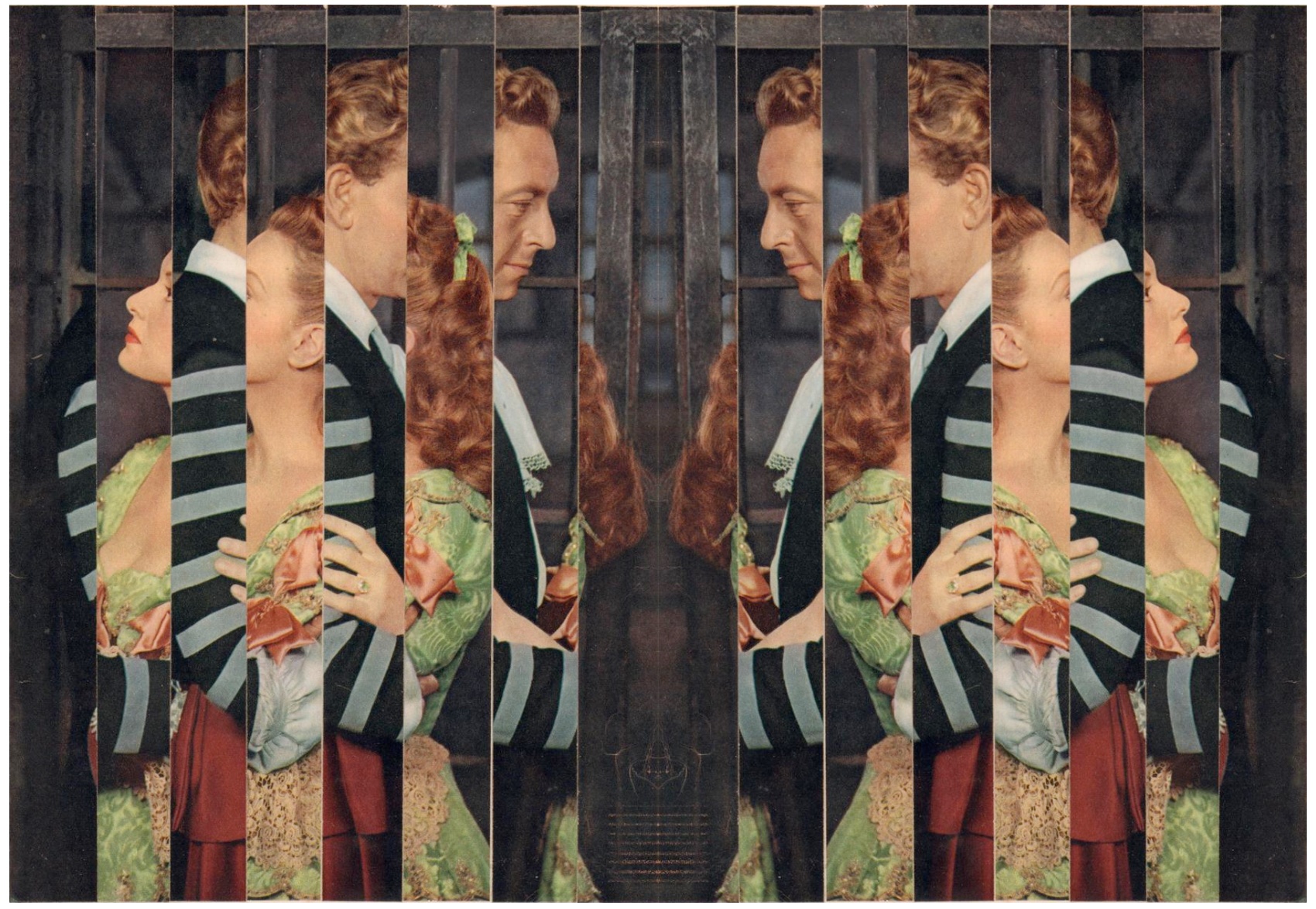
artwork by JAMES SPRINGALL
ES: And you went straight from studying into work?
JS: Yes. I went straight into a job in an advertising agency in Knightsbridge (of all places!). You’re in your 20s, there’s a lot to explore, an enormous number of new experiences. But at some point, doing commercial creative work wasn’t quite enough. I started to feel a need for something else. Once I’d found my feet financially, I had the space to look.
ES: How did you arrive at collage?
JS: I wanted to do something that didn’t involve computers, something I could do with my hands. I was drawn to old images, their patina and the feeling of time embedded in them. It was also the beginning of the digital age and the increasing digitization of everything. I think making collages was, in part, a reaction to all of that. There wasn’t any grand plan behind it, though. I just felt I needed to express myself and collage felt like the right medium for that.
ES: Did you have any mentors or early influences when you were starting out?
JS: I didn’t have any mentors. In terms of influences, I remember showing my work at a gallery and someone there said it was reminiscent of an American artist called Martha Rosler. They probably thought I was just doing some kind of homage to her, but I had no idea who she was! I’d always admired artists like Magritte, Matisse, Duchamp, Hockney, Warhol and Peter Blake. I then became particularly drawn to Linder’s work. She made the iconic collage for the Buzzcocks’ Orgasm Addict cover, cutting out an iron and placing it on a woman’s head. That visual disruption and social commentary appealed to me. Later, I got into the work of John Baldessari and Richard Prince, which encouraged me to believe that work can benefit from being very simple — that it doesn’t necessarily have to be intricate. That’s one of the great things about collage: its ability to convey ideas quickly.
“That’s one of the great things about collage: its ability to convey ideas quickly.”
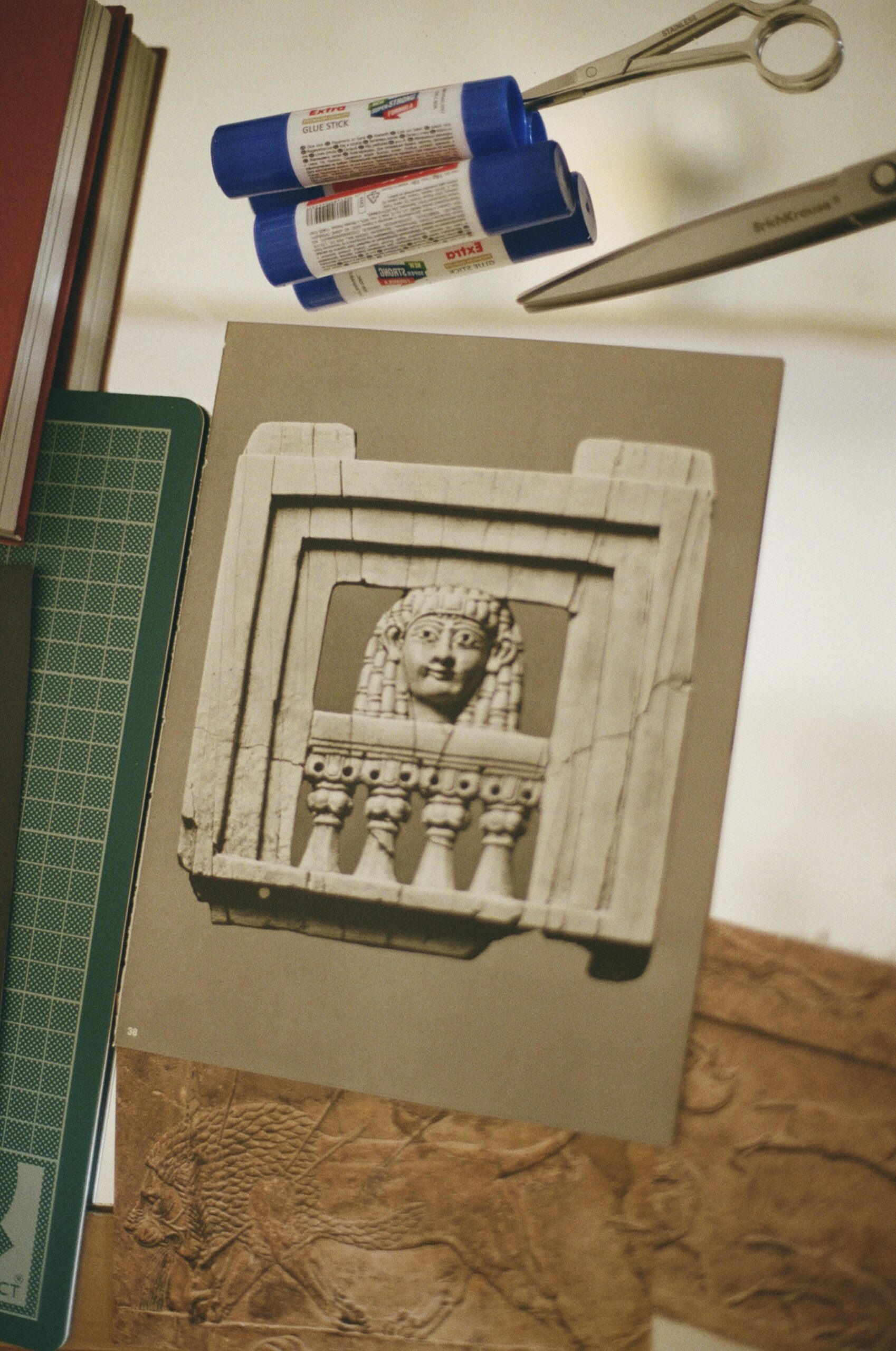
.
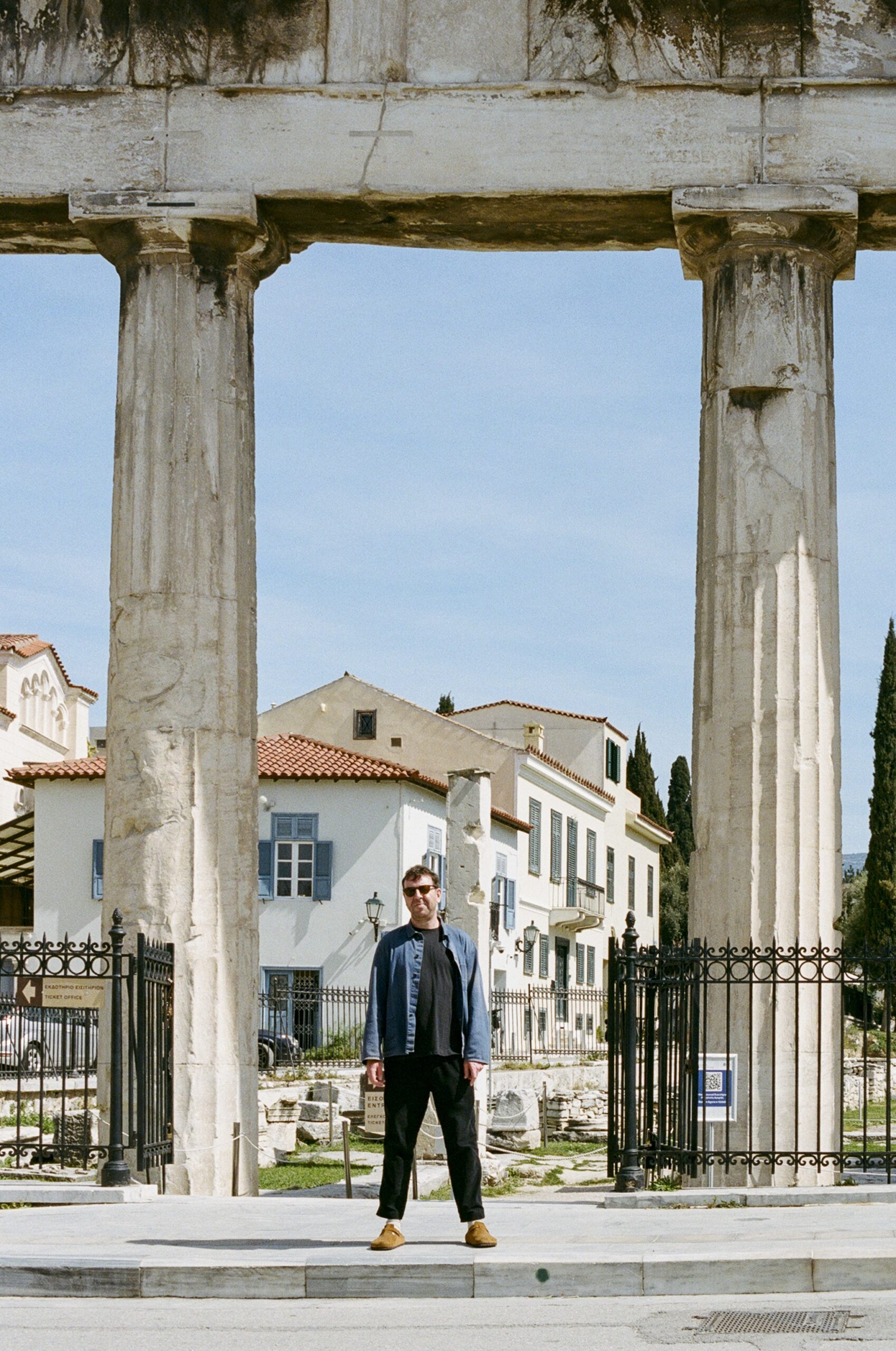
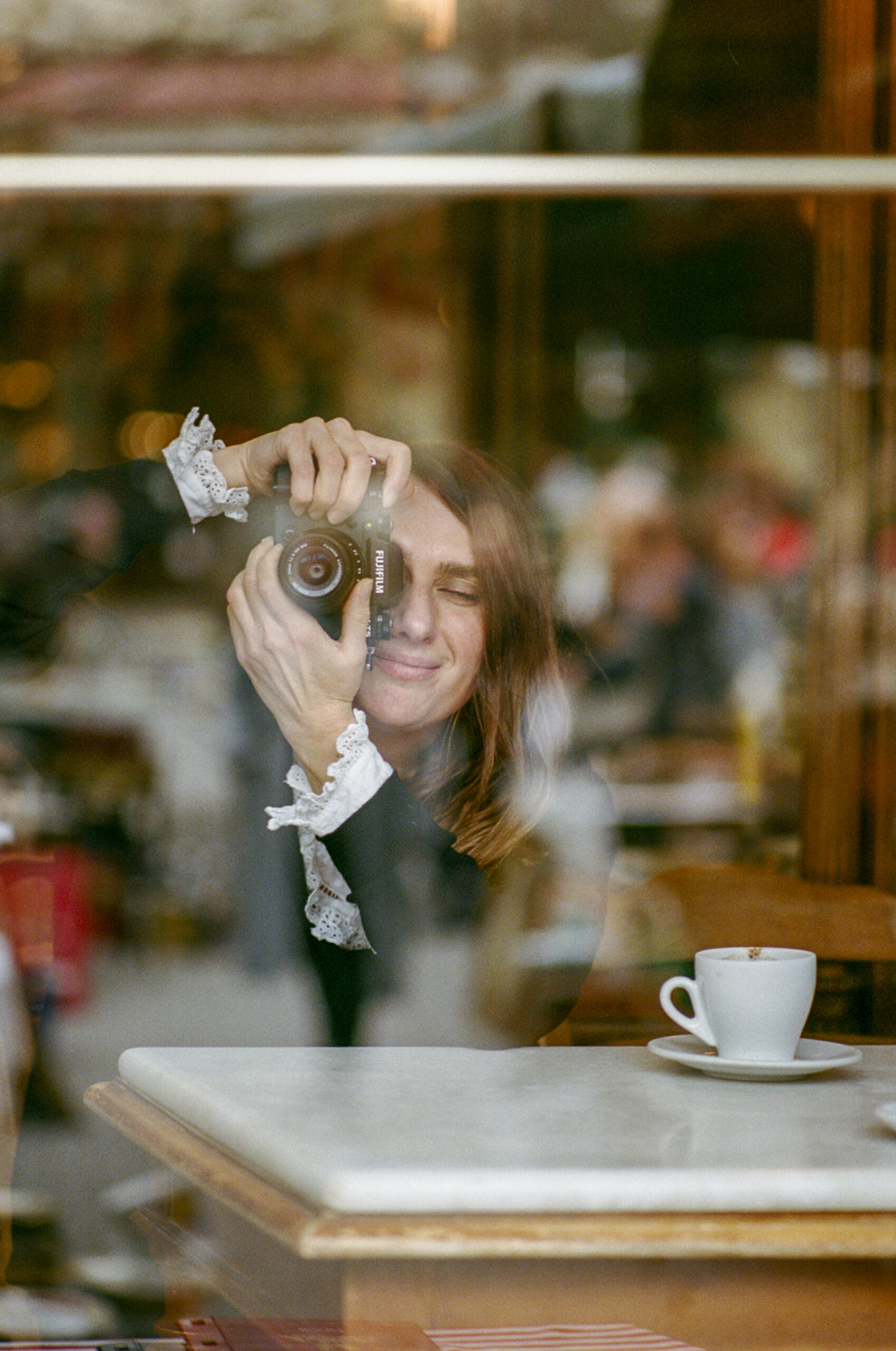
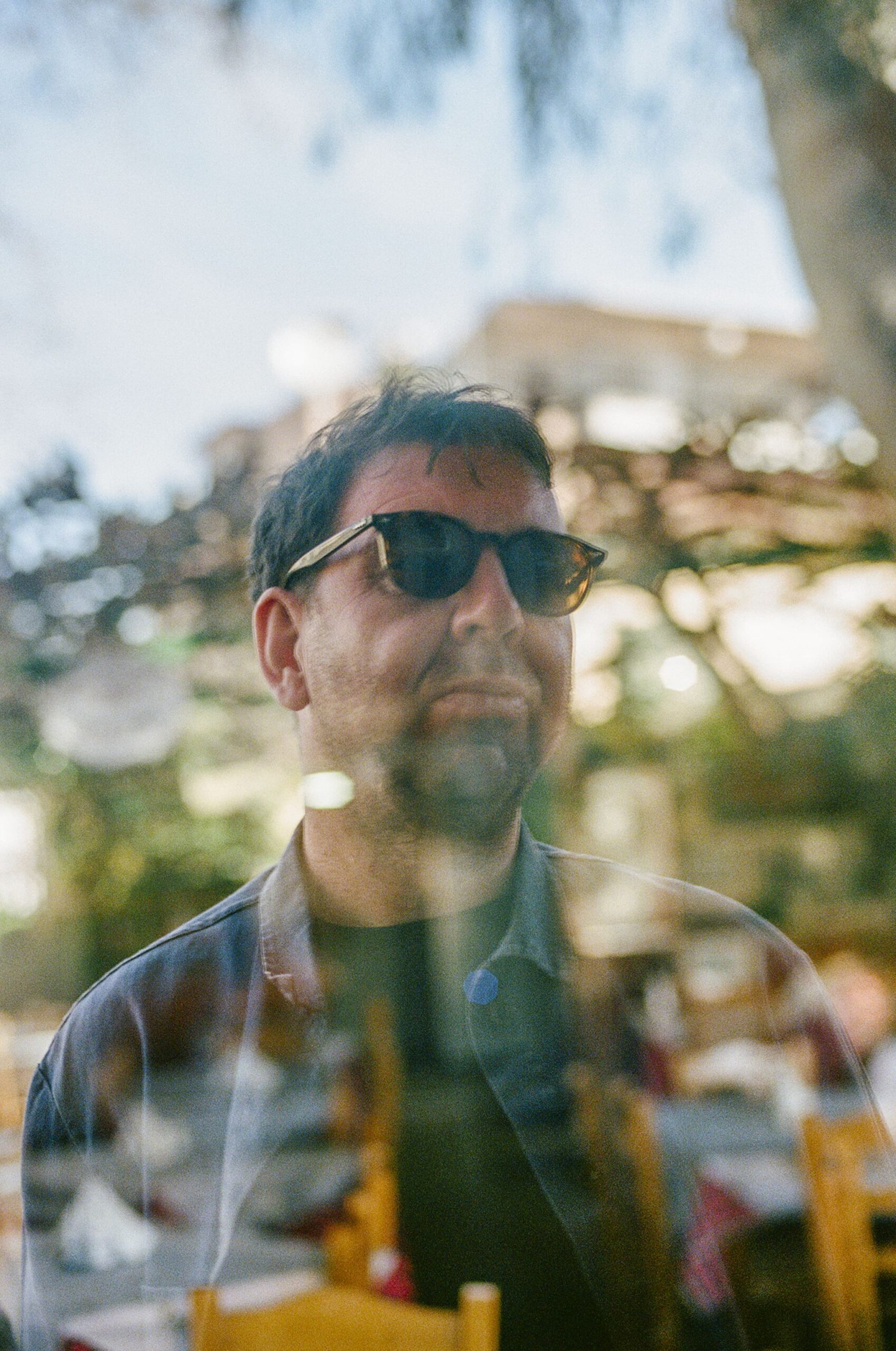
photography by EFTIHIA STEFANIDI
ES: Some of your earlier work was political, sort of social commentaries. What, in your view, is the role of art? Is it, or does it have to be, political?
JS: I think most things are political in some sense. But there are different ways to engage with that. You can make work that is very obviously political, or you can make something that is more focused on beauty and form — and maybe there’s a quiet defiance in that too. Several people have told me to make my work more political, and the more they said it, the more I found myself wanting to make work about nature, or love, or something else entirely. I also think work benefits from being open to interpretation. I don’t think it’s always the artist’s job to tell people what to feel.
ES: Speaking of others, how do you process criticism? Do you find it difficult to expose your work to other people’s opinions?
JS: Putting your own work out into the world is a leap of faith. I find it hard. It places you in a position where you have to explain yourself or listen to people’s reactions — and that’s not why I started making it. In a way, this interview is my worst nightmare (laughs).
ES: I often think of this tension between making work for yourself and the impulse to share it. When is the right time to expose your art?
JS: It’s a complex thing. I think it’s important to make work for yourself initially. If you don’t have that grounding, there’s something fake about it. Then you have to have the courage to take the step. It doesn’t come naturally to me, but I’m doing it. And I think you experience more of life when you do. If you make work and just squirrel it away somewhere, there’s something life-denying about that. Funnily enough, when we were walking earlier, I noticed a piece of graffiti that read ‘Art Saves Lives.’ It’s not that I’m saying it saved my life — but I understand why someone would write it.
“You can make work that is very obviously political, or you can make something that is more focused on beauty and form — and maybe there’s a quiet defiance in that too.”
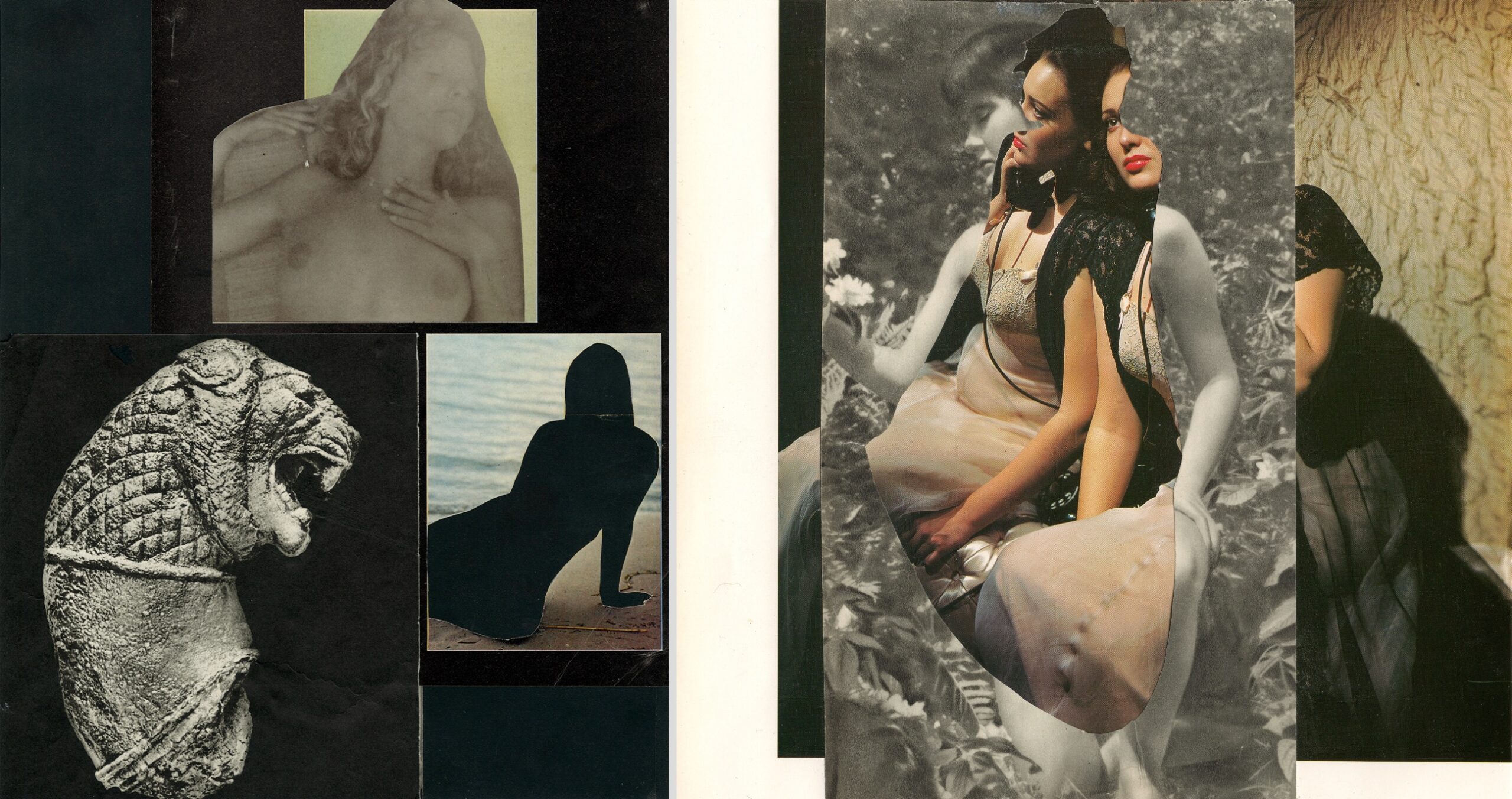
artworks by JAMES SPRINGALL
artworks by JAMES SPRINGALL
ES: Two photographers (Lydia Roberts and Jone Reed) I interviewed earlier this year both said that without their practice, their lives could easily have gone in a very dark direction. Art quite literally saved them.
JS: I was just desperate for another avenue. It’s almost like you have no choice in the end — you just have to submit to it. What I’m really pleased about is that I’ve continued. When you first start making work, you don’t know where it’s going to lead. I didn’t have any particular aim. It’s just something you’ve got to do, isn’t it? How do you feel about it?
ES: I can relate to that. For me, there was a natural gravitation towards film and photography. I grew up in a house where my parents were very engaged in the arts, and my older sister wanted to be an actress from a very young age. I suppose I was sort of conscripted into it from all sides.
JS: For me it was more of an escape. A reaction against my environment.
ES: Does collage feel like a fully recognized art form to you? Or is that beside the point?
JS: My first instinct is to say I don’t really care — and I’m quite happy with that answer.
photography by EFTIHIA STEFANIDI & artwork by JAMES SPRINGALL
photography by EFTIHIA STEFANIDI
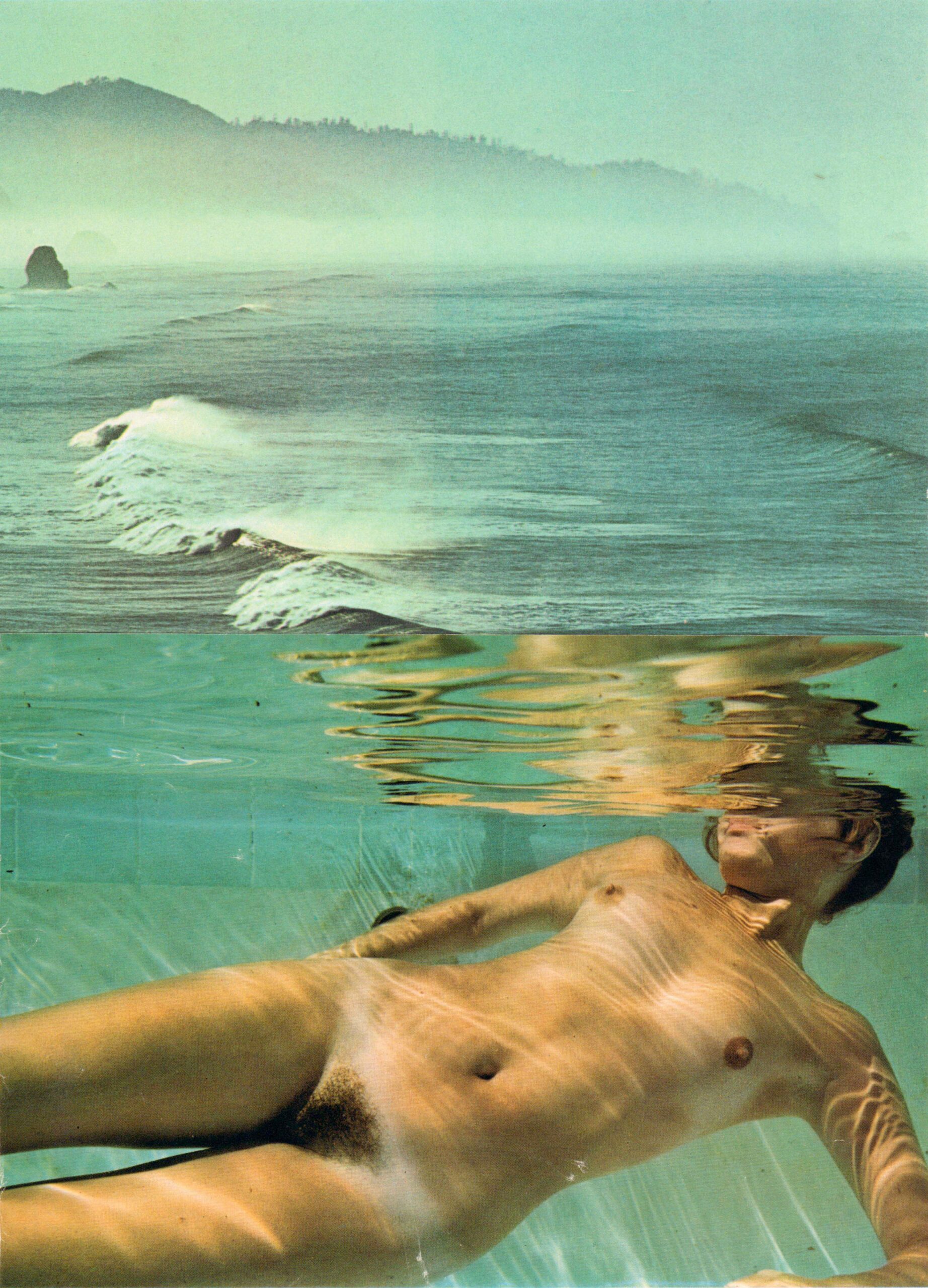
artwork by JAMES SPRINGALL
ES: Does the rise of AI worry you?
JS: Yes, it does. I’ve never made digital collages — I don’t know how to use Photoshop or any of those tools. I’m not a fan of the aesthetic. It’s a completely different world to me.
ES: It’s similar to the debate around digital versus film photography. Even with all the tools available to simulate the analogue look, it doesn’t quite work for me.
JS: I’m drawn towards anything that’s genuinely analogue, and increasingly so as everything moves the other way.
ES: It’s like a reaction, right? You want to hold on to the physical as much as you can…
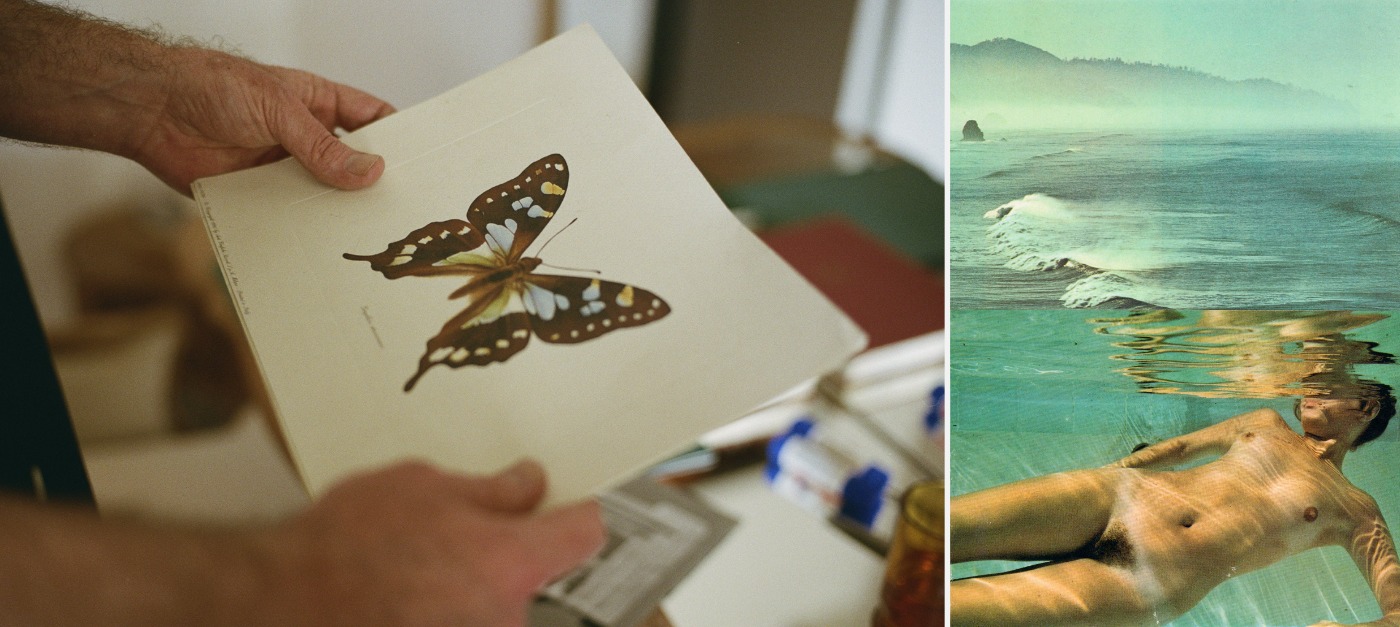
JS: Absolutely. A big part of what I do is sourcing materials, and there’s a magic to it — a serendipity, a joy in the discovery. There’s something thrilling about landing on a pairing that feels jarring, or not an obvious fit.
ES: Something you said about that serendipity made me think about the digital equivalent: online image libraries. There’s a kind of recycling quality to it. Rick Owens made a point I find interesting: even if AI becomes supremely intelligent, it will only ever recycle what it already knows. It will never have a personal eye, an unexpected encounter with the world. That’s what you’re describing.
JS: Yes. I’ve never been tempted to use AI in my work or source images online and print them out to use. For me, that defeats the entire purpose.
“There’s a magic to sourcing materials — a serendipity, a joy in the discovery.”
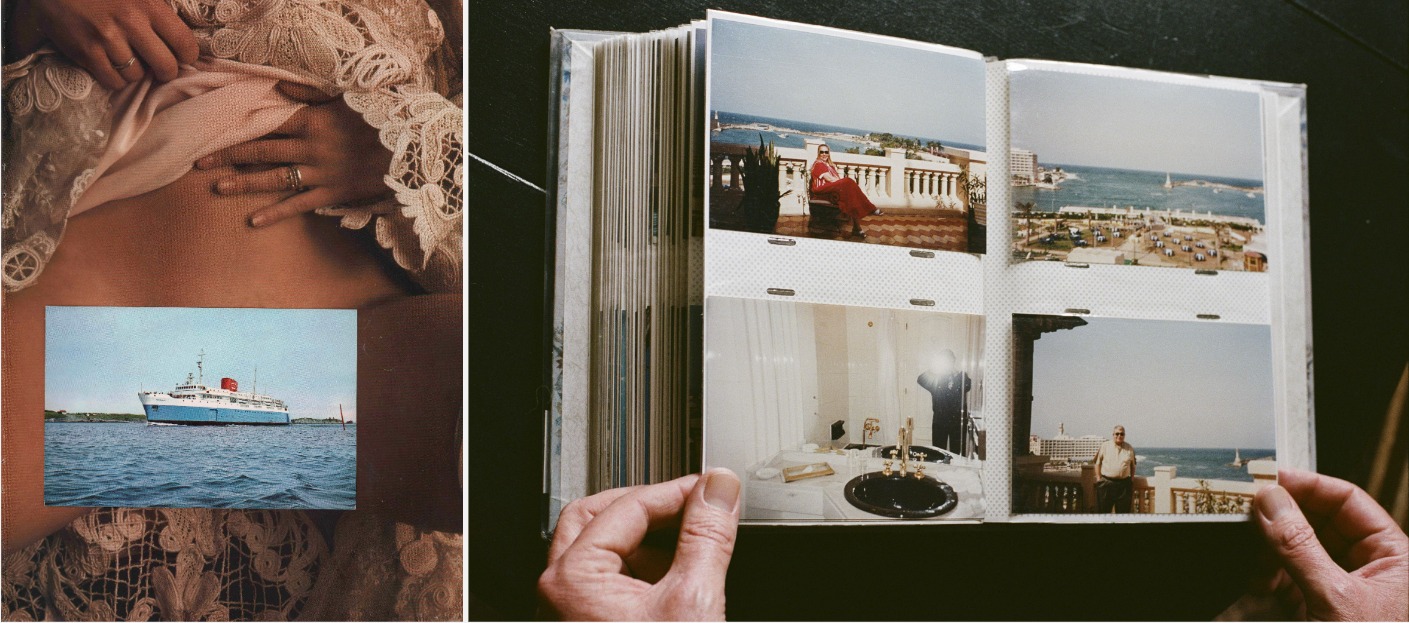
artwork by JAMES SPRINGALL & photography by EFTIHIA STEFANIDI
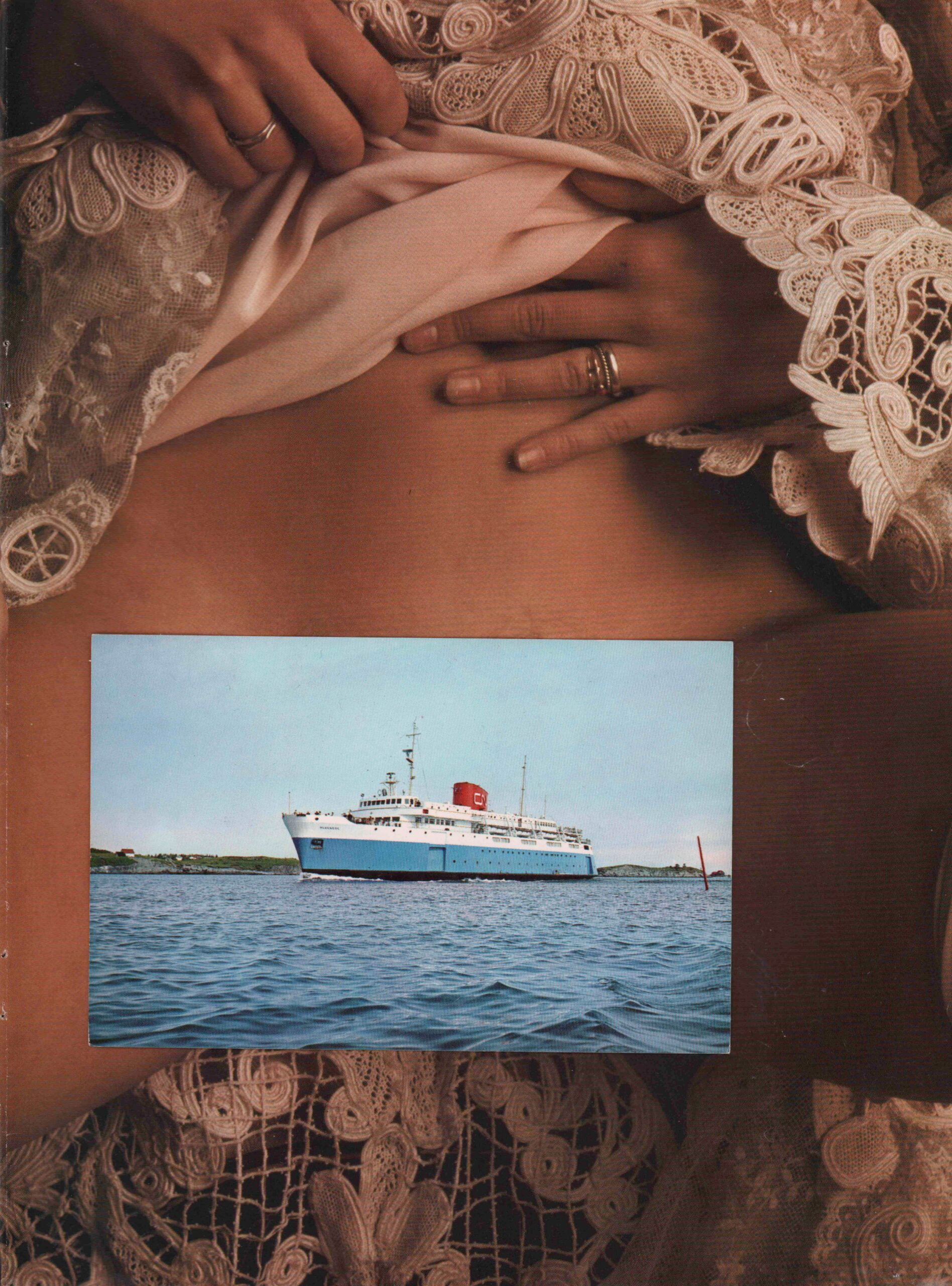
artwork by JAMES SPRINGALL
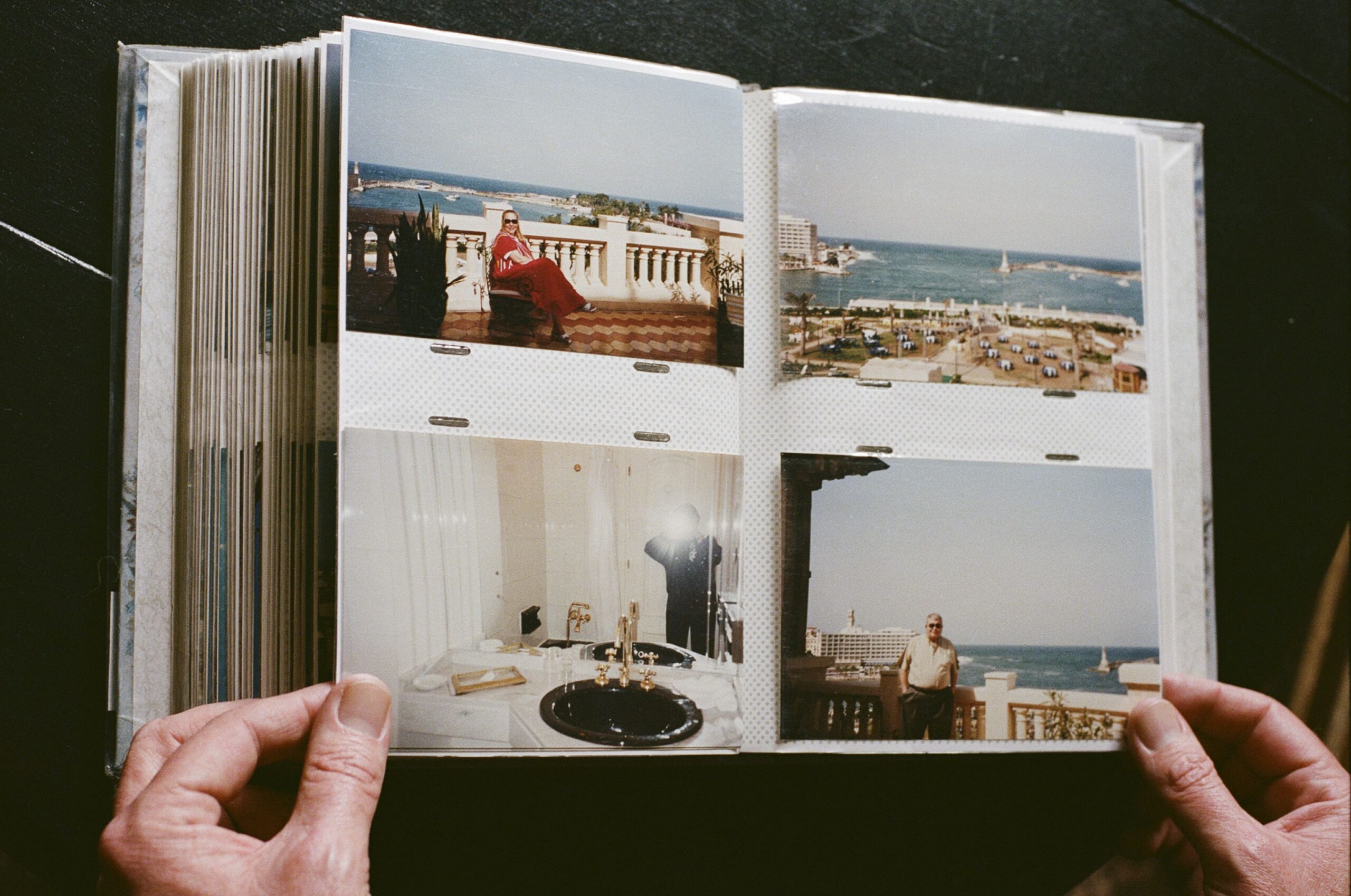
photography by EFTIHIA STEFANIDI
ES: How do you navigate the news? How do you stay sane amid the constant stream of information?
JS: I remember reading something by someone working in mental health who said it’s genuinely good for us not to immerse ourselves too deeply into the news. Having a broad understanding matters, of course. But the volume of information we’re subjected to now is unnatural. Unhealthy. And increasingly, we’re not even sure what’s true anymore.
ES: Henry Miller wrote about this in The Colossus of Maroussi: ‘To keep the mind empty is a feat, a very healthful feat too. To be silent the whole day long, see no newspaper, hear no radio, listen to no gossip, be thoroughly and completely lazy, thoroughly and completely indifferent to the fate of the world, is the finest medicine a man can give himself.’ It almost feels dangerous to say this out loud now.
JS: It’s a big topic of our time. If you’re not engaging, there’s a stigma, right?
ES: Because the implication is “How dare you look away while people are suffering?”
JS: Exactly. But it’s not always about indifference. They say you must care first for yourself to be able to care for others. “Put your own life jacket on first”, they say on the plane, don’t they? Also, how do we measure involvement these days? Is reducing your engagement to an Instagram post and sitting back feeling you’ve done your bit enough? It’s complicated. What I try to do, as I move through life, is be positive, helpful, socially conscious, and respectful. Small acts can be enormously important. Not everything has to be grandiose or for show.
“As I move through life, I try to be positive, helpful, socially conscious, and respectful. Small acts can be enormously important.”
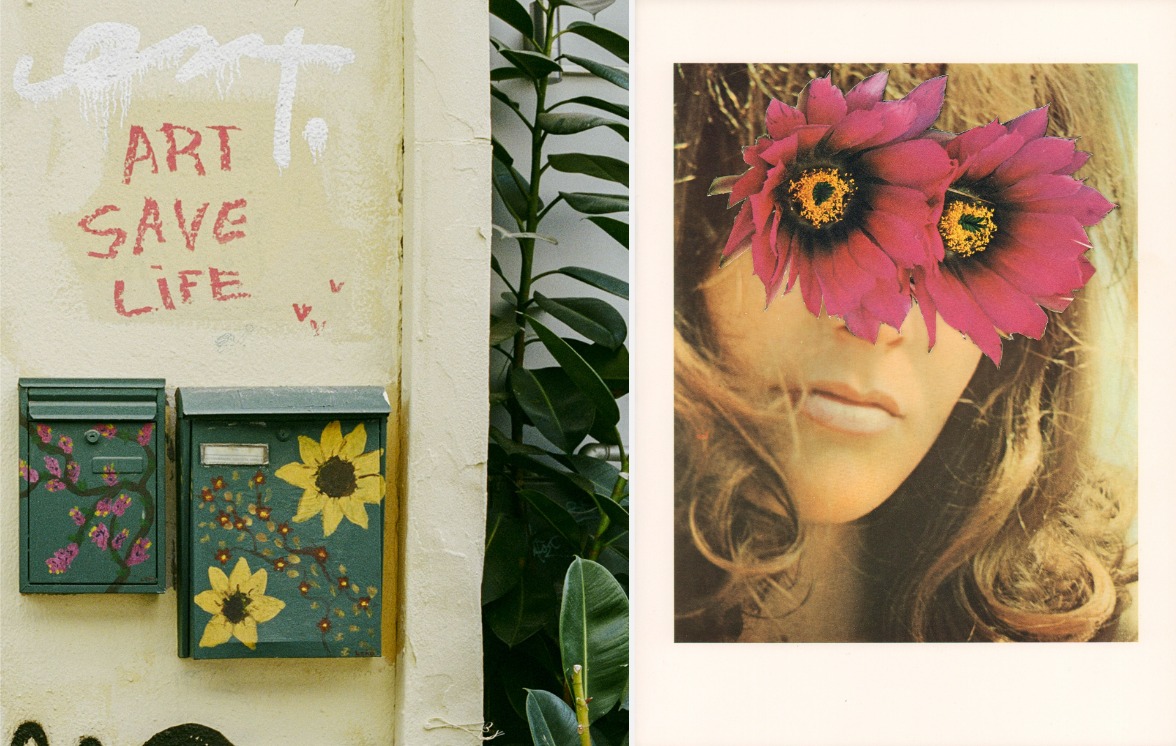
photography by EFTIHIA STEFANIDI & artwork by JAMES SPRINGALL
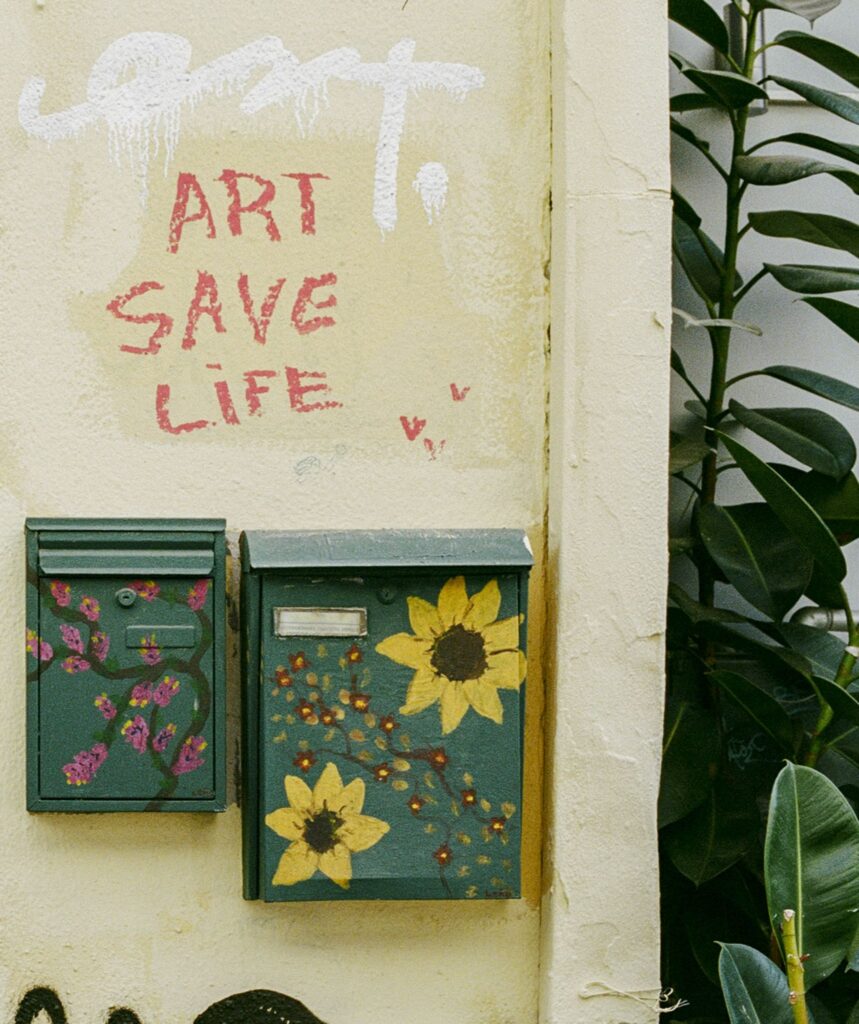
photography by EFTIHIA STEFANIDI
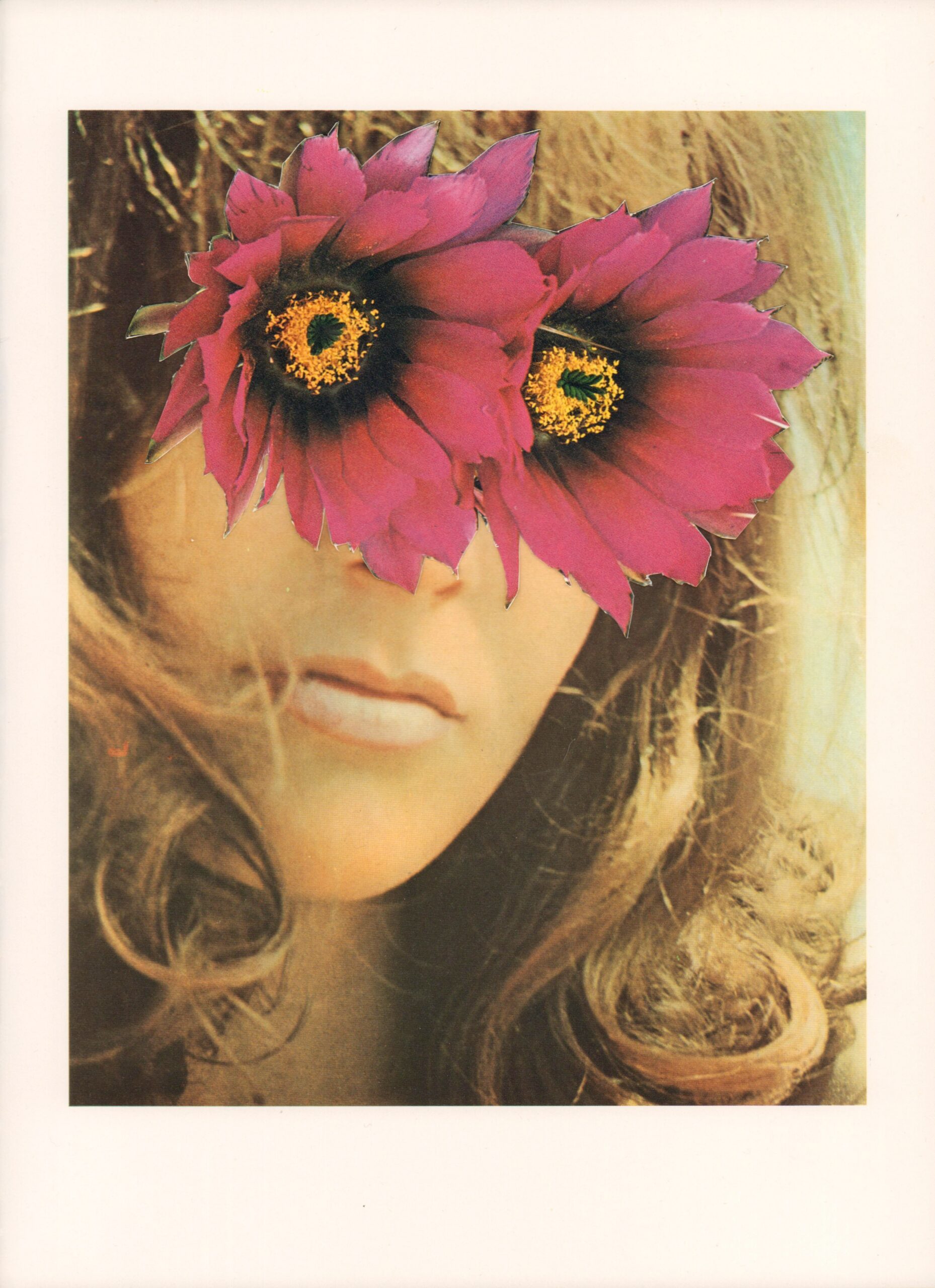
artwork by JAMES SPRINGALL
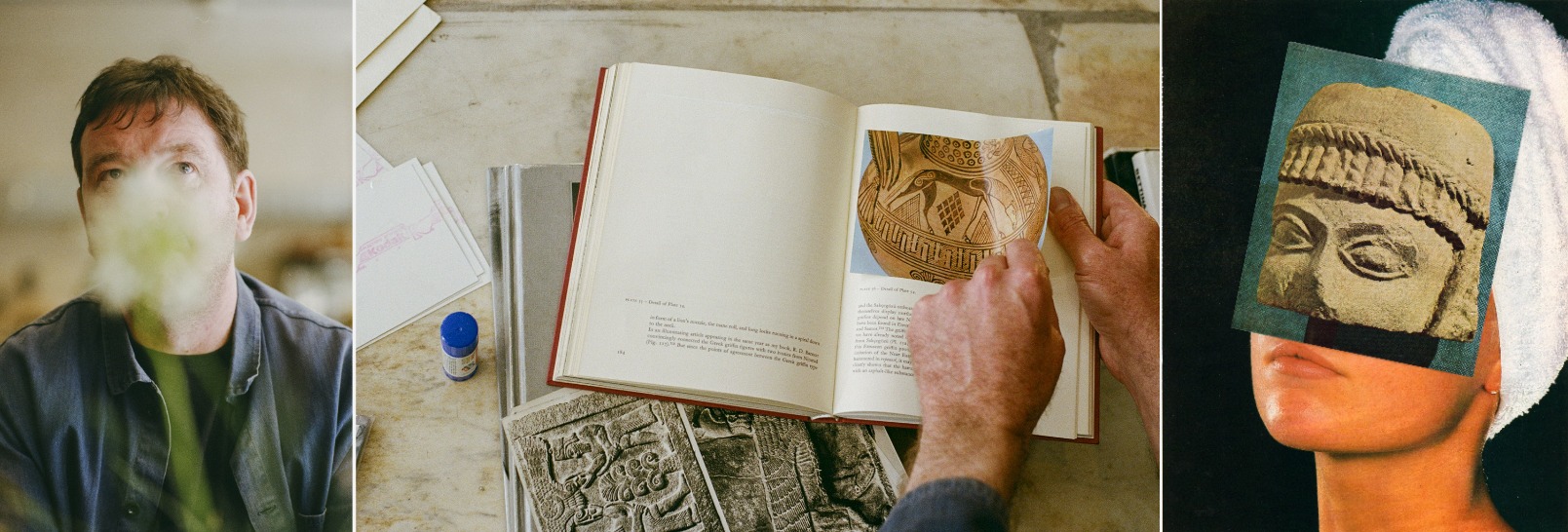
photography by EFTIHIA STEFANIDI & artwork by JAMES SPRINGALL
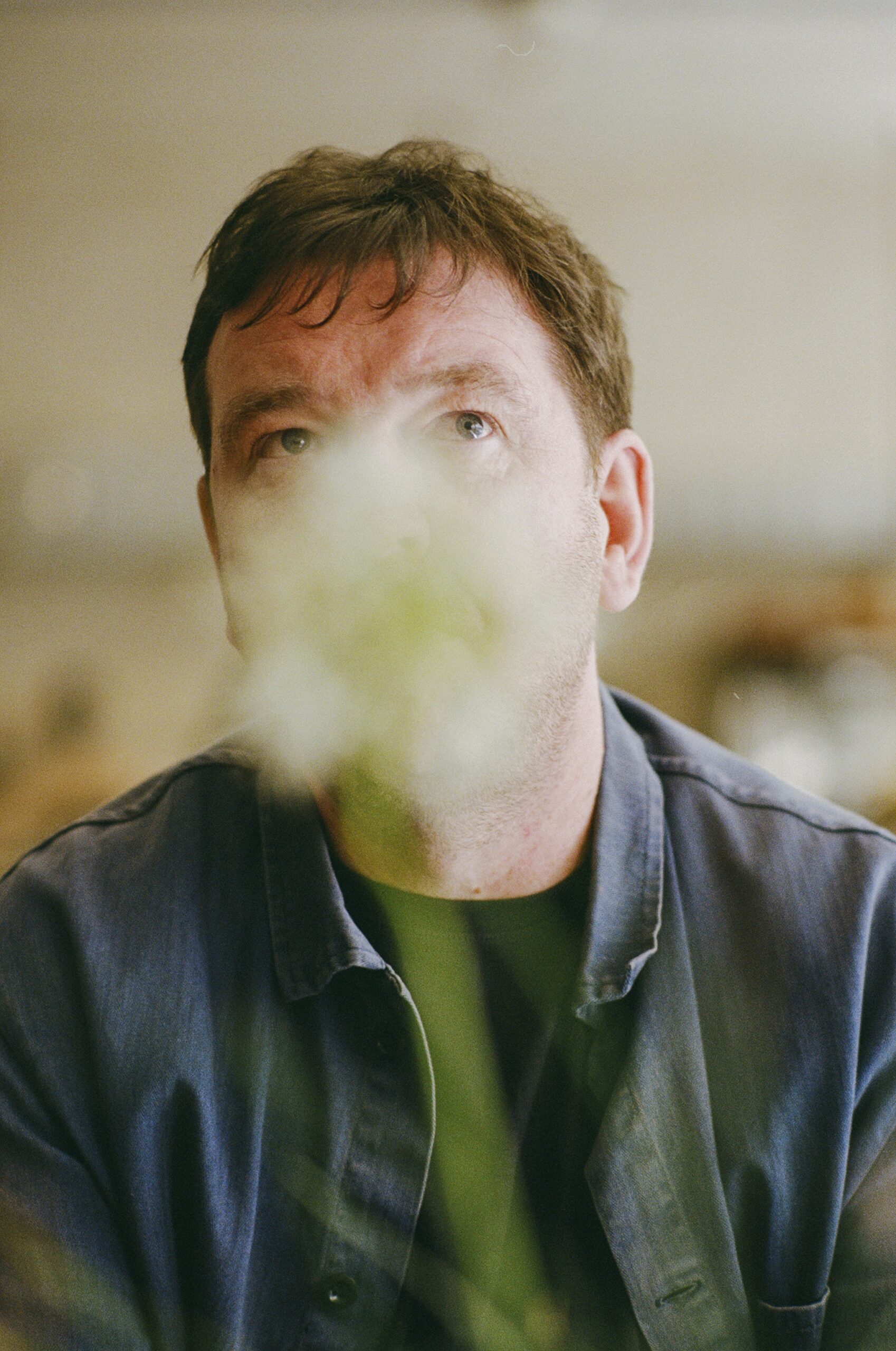
photography by EFTIHIA STEFANIDI
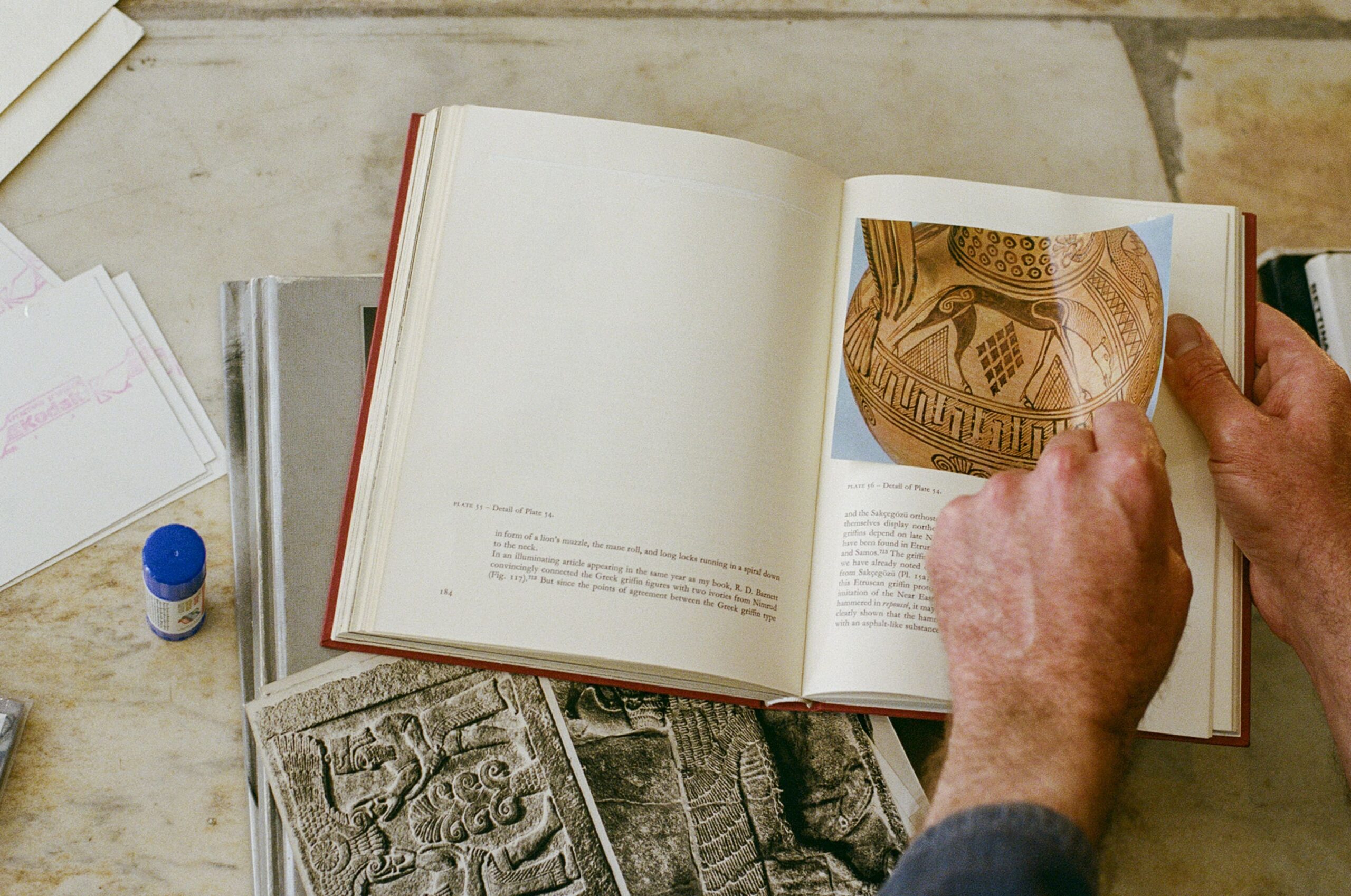
photography by EFTIHIA STEFANIDI
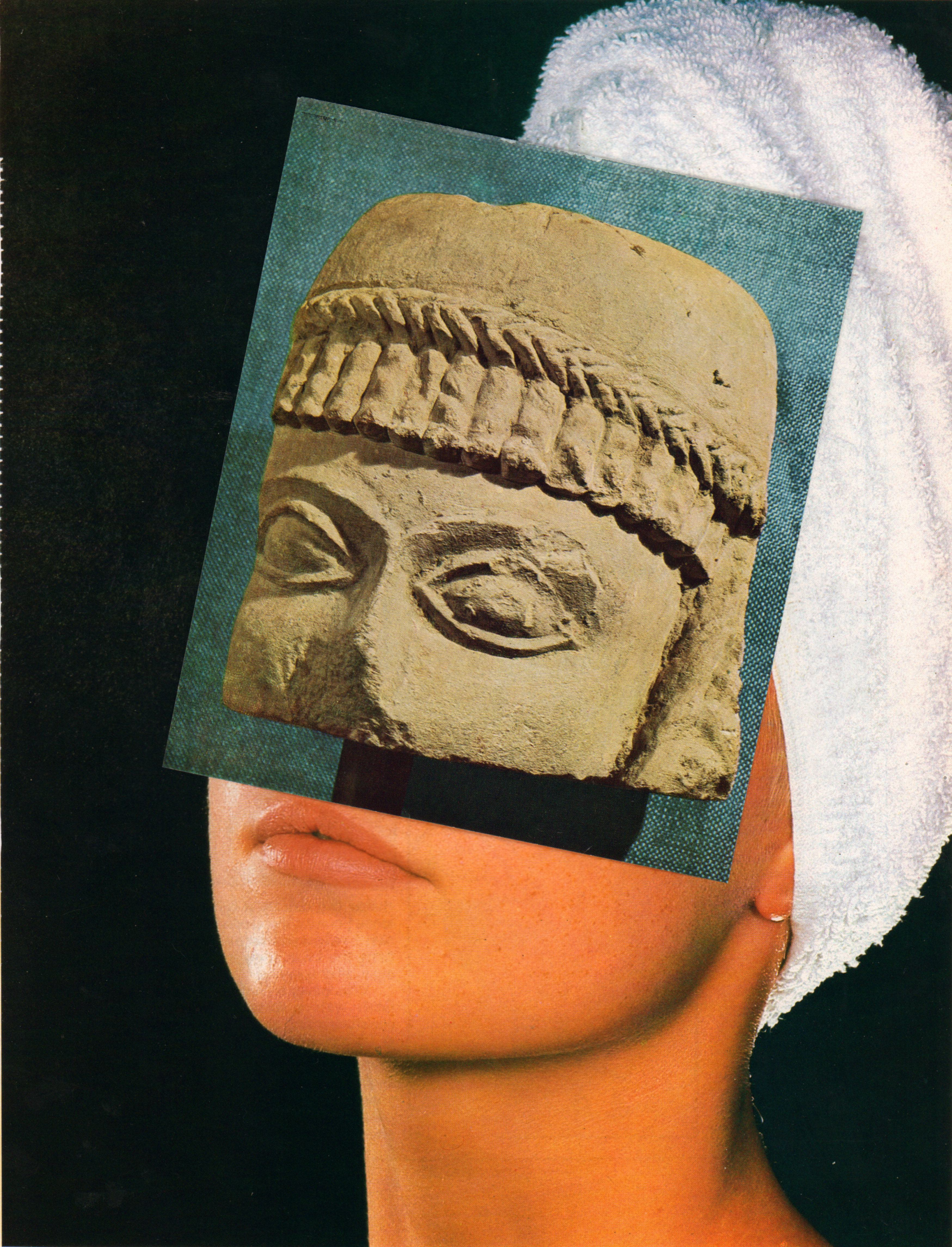
artwork by JAMES SPRINGALL
ES: Last question: you’ve spent the past week between Mona and Shila. What have your impressions been?
JS: The word that keeps coming to mind is ‘magic’. There’s a looseness to staying here. It feels like a quiet pushback against a kind of relentless commercial uniformity. Sometimes you go somewhere and it strips you of your individuality. You become interchangeable. Both spaces are the opposite. There’s a personality to them completely at odds with that conveyor-belt aesthetic.
ES: Thank you — that means a great deal to us.
JS: I genuinely mean it. It makes me wish I still smoked. That’s my only complaint.
ES: You’re in Athens. Half the population is smoking.
JS: I know! There’s something about this city that gives you permission to just be. It doesn’t subject you to a certain behavior from the get-go. We had a coffee somewhere earlier and I realized I was simply allowed to sit for as long as I liked and watch the world go by. That matters more than people think. I hope it stays.
MORE FEATURES