air
Cassi Namoda
"When I was young, I thought art was all action. That I had to be productive. But it's not really about that. It's imagination. Or making the mistake and waiting for it to dry."
Moving between post-colonial memory, mythology, and lived experience, Mozambican artist Cassi Namoda’s artistic language resists fixed boundaries. In her paintings, colour becomes an essence, carrying personal histories into dialogue with broader cultural narratives. Shaped by a nomadic life lived across geographies and informed by cinematic sensibilities, Cassi’s work unfolds on the move; through intuitive storytelling, where figures and symbols drift fluidly between reality and myth.
Through the prism of magical realism, Namoda explores the complexities of mutable identities and belonging with poetic restraint. During her residency at Shila in Athens, the artist reflected on motherhood, the creative potential of getting lost, and the gradual release from inherited expectations of productivity.
photography by EFTIHIA STEFANIDI

photography by EFTIHIA STEFANIDI
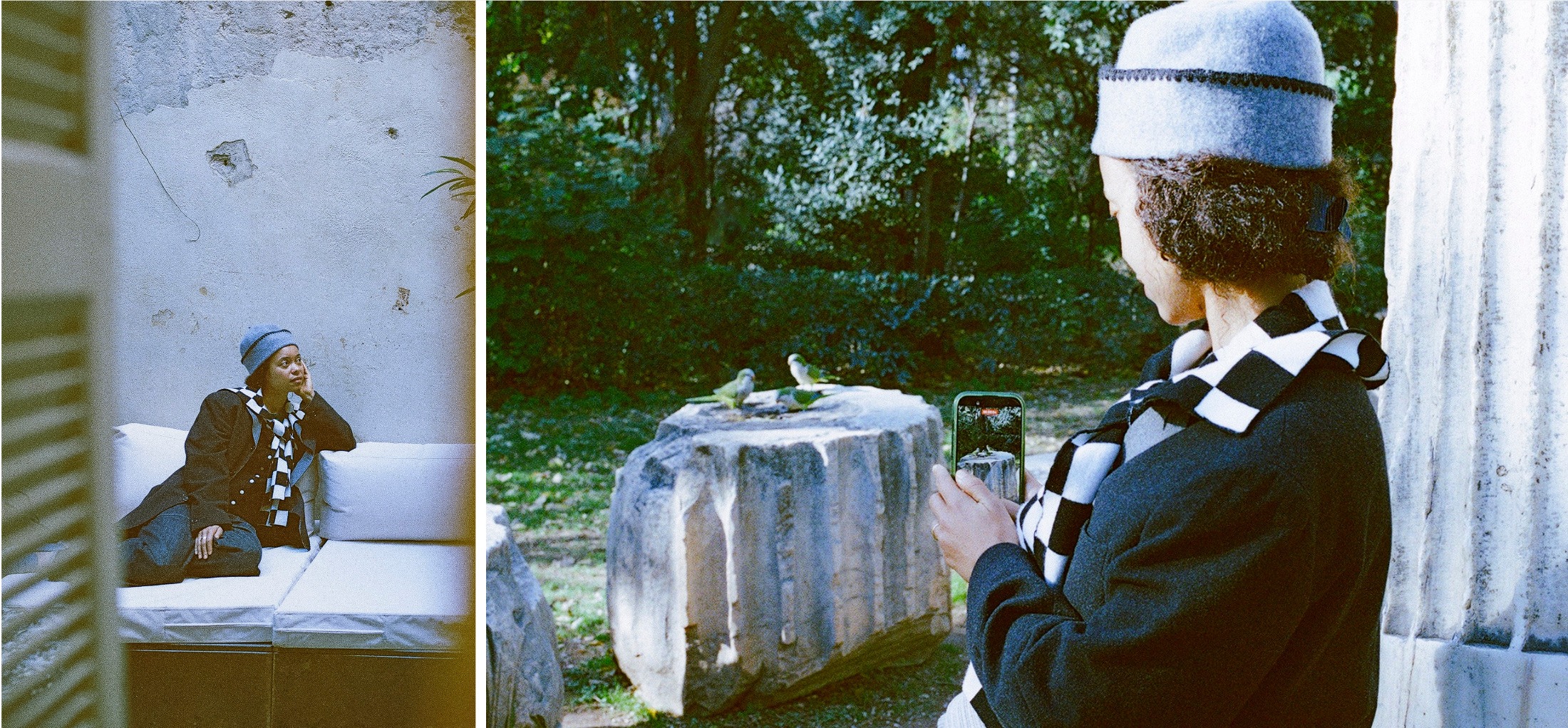
photography by EFTIHIA STEFANIDI
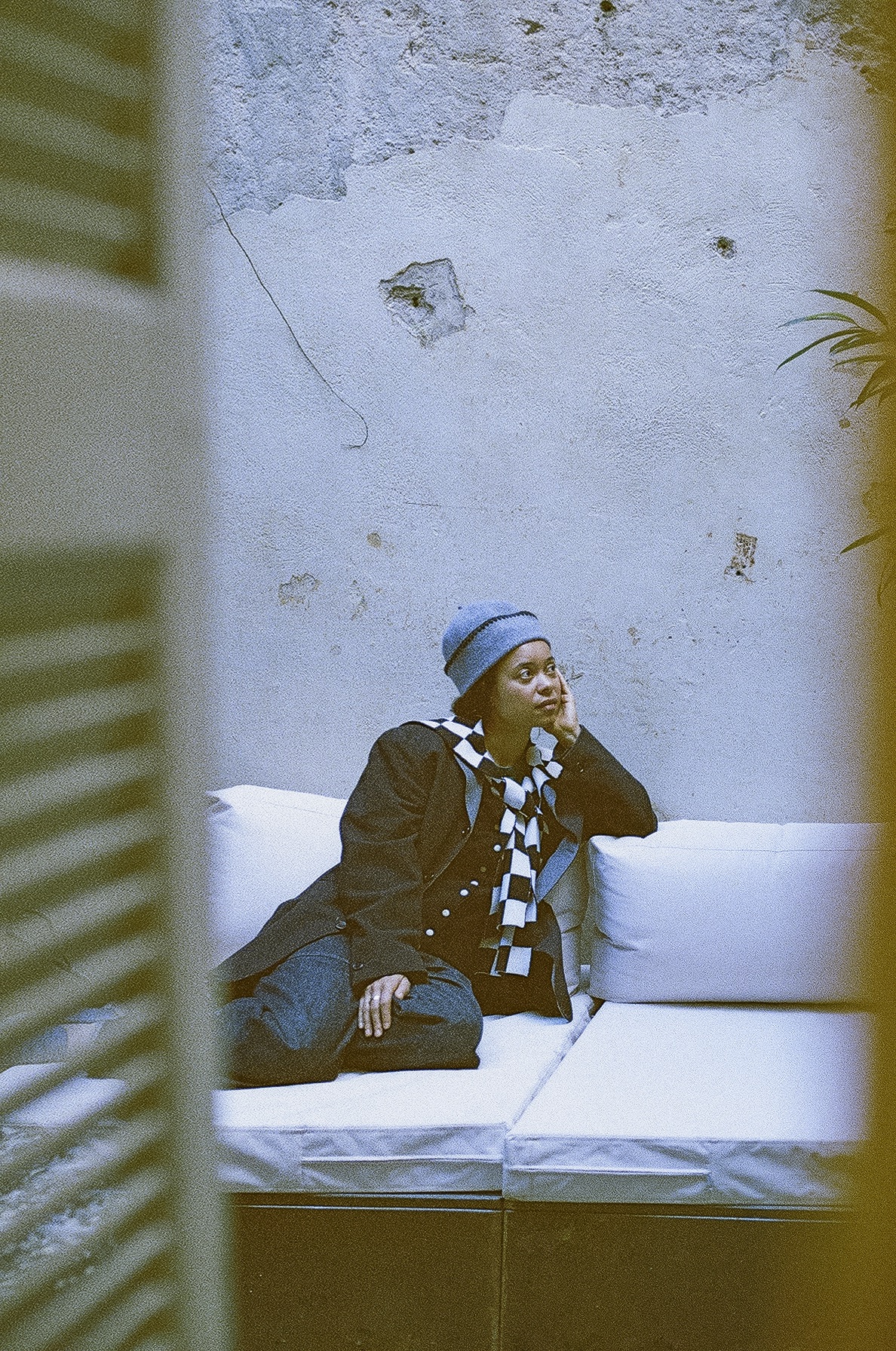
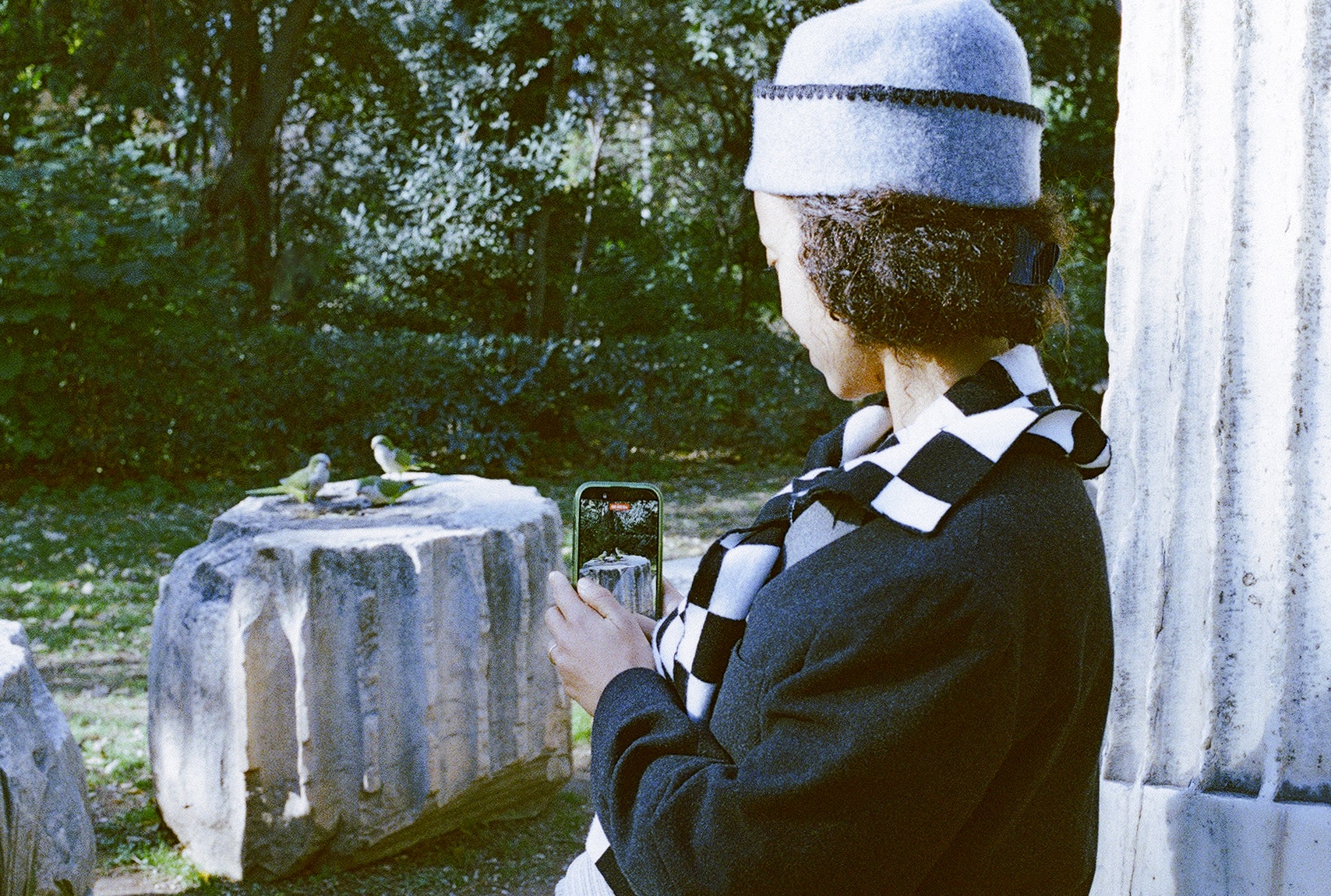
photography by EFTIHIA STEFANIDI
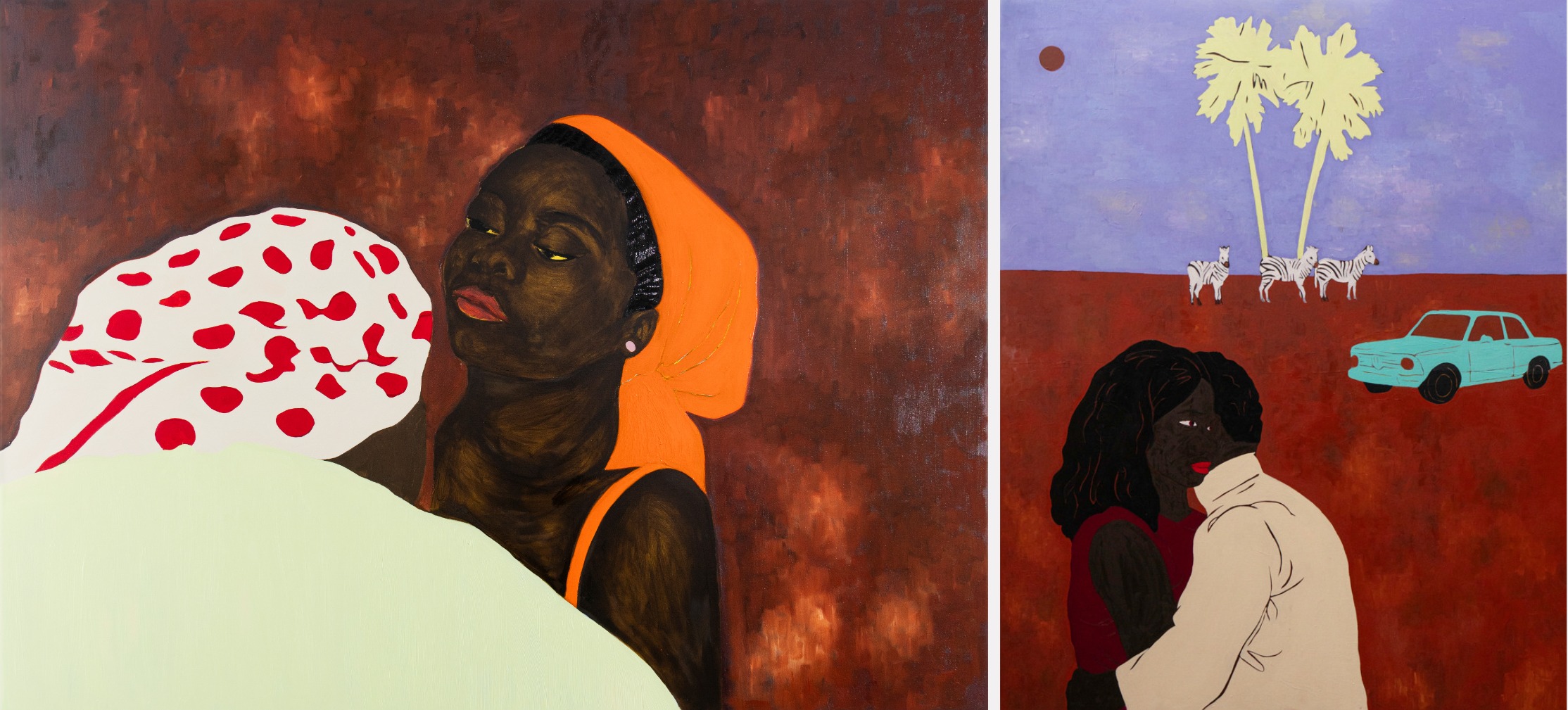
artworks by CASSI NAMODA
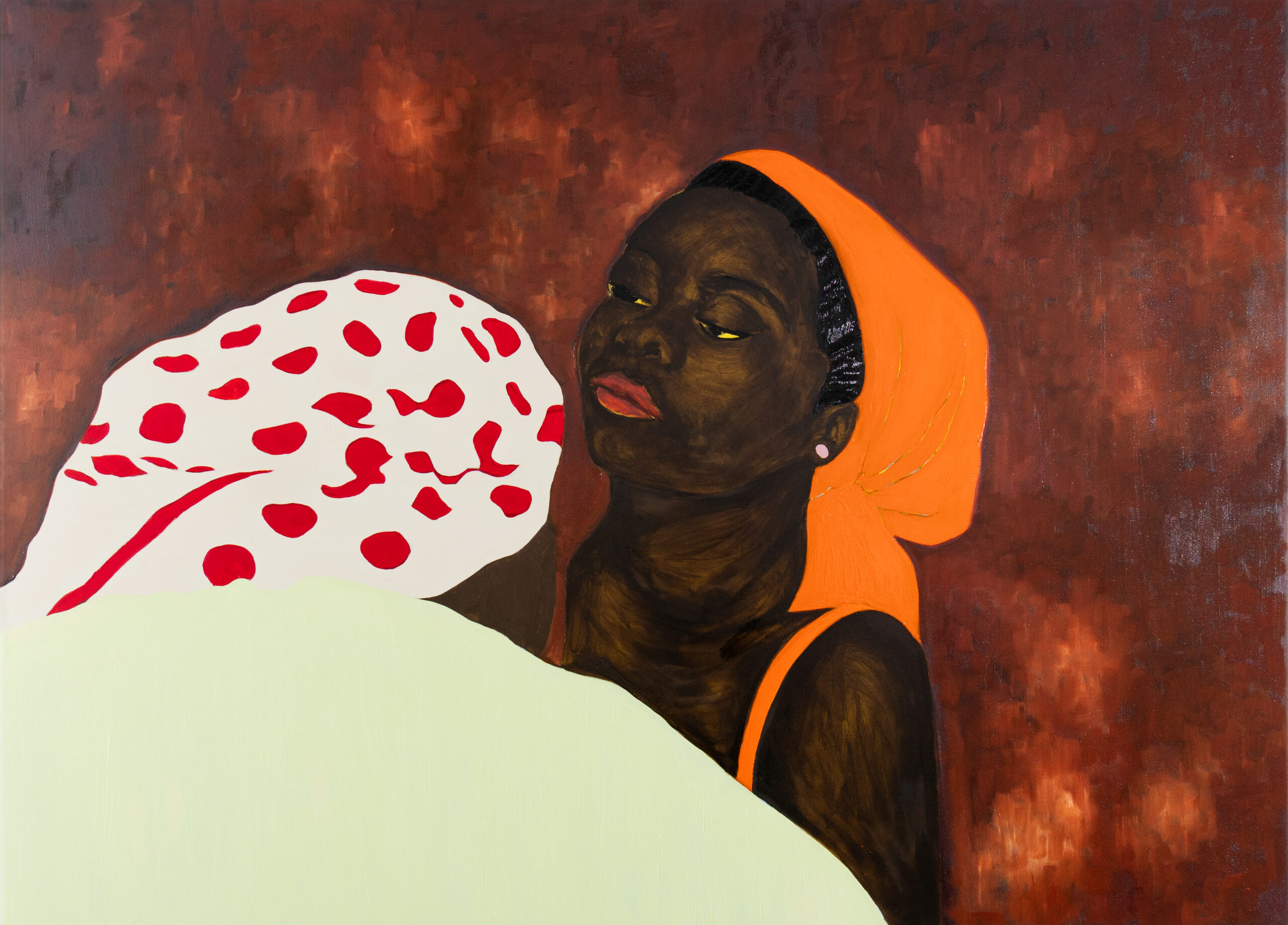
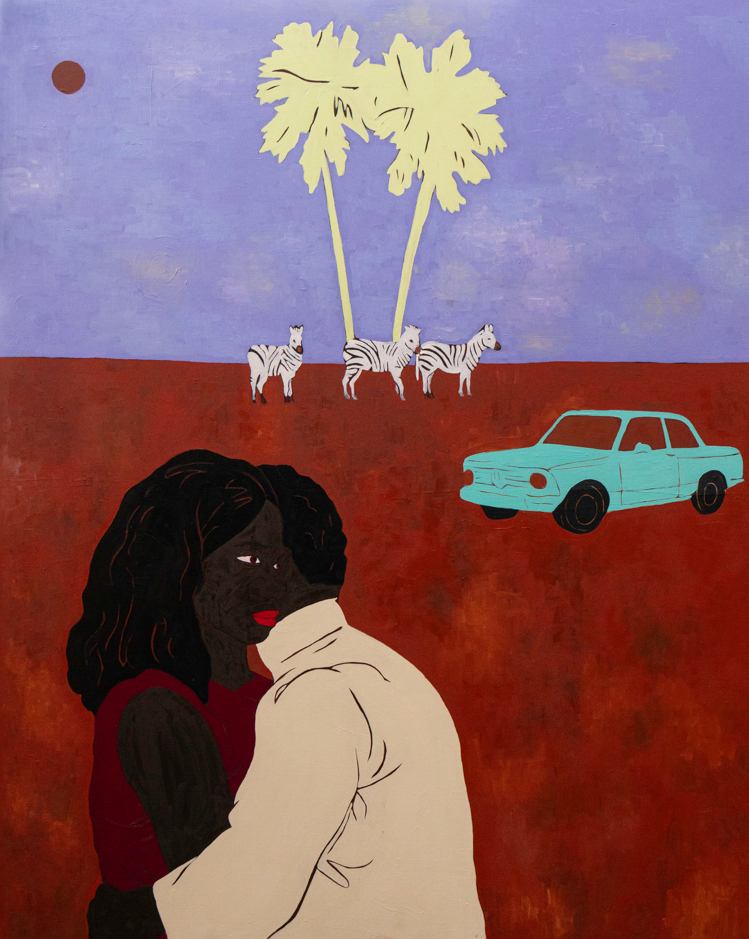
artworks by CASSI NAMODA
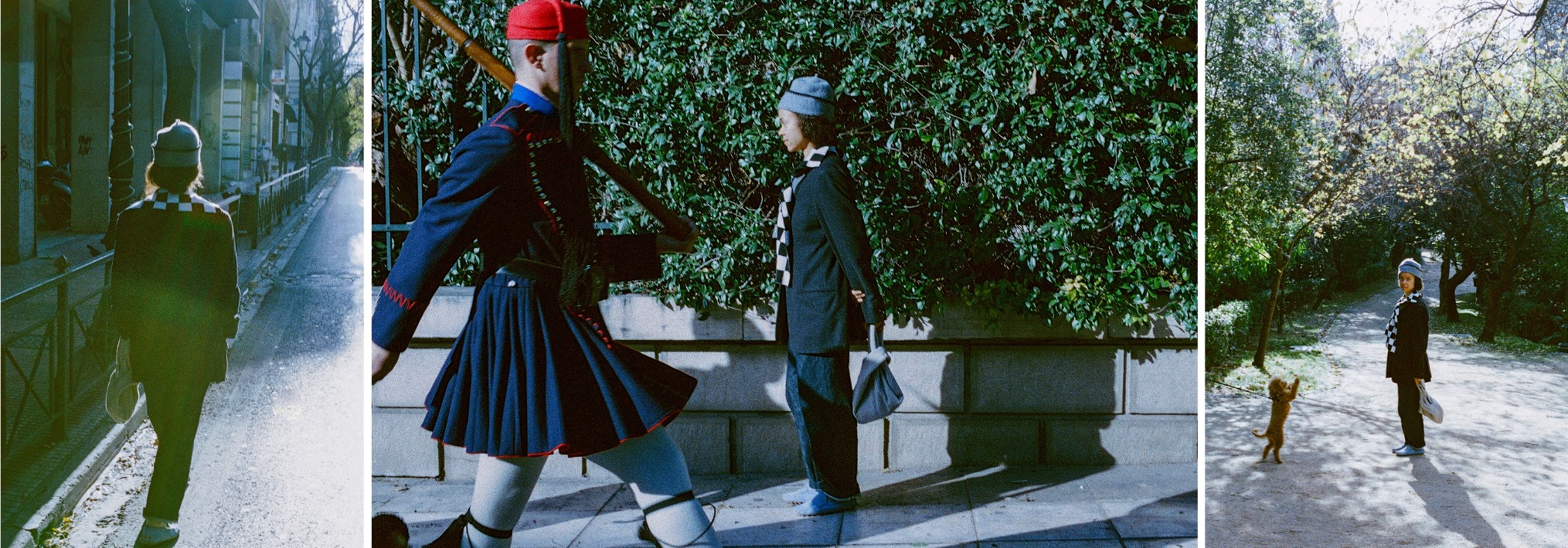
photography by EFTIHIA STEFANIDI
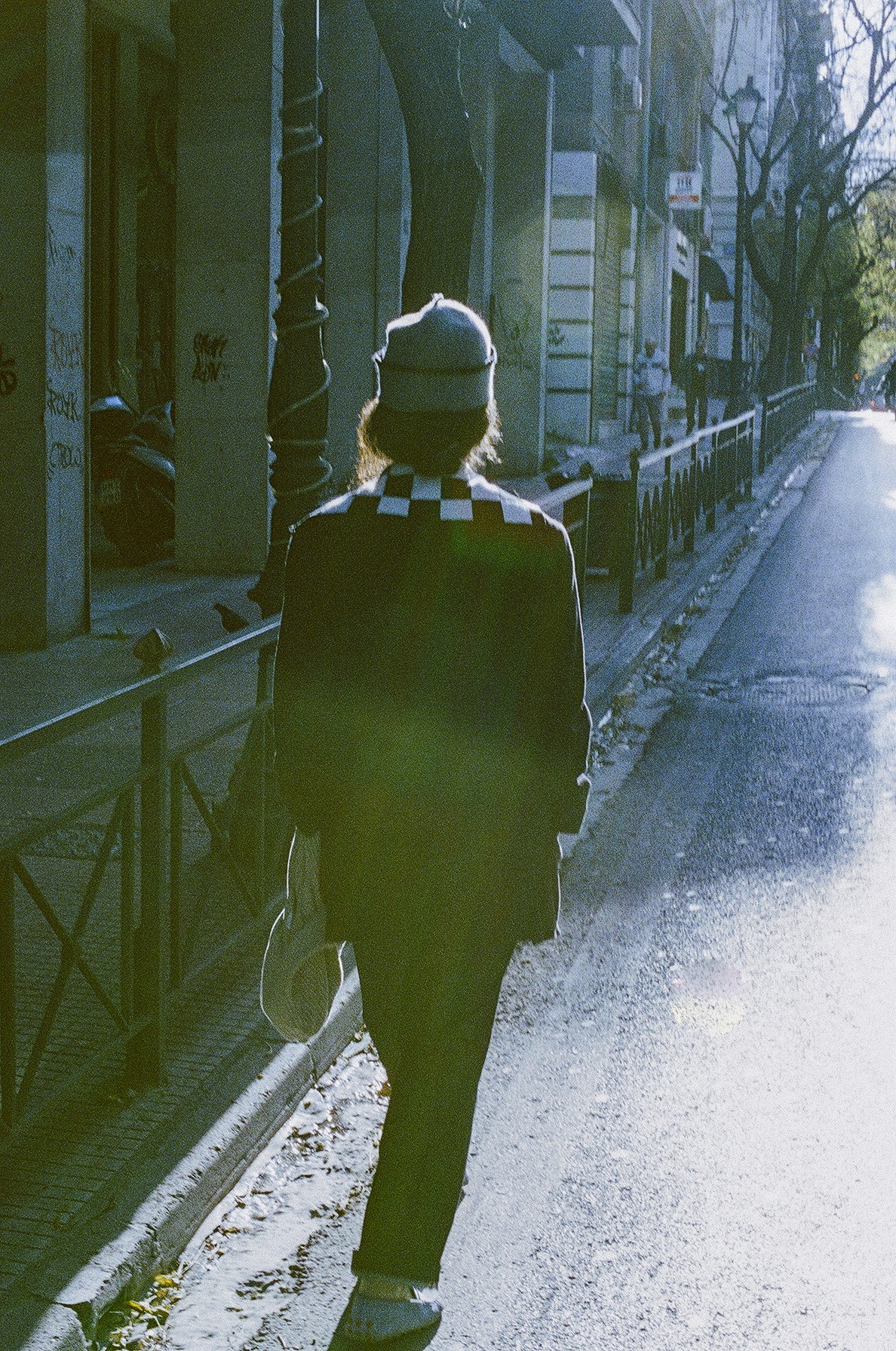
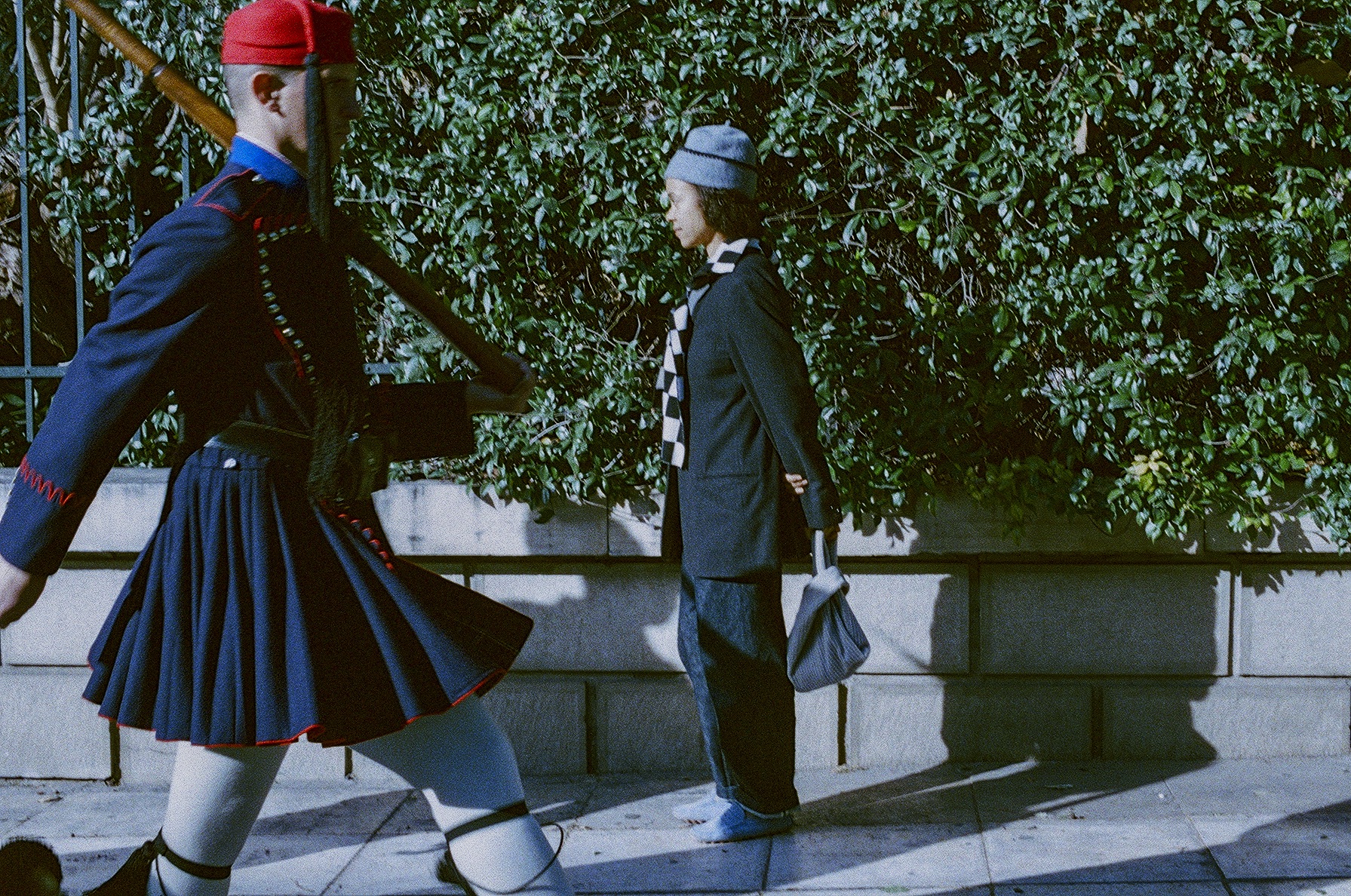
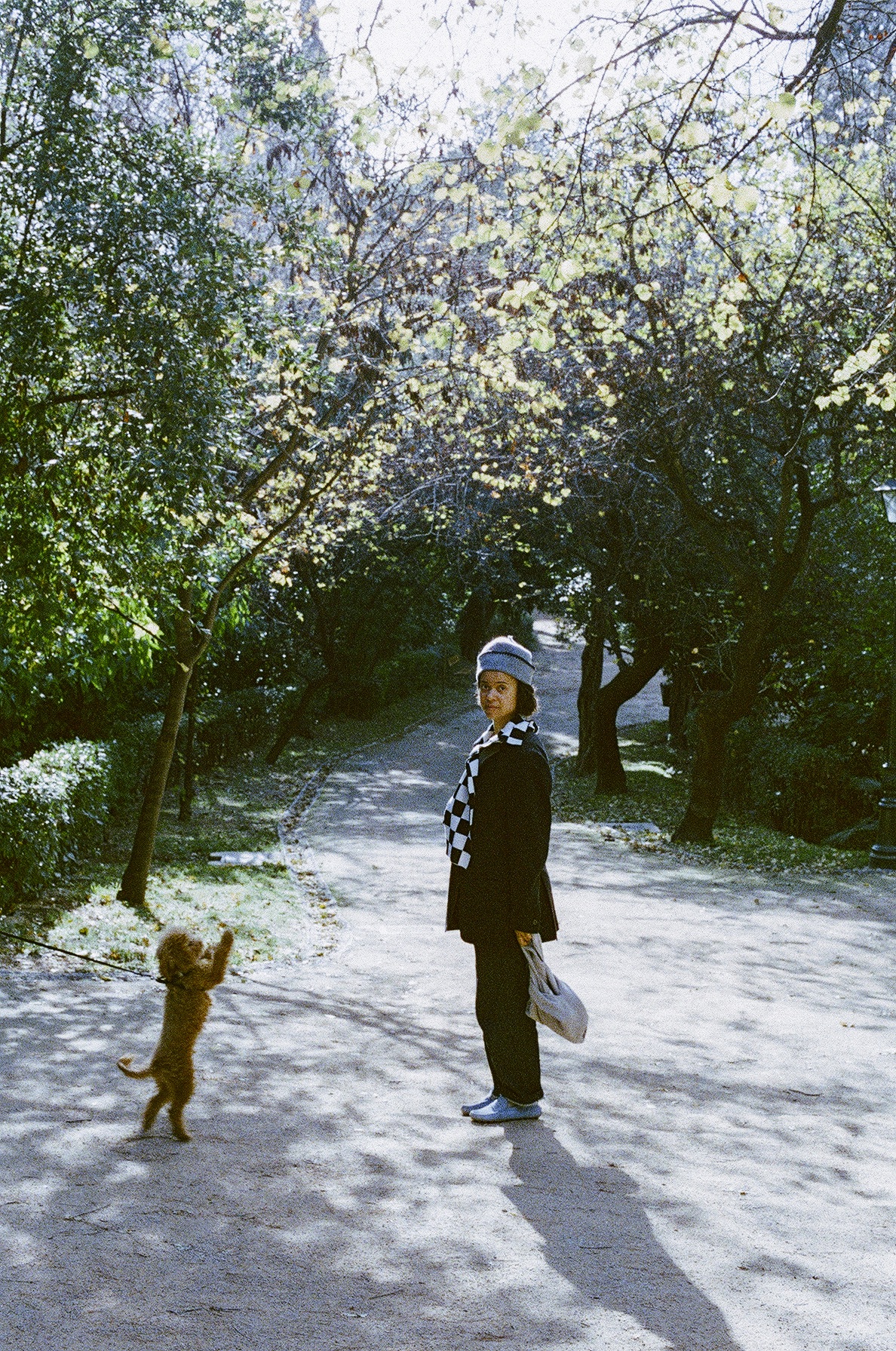
photography by EFTIHIA STEFANIDI

photography by EFTIHIA STEFANIDI
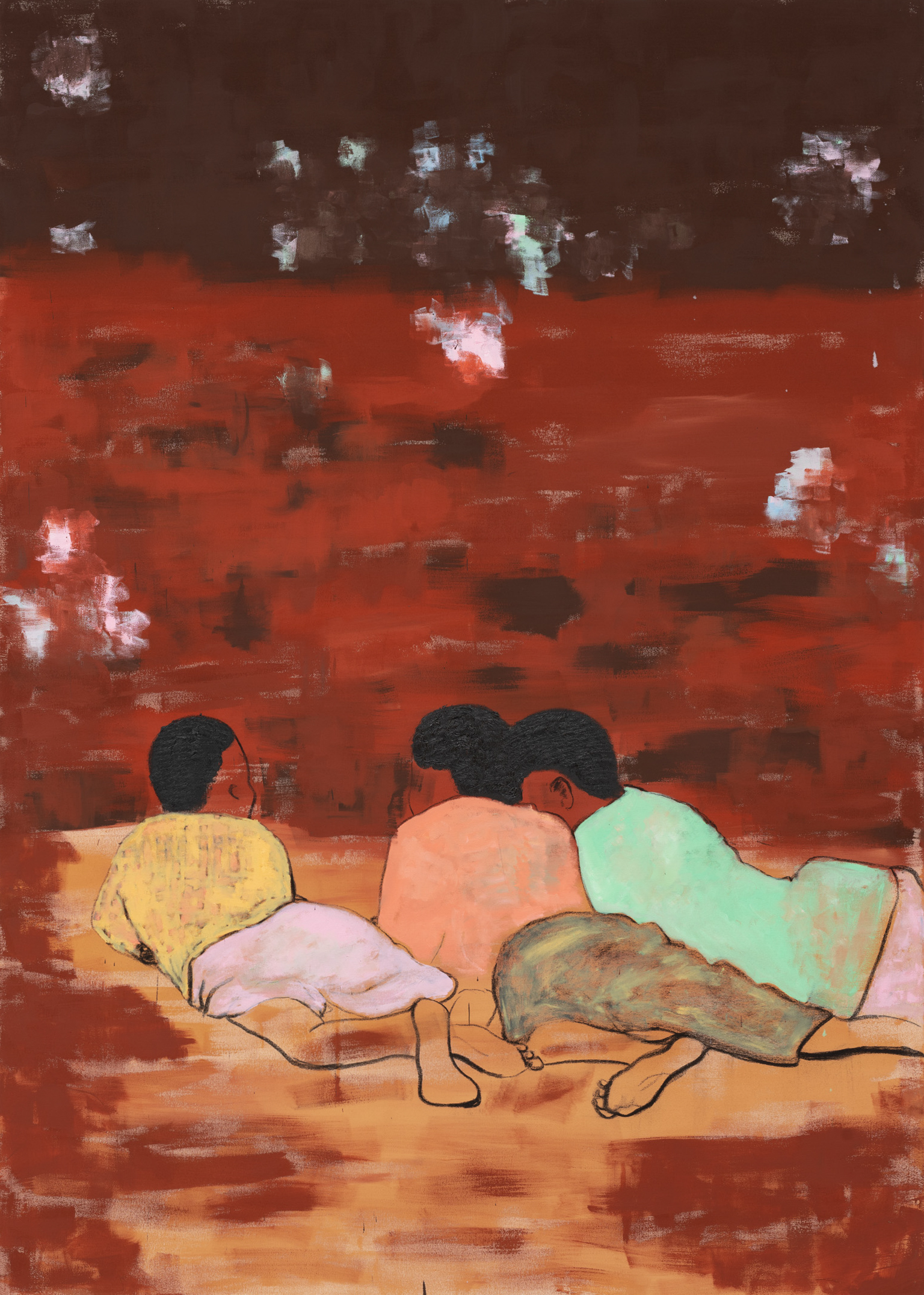
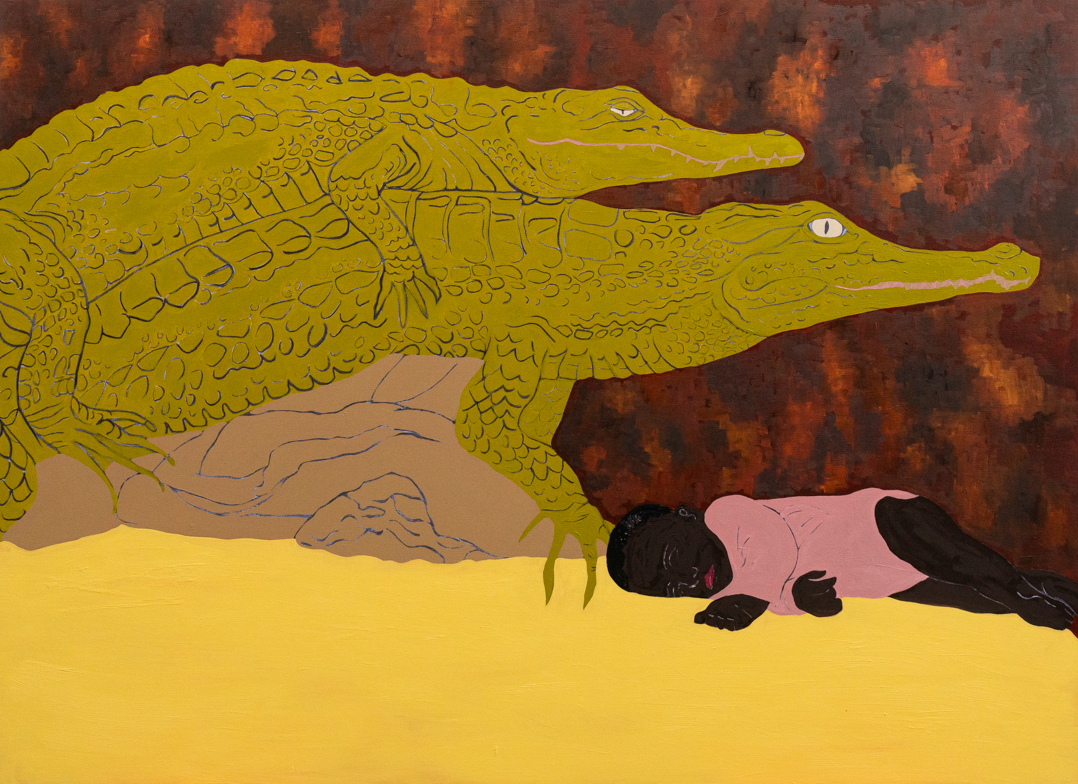
artworks by CASSI NAMODA
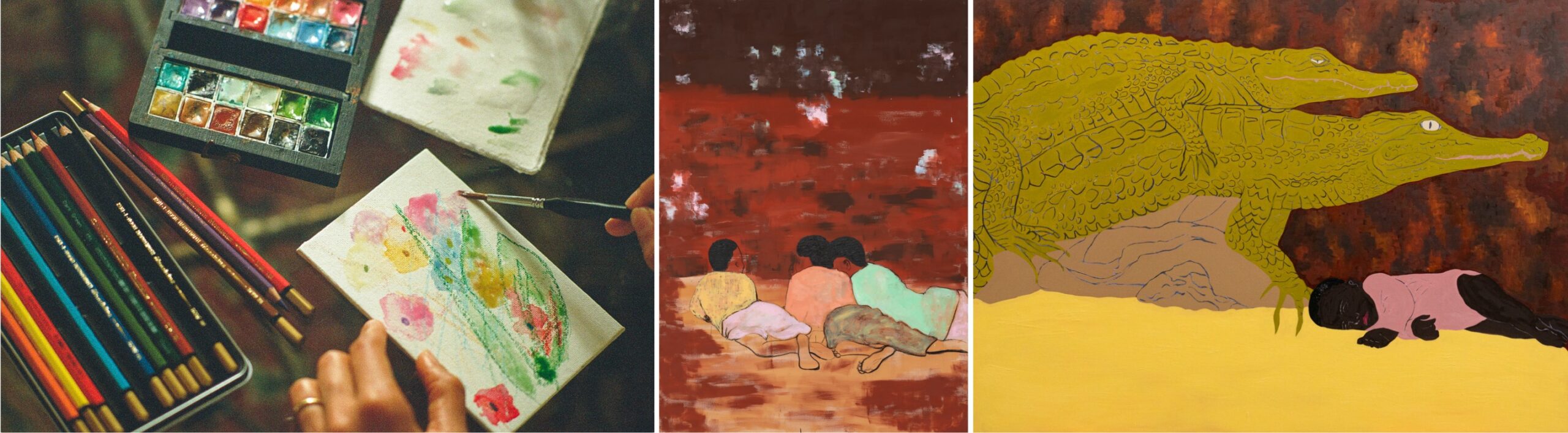
photography by EFTIHIA STEFANIDI & artworks by CASSI NAMODA
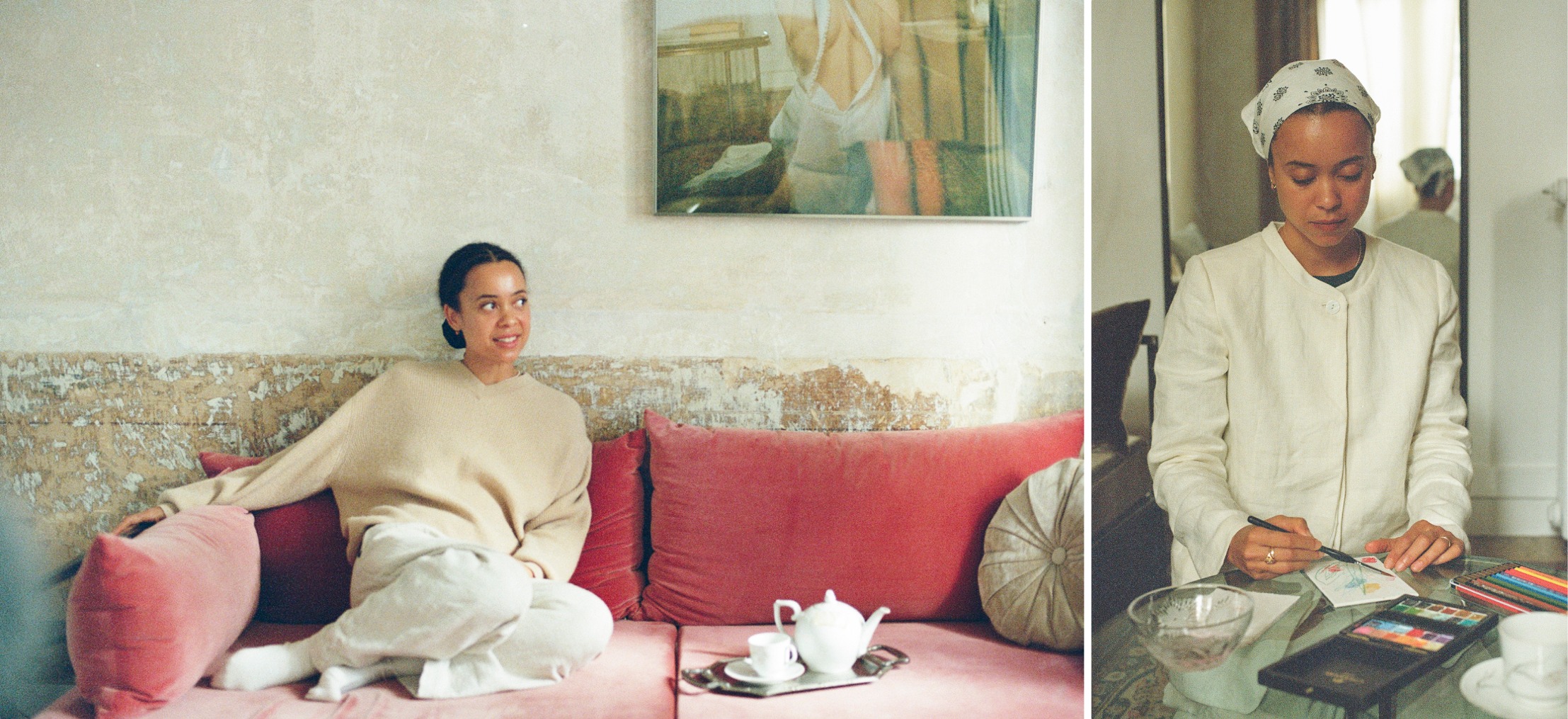
photography by EFTIHIA STEFANIDI
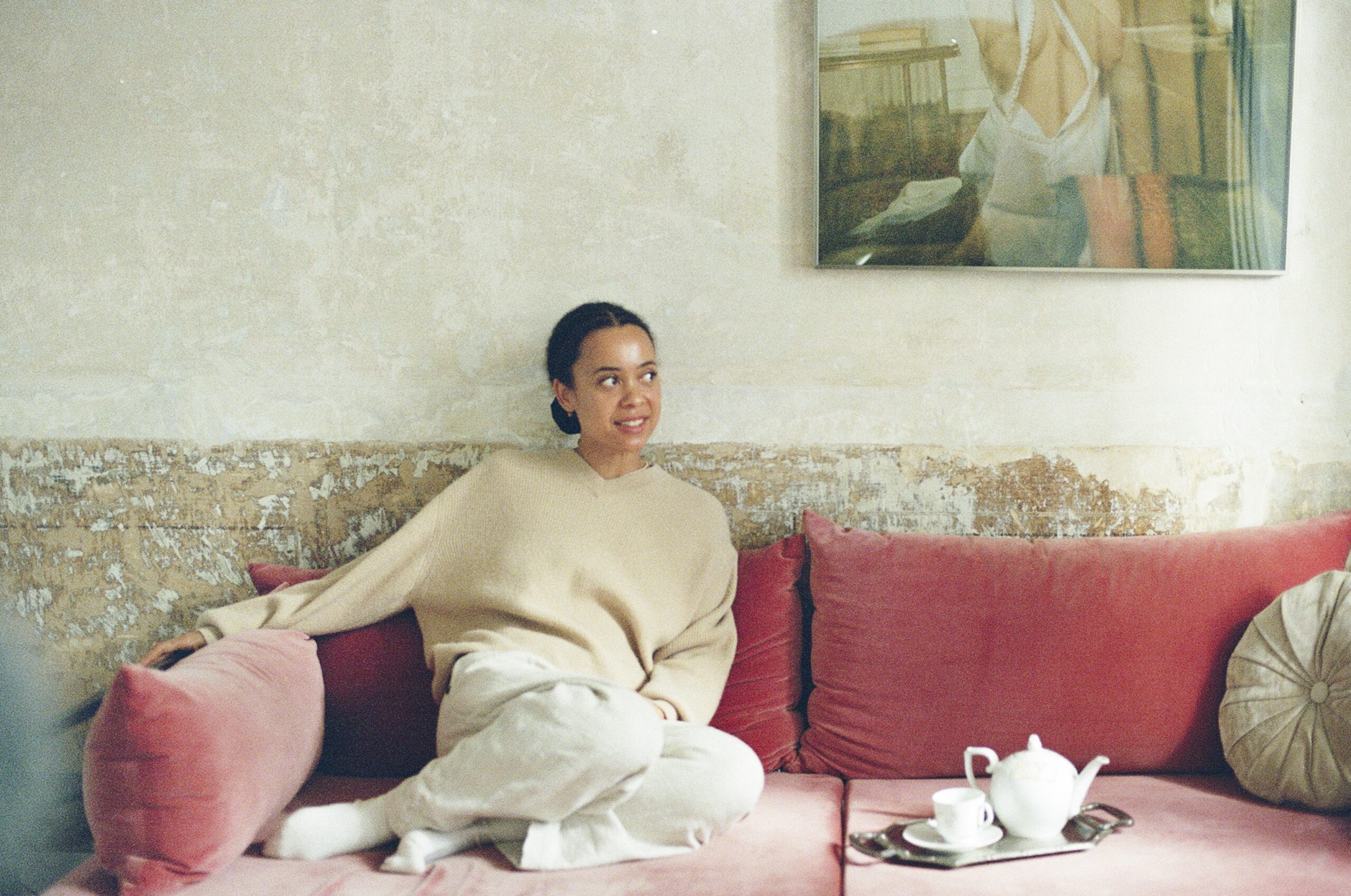
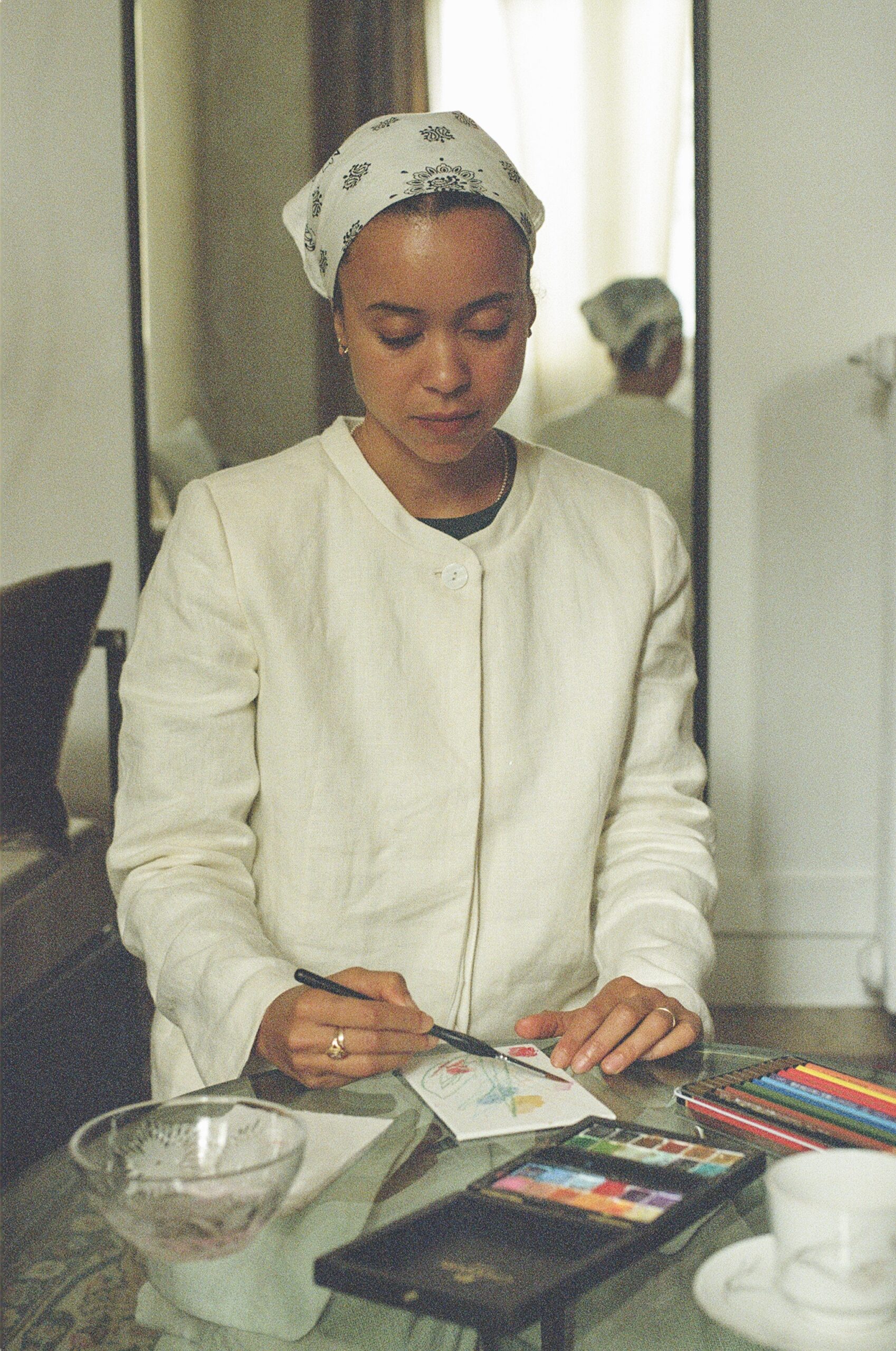
photography by EFTIHIA STEFANIDI
ES: Is there something you dream about for yourself, a future life?
CN: To further remove myself from Western society. I don’t want to completely disconnect myself, but I want to observe and absorb a slower pace, in tune with nature and the simplicity of life. Whether that’s Morocco or Mozambique or wherever, I feel like I keep getting drawn to that cadence. Athens is not a bad place to start at.
ES: This is your first time in Athens, right? How does it feel?
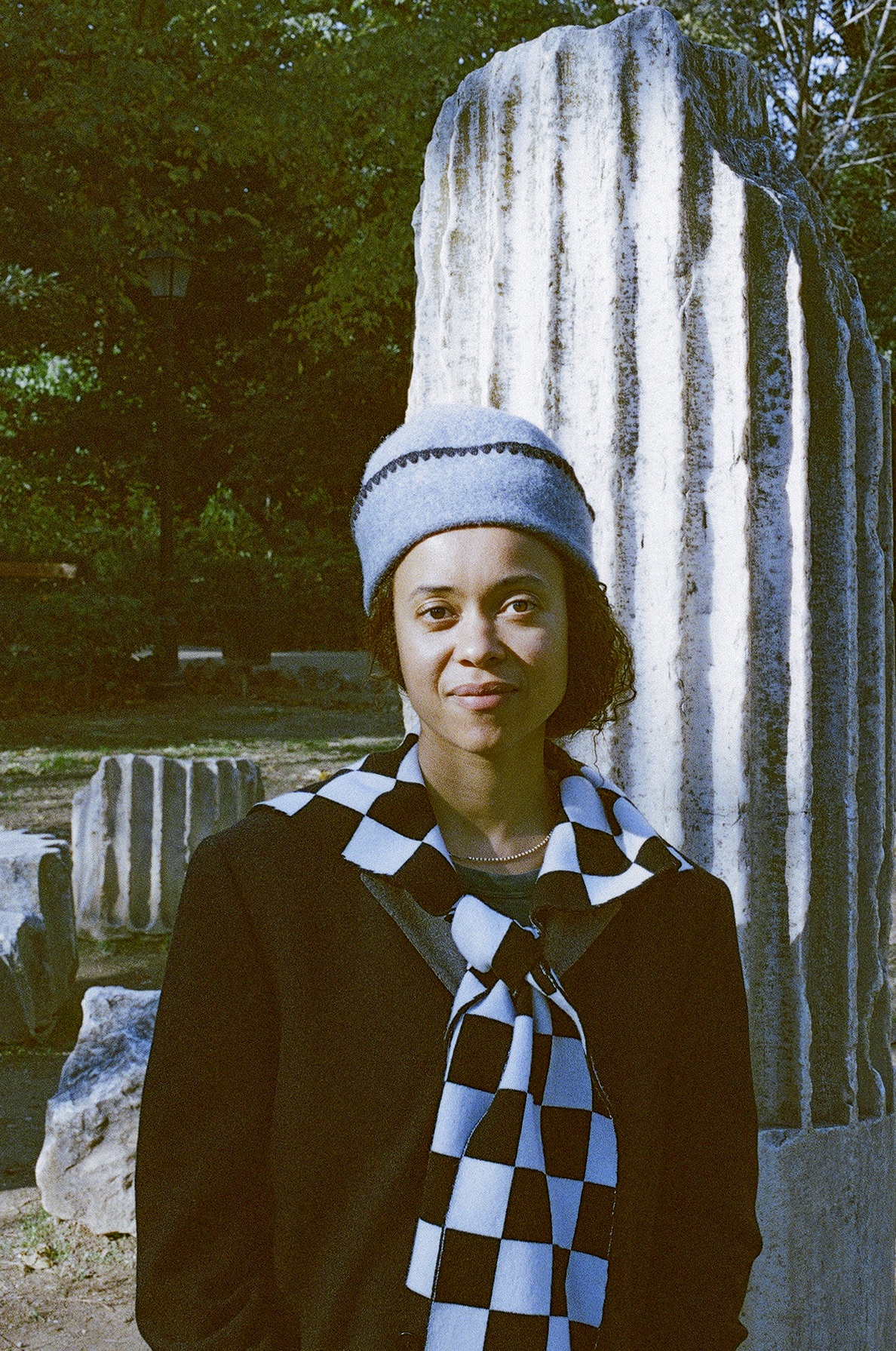
CS: Nostalgic. I like the crumbling sidewalks. Maybe the Athenians don’t like it, but it reminds me of Maputo. It has this sort charm that’s not so ingrained in Western essence. You can move a bit slower, so there’s time to think and embrace. I think it’s a healthy place for a creative to spend a little time. It’s passionate, poetic. And the Greeks are so hearty. Going to the National Gardens has been kind of a morning ritual. My daughter likes to play there, there are colourful parrots. It feels magical and whimsical, and reminds me of some of my paintings, while the ruins in the middle of the park are almost abstract and sculptural and just so poetic the way they’re placed.
ES: How was your stay in Shila?
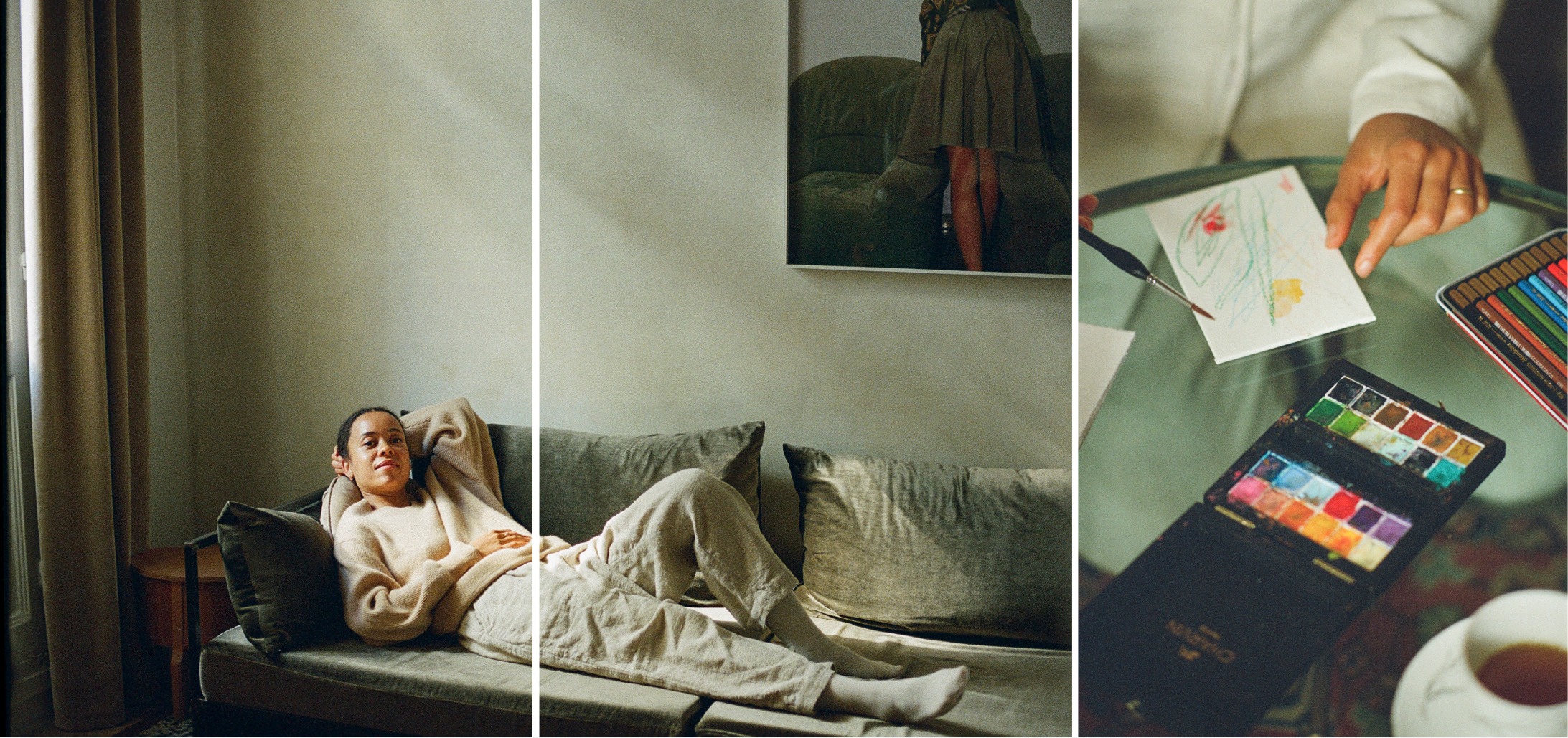
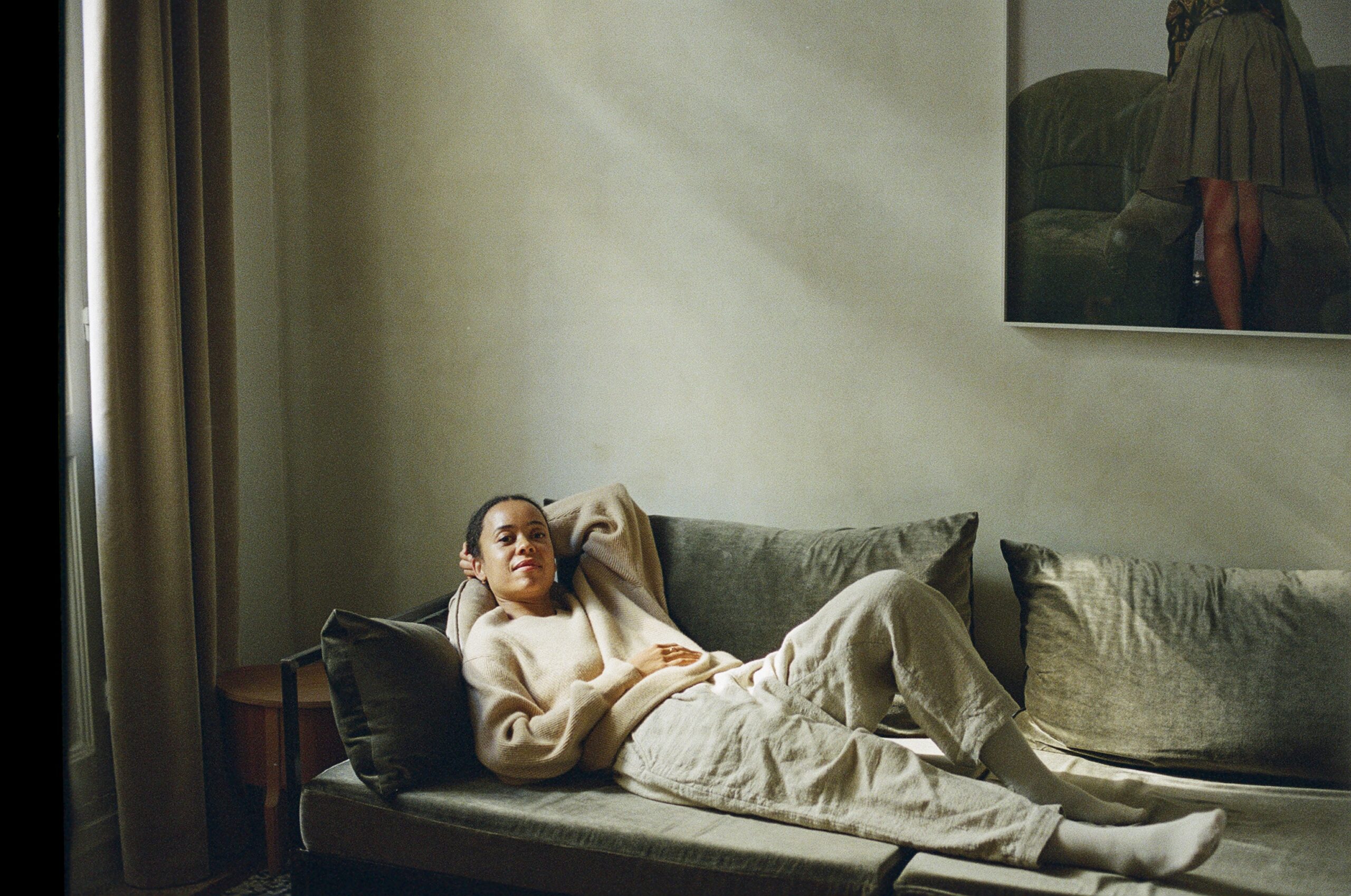
CN: It was intimate, like a home. After absorbing everything in the outdoors, returning to Shila felt refined and restful. The outside world quiets down. It’s a good space for imagining, creating, writing and dreaming…
MORE FEATURES