HOS: And then you opened “Caviste” (wine merchant) in the island of Syros. How did that come about?
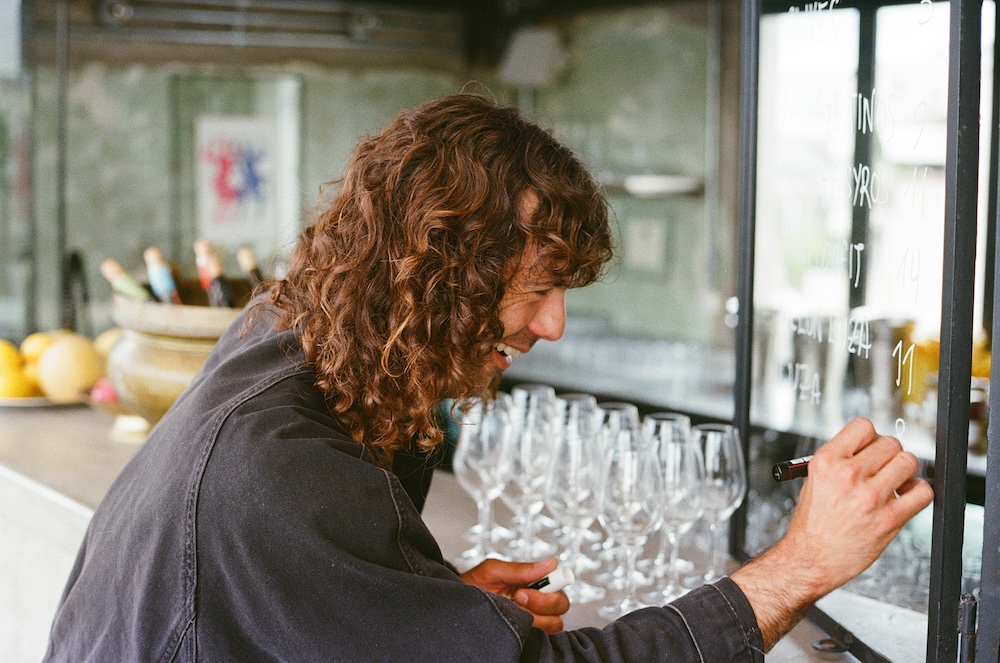
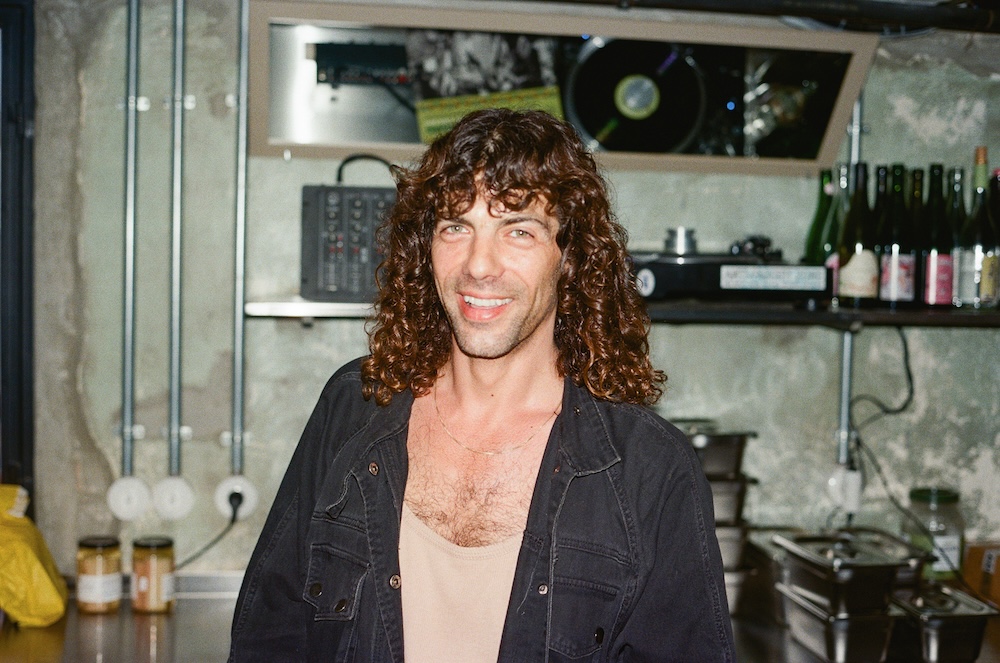
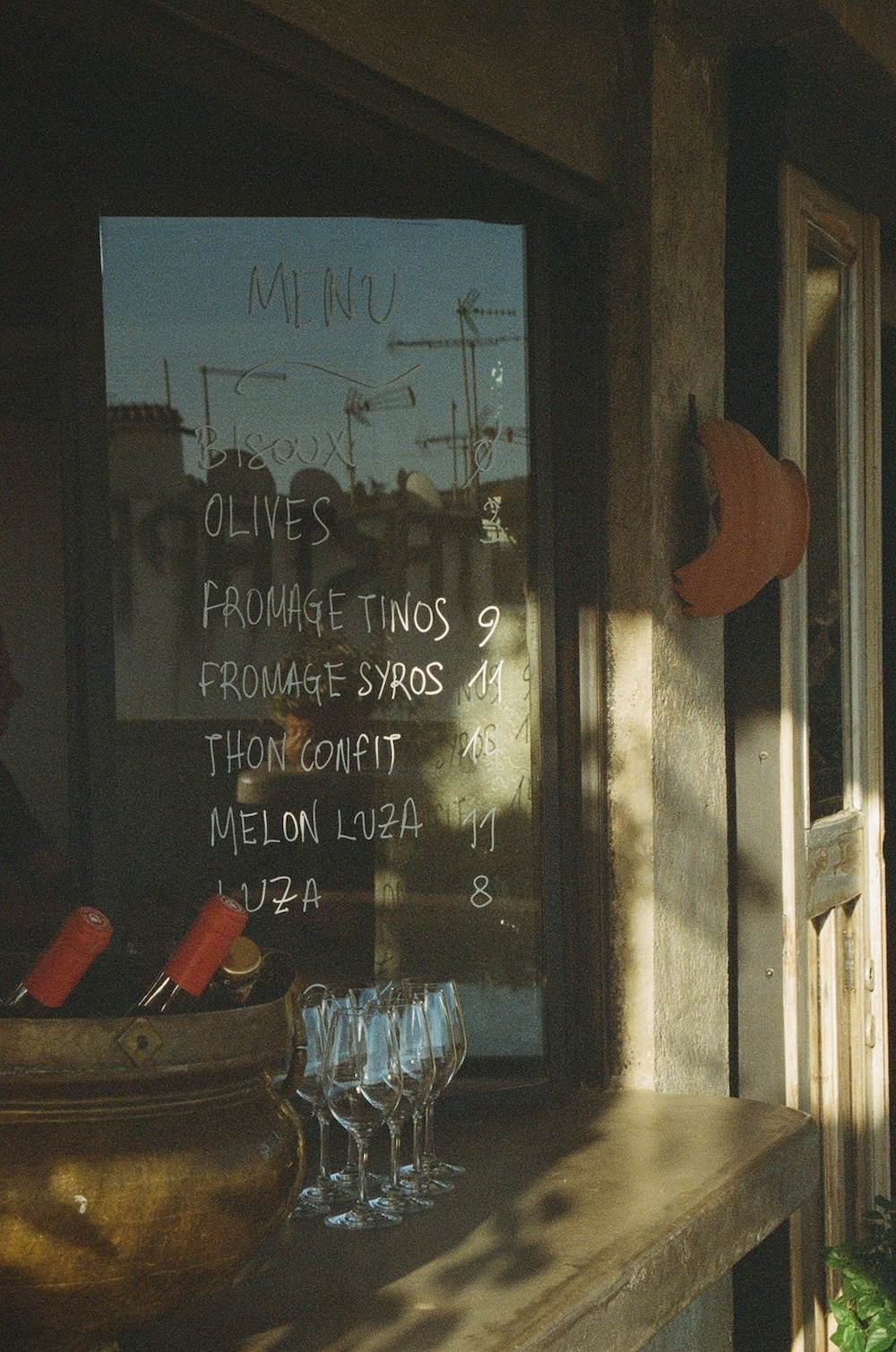
Returning from Paris to Greece, I changed islands from Tinos to Syros. This was the winter of 2022, going into 2023. By coincidence, I found this little place in a central market, a grain market. I began flirting with the idea of opening a bar in Syros. It was a low-risk decision. So, I rented the place, went back to Paris to train myself further and then I came back to Syros and opened it last summer.
I hadn’t had the experience of doing a full summer season on this island, but I loved the idea that I could have a bar and build it towards creating a community around drinking natural wine and taking on that challenge of being in a place where, while the lifestyle of drinking does exist – we are not so concerned with what we are drinking.
I wanted to build my business model towards a more cultural approach, providing information on drinking wines without sulfates. This is the concept behind all of what I do. To be an ambassador for people who cultivate here and support small producers. It is also a kind of DIY manifestation towards big industry standards. Having a little place that is manageable and small-scale gives you the opportunity to do that. It’s important because there are not so many locations in Greece that do that. Placing one more location on the map helps Greece become a destination for people who are searching for precisely these kind of natural wine, community-focused initiatives.
HOS: How would you describe your viewpoint as far as natural wines go?
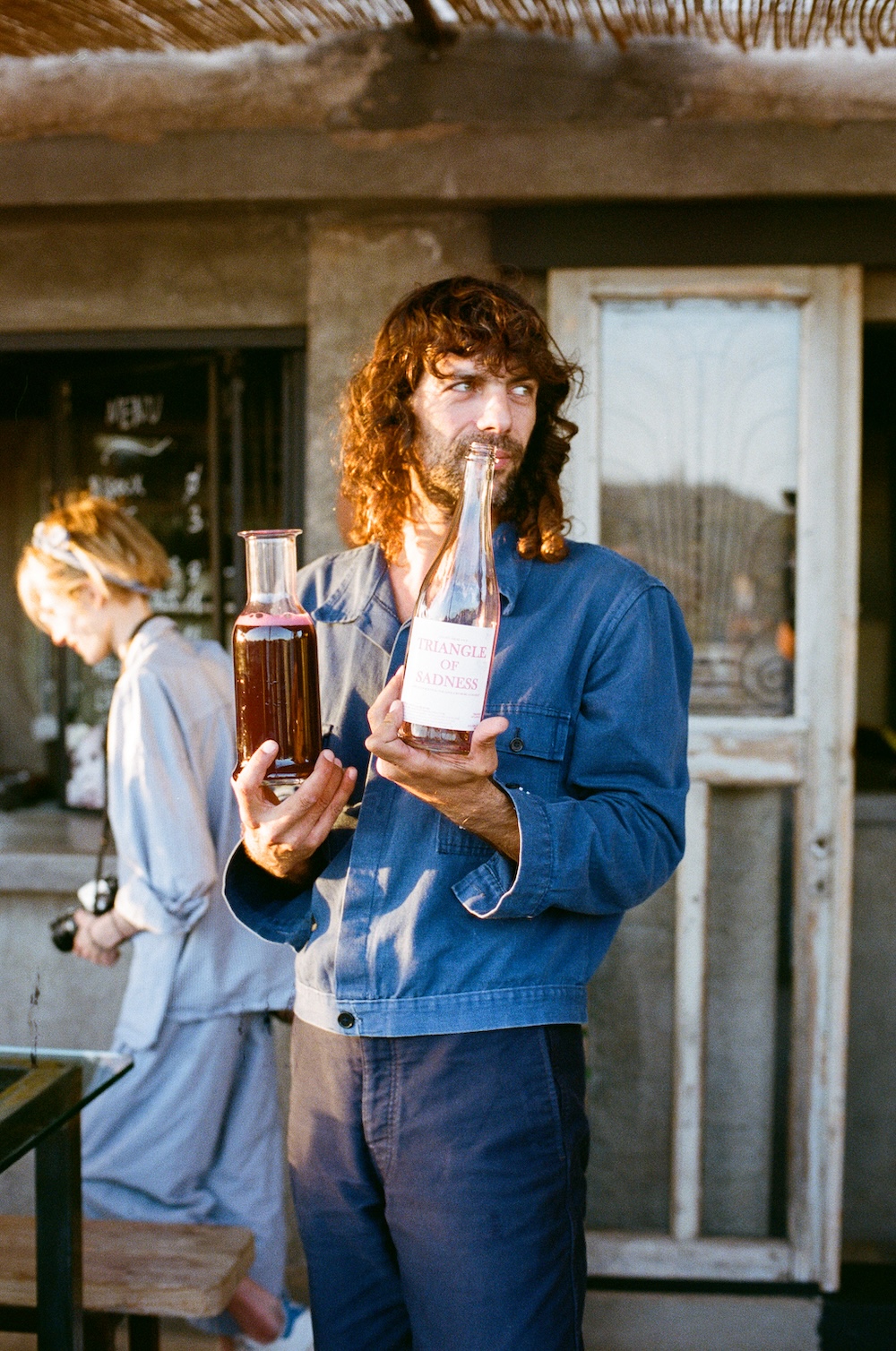
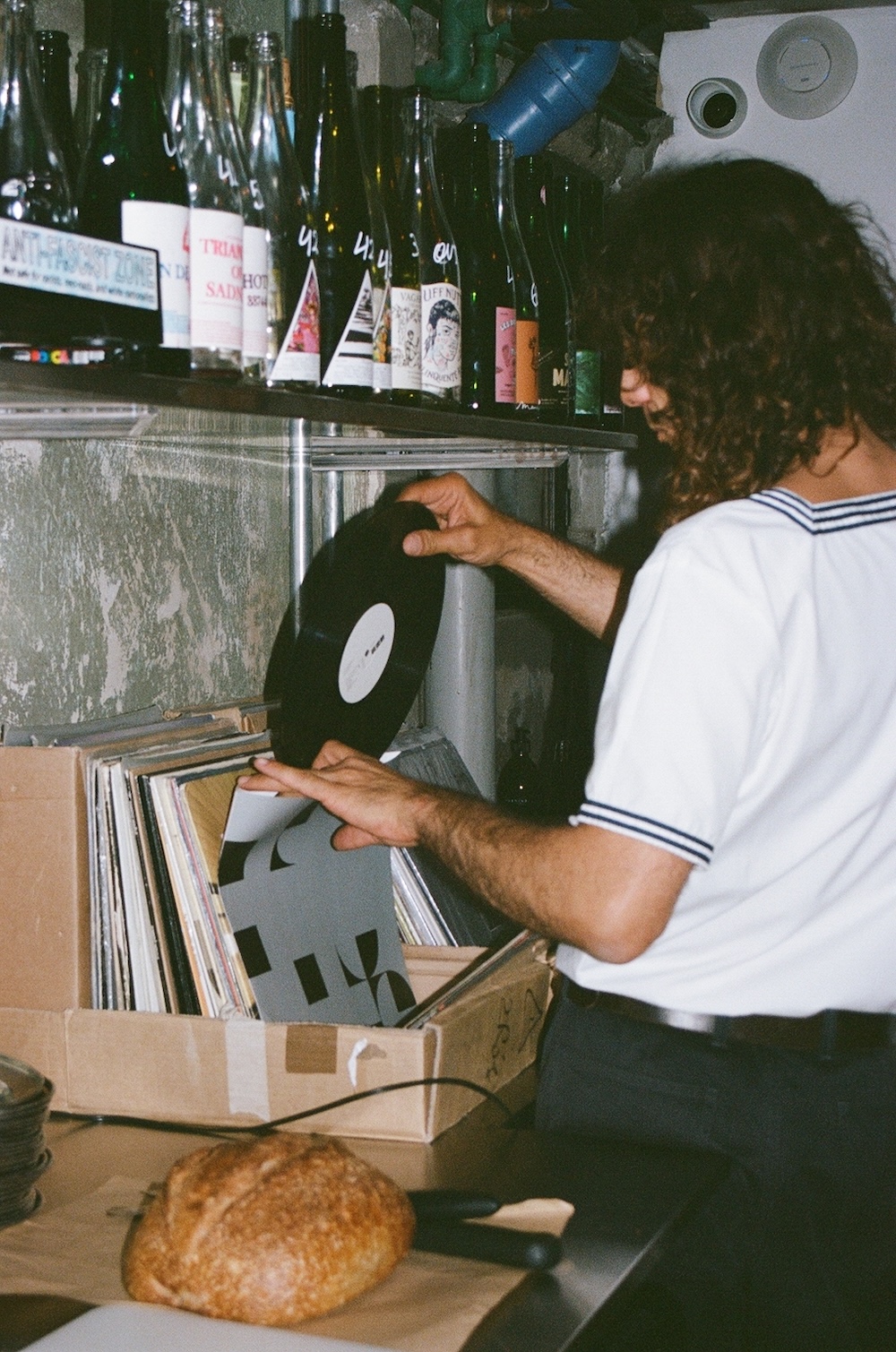
HW: I didn’t drink wine before 2019, until I tried natural wine. Natural wines are what made me become a farmer. It was a breaking point, even towards who I was myself. Being in that kind of situation, I feel the same way now as I did back in the 90s – being a musician, DJ, party organizer and record producer, distributing records and playing gigs live… Now I feel I’m in an agricultural rave! That I’m dancing again and it’s an agricultural dance and I need to be ambassador for it.
I must do pruning, harvesting, I have to bottle, and I have to distribute it. Retail means also becoming part of a larger community, which is very active right now. This is what motivates me. It’s a time where people are concerned about who is making the wine, and what the story behind the winemaker is. There is a growing understanding of how hard is to make natural wines and to support these little initiatives that save the world from a very capitalistic model. These communities are focused on cultivating the earth. That for me – is everything I need.
HOS: And how do you pick the labels you carry as a distributor? What do you think makes a great wine, and is there a recipe for good wine, or is it just subjective?
HW: Well, as far as you don’t put shit in it, and we’re talking about 77 different types of shit that you can put in the wine, we can call it natural. If it’s funky, if the glass of wine wants me to drink it – and because I have no patience to hold a glass of ‘gastronomical wine’ and consume it slowly – I’d like to drink it.
I like wine to move me. To make me feel the energy of it, to give me feeling, and ultimately, to be balanced. When you try something that really blows your mind and you’re engaged, as if it is the first time you hear your favorite band putting out a new record, back in the 90s. Like, I want this primitive feeling to be what I want to drink.
It’s not easy to experience this feeling often even though there are a lot of natural winemakers. However, as soon as let yourself being led by a wine via its taste and scent… suddenly you find yourself inside that glass. It’s you there. You start to get a sense of what you’re looking for. Right now, I am very much down this road, picking and choosing what I will distribute and what I, myself, want to drink. This is how I decide.
HOS: Could you tell us some winemakers you find inspiring?
HW: Jason Ligas. His vineyard is the north of Greece, in Olympus. I went to help him out while he was building his new winery, which is set in an old primary school. He’s a real farmer, a vigneron. He is one of my biggest inspirations of how a winemaker should be and the kind of spirit one should have around it – being noncompetitive, forming an open community, and serving while also having fun doing it. He has shown me how to not get ‘stuck’ in things like earnings, how to empower yourself through it in a way that helps others learn and exchange information. That is what we need right now.
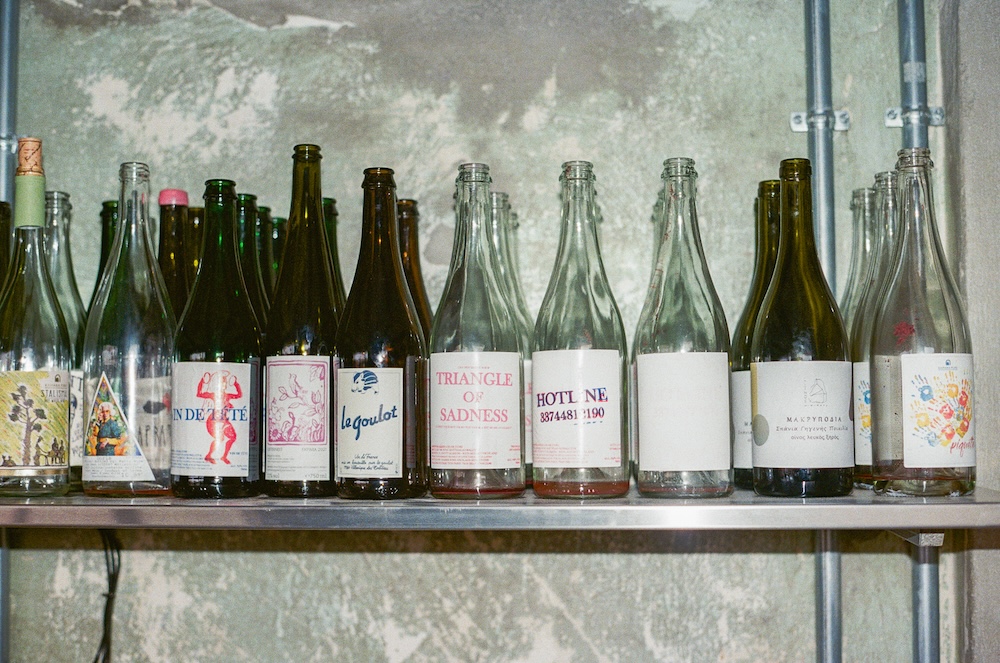
In terms of other wine makers, I am inspired by many young ones, from various countries, who have set up their life around wine, and work in ways that ensure they will save endemic varieties, without needing an industrial approach to it. I love German wines because they are very light. It is not so sunny in Germany, so the wines don’t have high percentages in alcohol. Names that are already in my portfolio include Kleines Gut, Naked Friday, Max Dexheimer, Andi Weigand, MK Wines, Marto, Vin de la Gamba and Kartla Wines. Hungary is very up and coming, Barnga Wines, Kolonia 52, Bence Birtok are three labels that I want to start working with in Greece. I enjoy following what they are doing and continuing to support them how I can. Also, Maurizio Ferraro and Tenuta from Italy and in the future more to come from France, Sweden and Austria.
Makers like this helped me expand how I can position and develop myself in the world of wine in a way that is different than in Greece, which I find a bit conservative and less open towards collaborations or providing space for newcomers to join the winemaking scene.
“When you try something that really blows your mind and you’re engaged, as if it is the first time you hear your favorite band putting out a new record, back in the 90s. Like, I want this primitive feeling to be what I want to drink.”