Full Width Scroll

Social Club at Mona Athens | Pop-Up Rooftop Summer Series | May 23rd, 2026 | See You There

air

Cassi Namoda

"When I was young, I thought art was all action. That I had to be productive. But it's not really about that. It's imagination. Or making the mistake and waiting for it to dry."


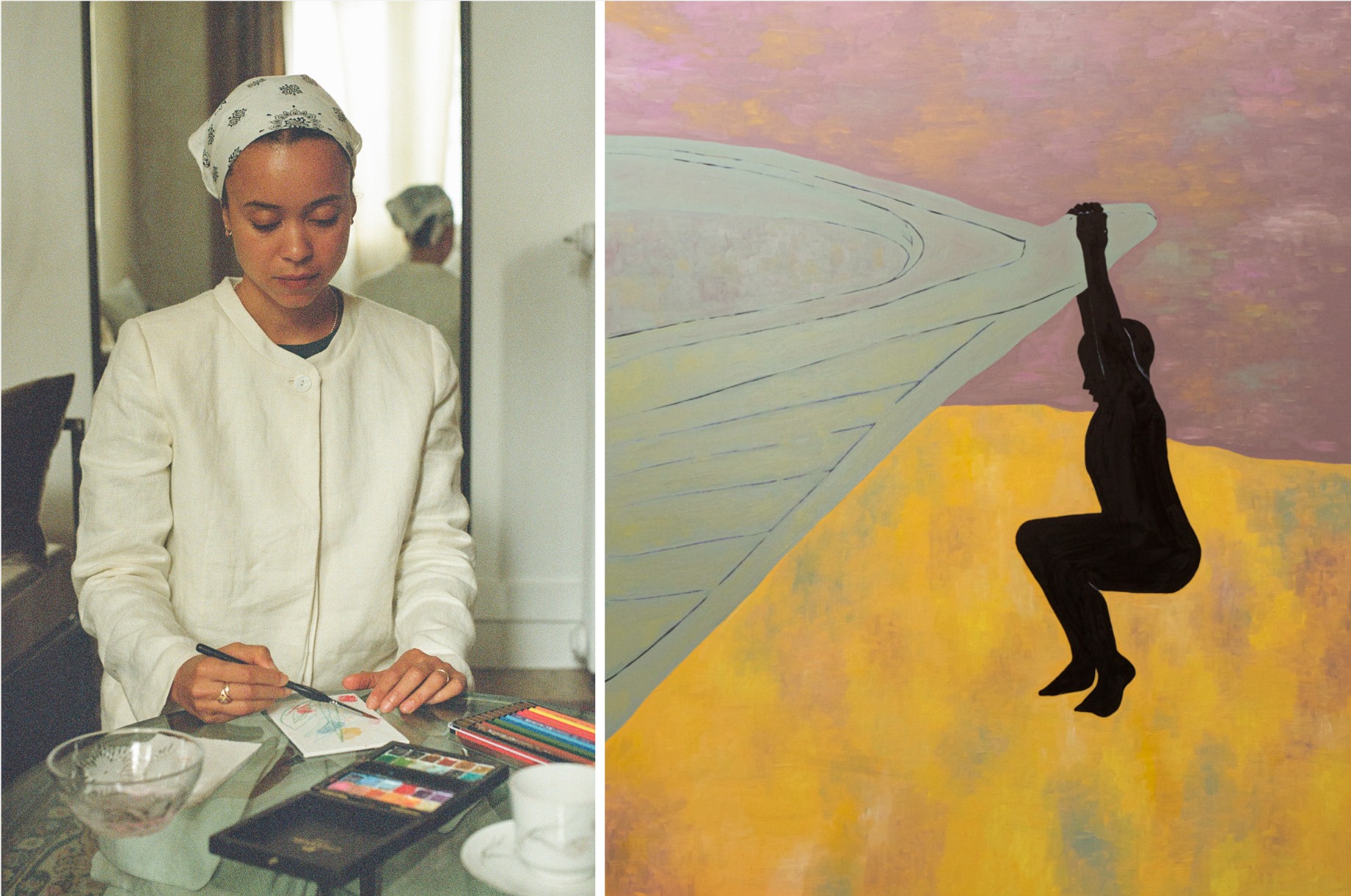
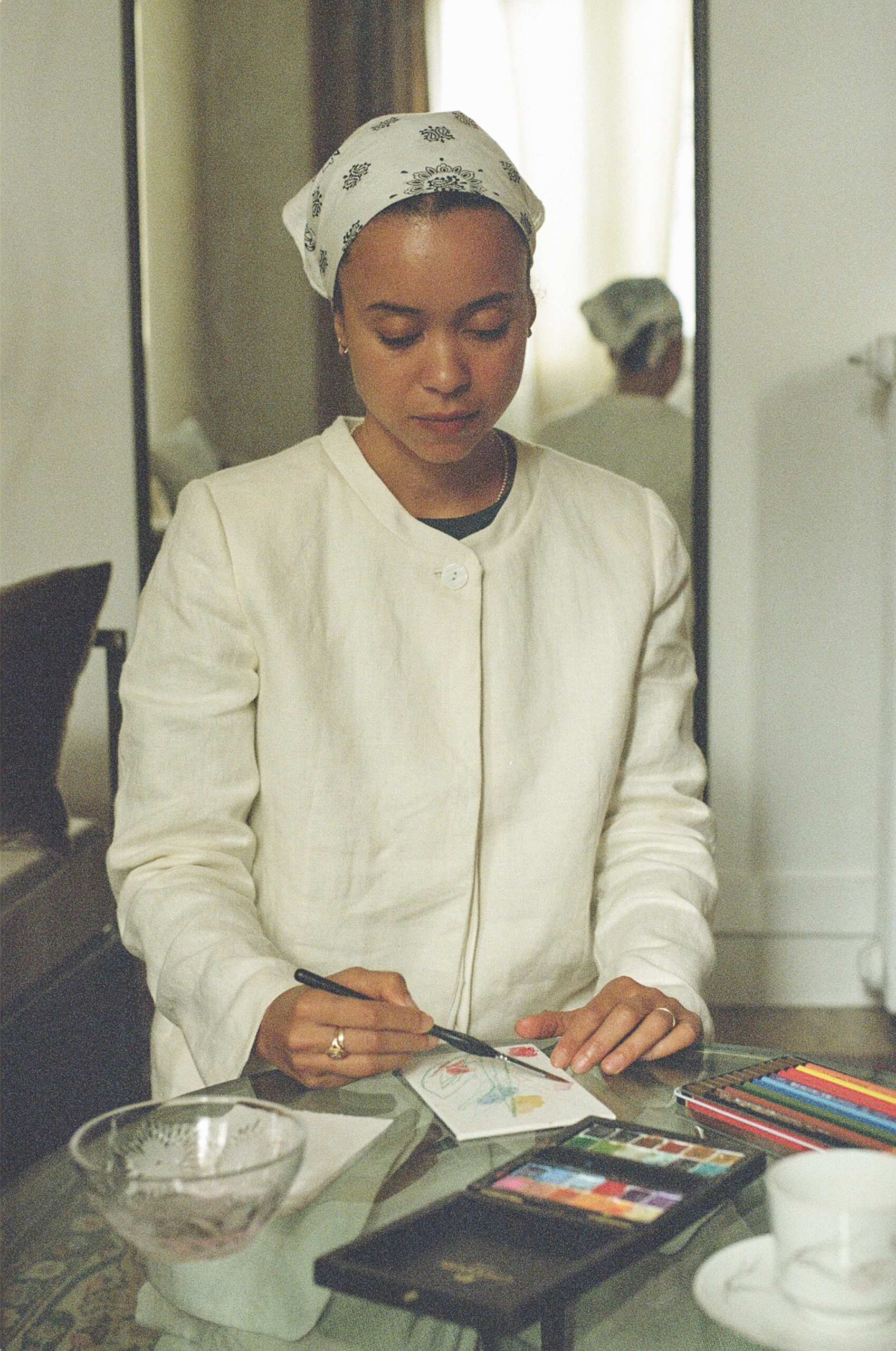
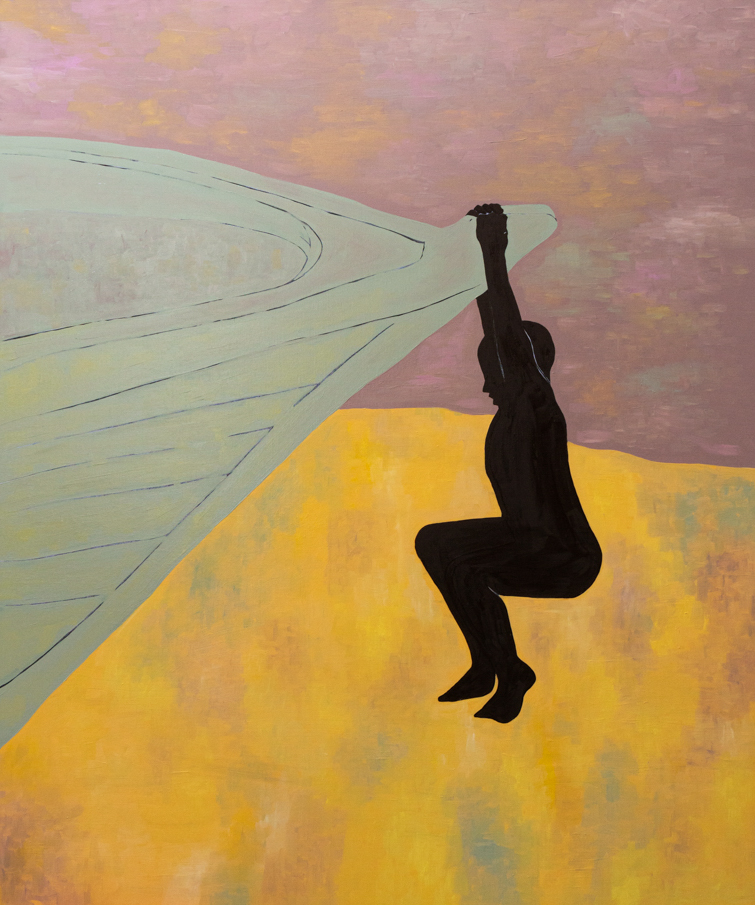
Moving between post-colonial memory, mythology, and lived experience, Mozambican artist Cassi Namoda’s artistic language resists fixed boundaries. In her paintings, colour becomes an essence, carrying personal histories into dialogue with broader cultural narratives. Shaped by a nomadic life lived across geographies and informed by cinematic sensibilities, Cassi’s work unfolds on the move; through intuitive storytelling, where figures and symbols drift fluidly between reality and myth.

Through the prism of magical realism, Namoda explores the complexities of mutable identities and belonging with poetic restraint. During her residency at Shila in Athens, the artist reflected on motherhood, the creative potential of getting lost, and the gradual release from inherited expectations of productivity.
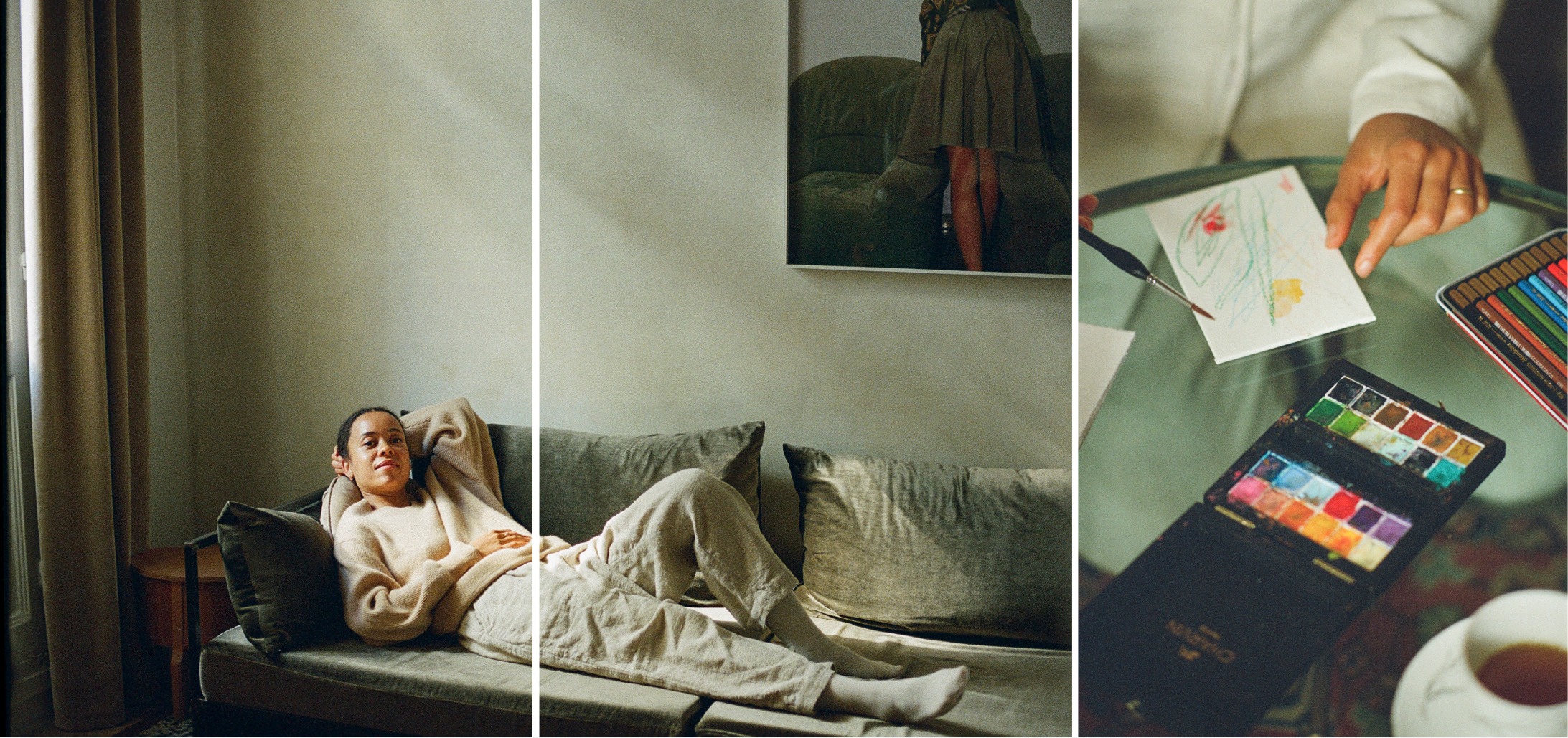
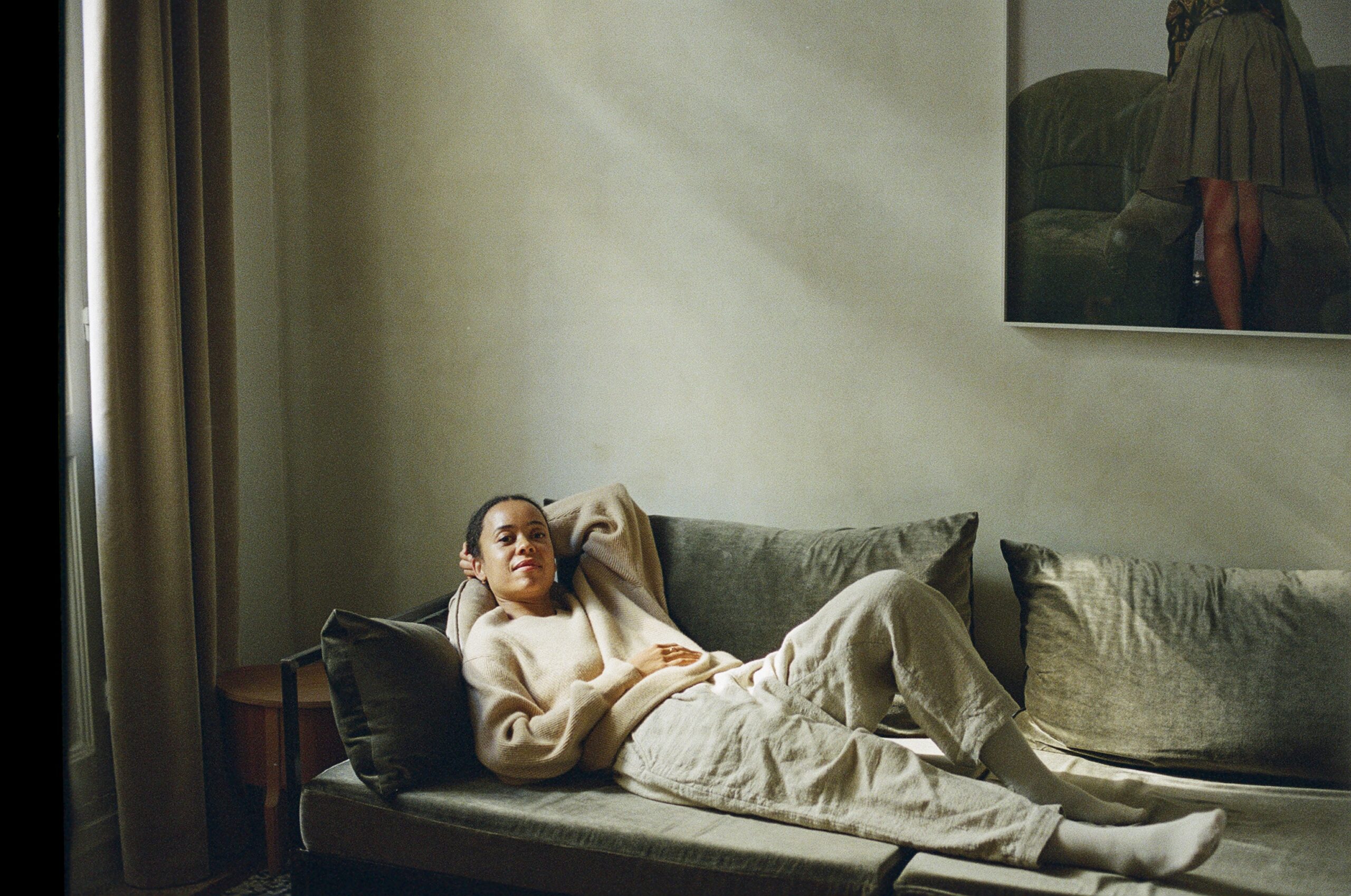
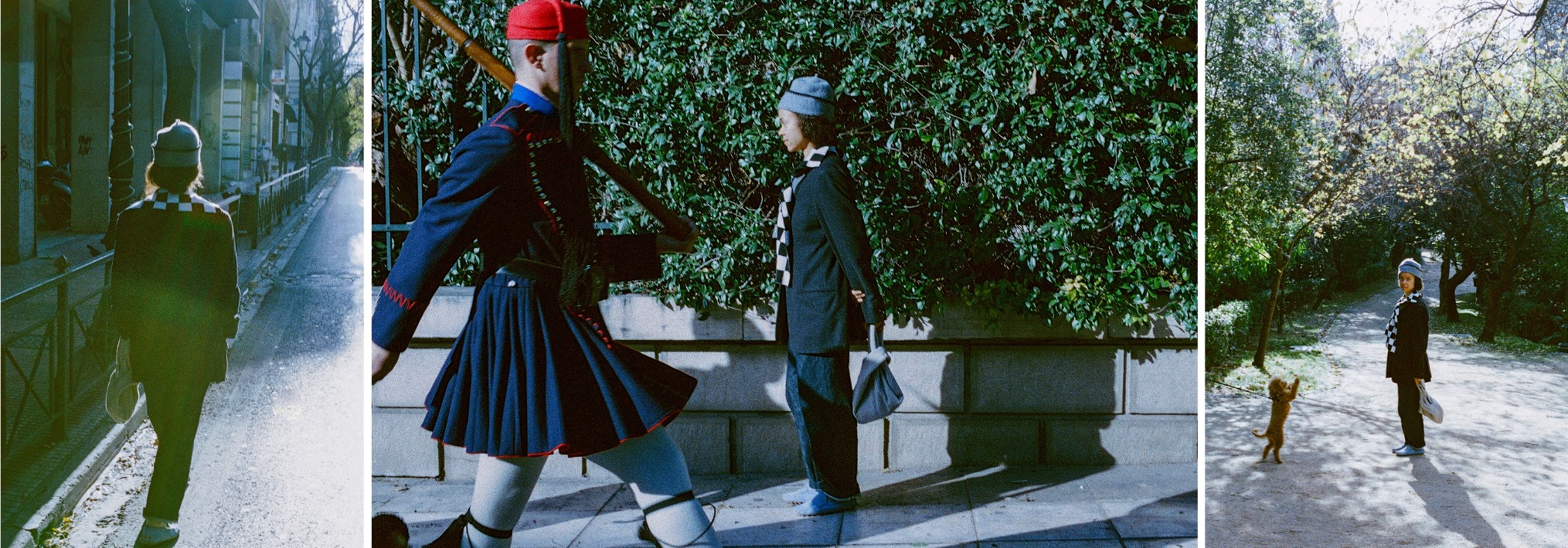
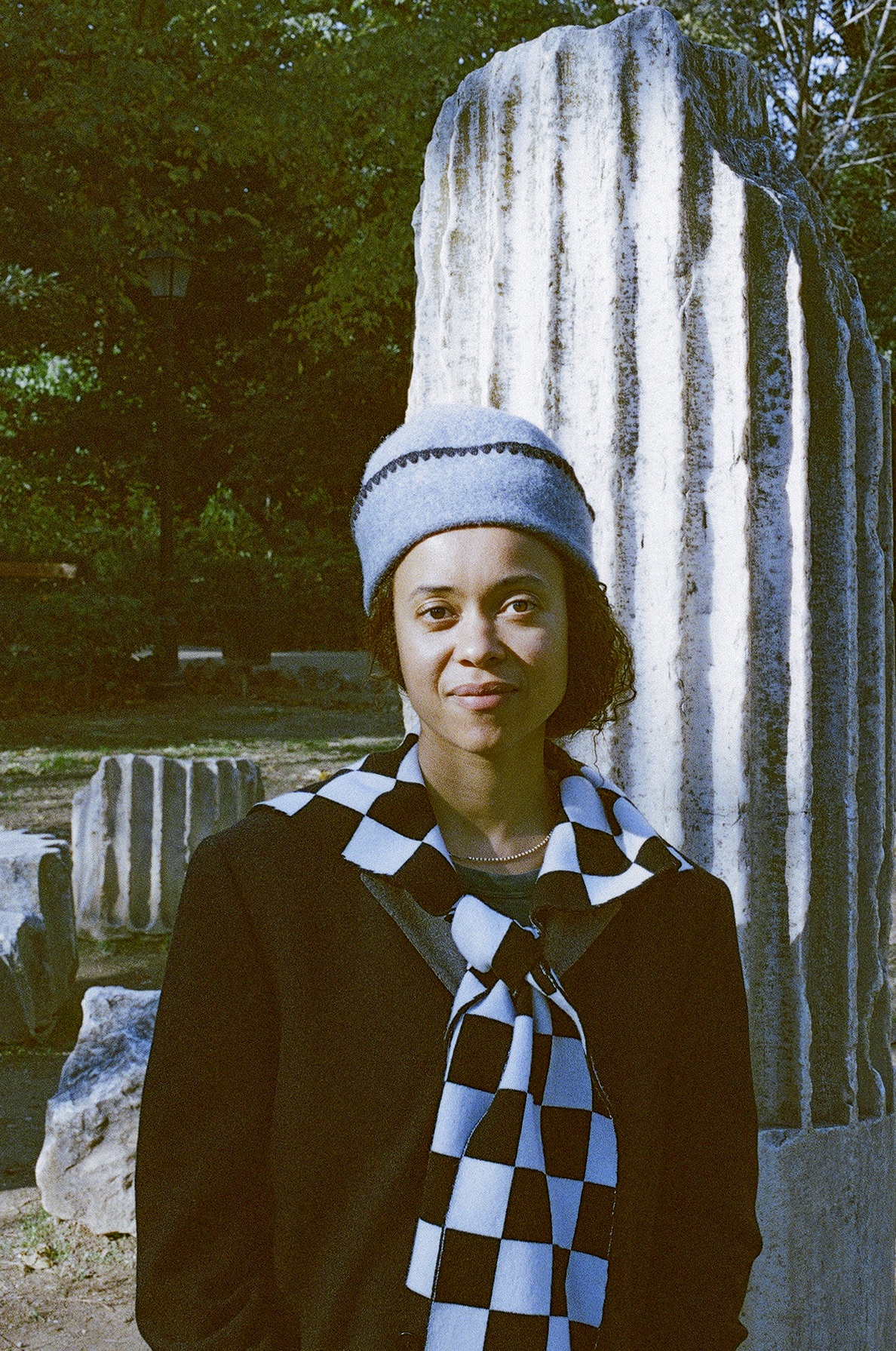
Interview & Portraits EFTIHIA STEFANIDI 

ES: Your upbringing spans multiple geographies, from Mozambique to South Africa, Europe, and the United States. Given your itinerant lifestyle, how do you define “home” today? 

CN: Home is a place of rest. It’s a place of respite. But, also, home is a place of ancestral soil. There are two kinds of homes for me. There’s the home that I long for. When I arrive there, I feel like I’m home. And then there’s home from gaining all the information, soaking it in and resting. 

ES: How did the experience of frequent relocation during your childhood shape your early perception of the world?

CN: I had a peripatetic upbringing, being conditioned from a young age to engage imaginatively with the world. You can travel all over the place and just sit at a hotel and not imagine anything, but you won’t get far. You have to have an imagination to engage with the world. That’s part of my DNA. I need the world. I need to be stimulated by people and cultures and smells and different sidewalks and different landscapes. These things brought me to painting. Imagination is a big part of how I relate to painting.


“There are two kinds of homes for me. There’s the home that I long for. When I arrive there, I feel like I’m home. And then there’s home from gaining all the information, soaking it in and resting.


photography by EFTIHIA STEFANIDI  

photography by EFTIHIA STEFANIDI
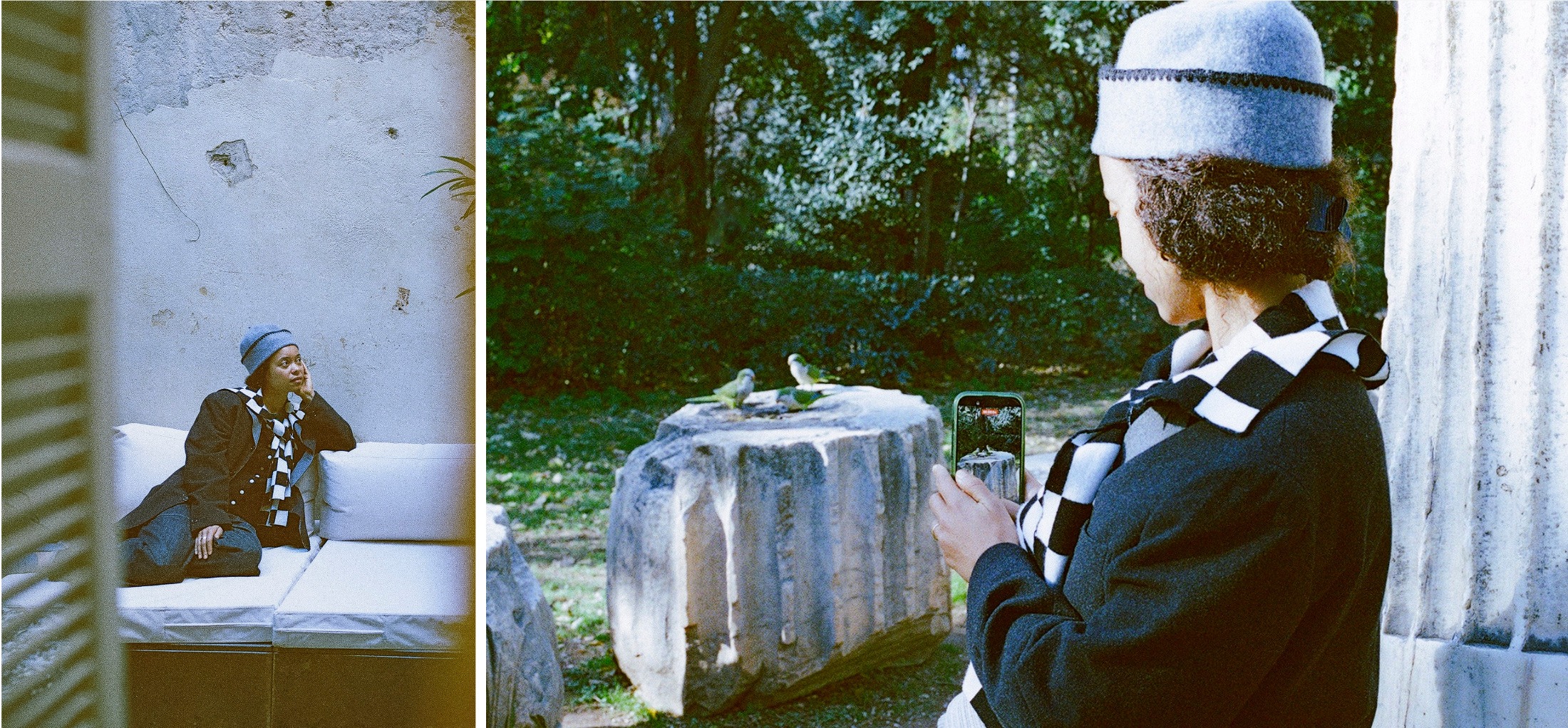
ES: You started painting in your late 20s. What drew you to it? Did you imagine from the beginning it would become your job? 

CN: I think life has paths already written out for us on this earth. I just came back from visiting my mother in Mozambique. She told me she remembers me coming back from school at around four years old, and while my sister would be playing outside, I would be at the desk prolifically drawing and painting. I think it was just a return to the source. Now my daughter does the same thing. She enters my studio, then she’s upstairs painting.

ES: It all started when you exhibited in L.A.

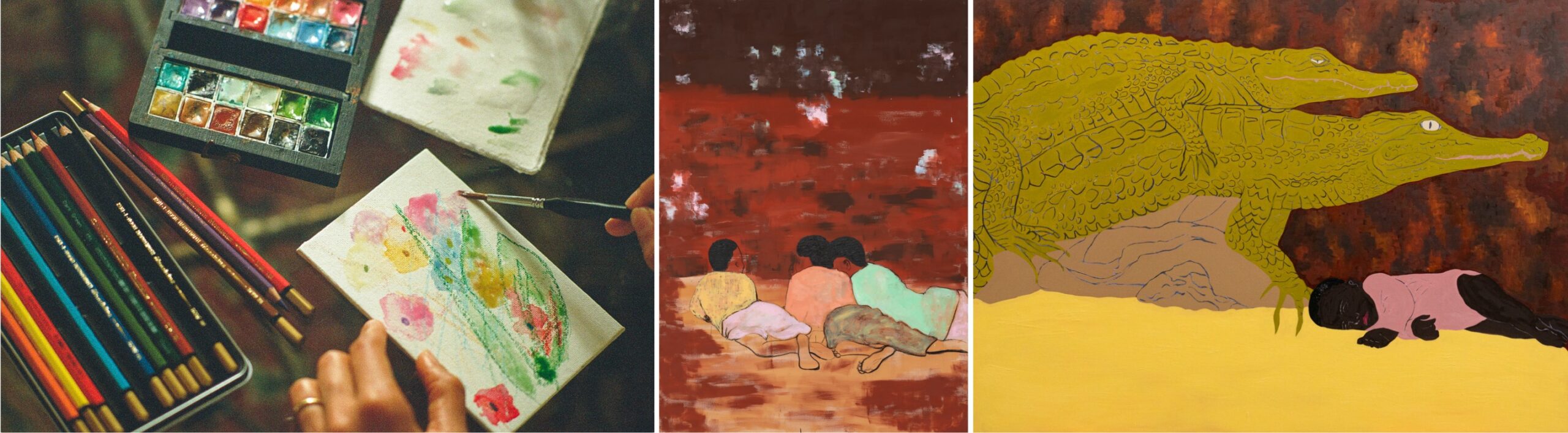
CN: It did, with small paintings. In my free time, I was painting memories. It was almost like journaling in naive watercolors. A friend saw one and wanted to put it in her living room. Then she turned her living room into a gallery. We called the show Island of Earth.


You can travel all over the place and just sit at a hotel and not imagine anything, but you won’t get far. You have to have an imagination to engage with the world.

photography by EFTIHIA STEFANIDI 

photography by EFTIHIA STEFANIDI 
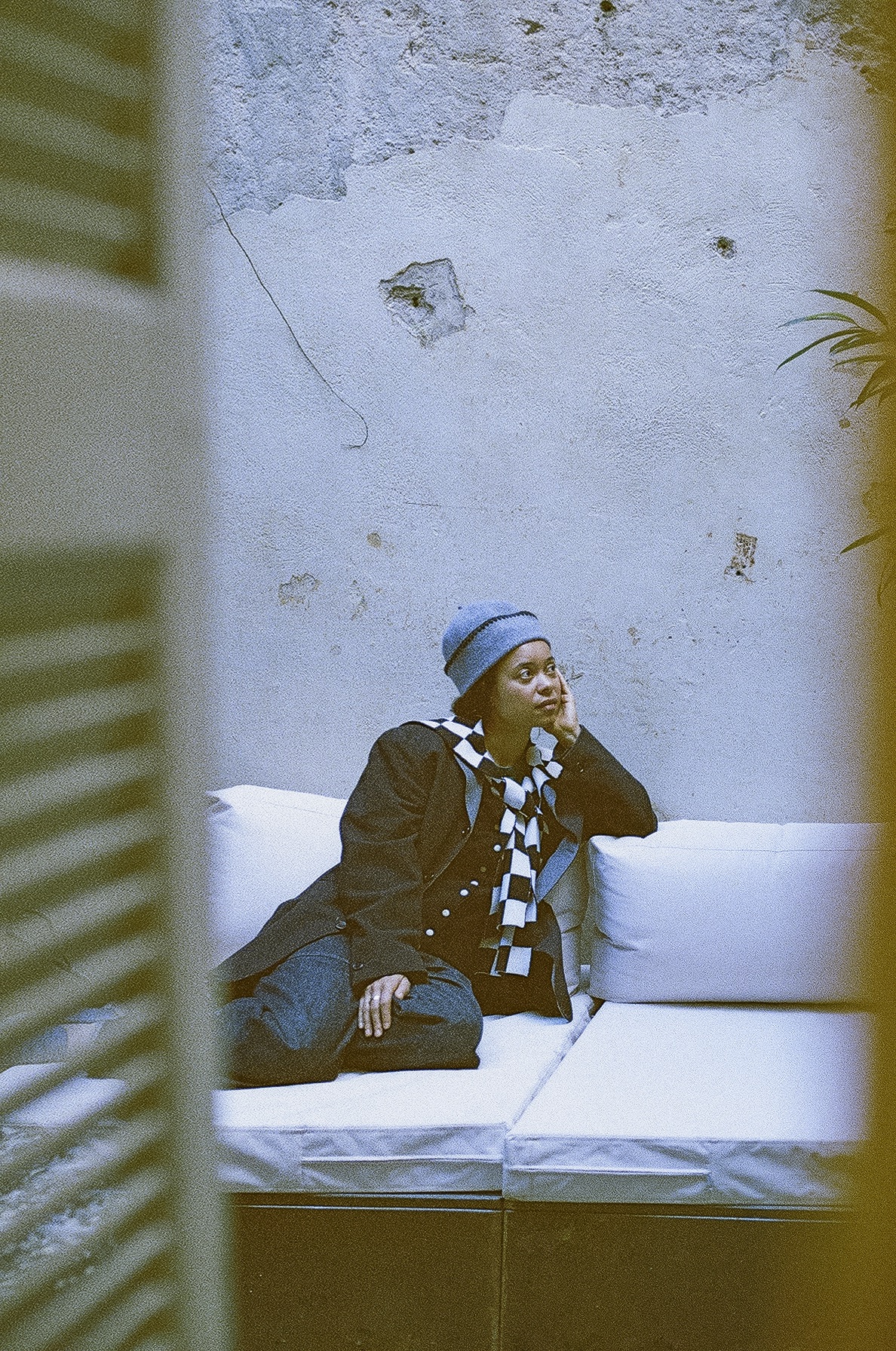
ES: Your work moves between personal memory and gathered stories. How do you allow these different layers to coexist within one image, without resolving them or translating them into something definitive? 

CN: In the beginning, I was painting from personal narrative. It was intense, but when you’re young, you’re interested in testing your limits, right? When I opened Bar Texas 1971 in Detroit, there were a lot of hidden messages in there, mixed with archive from the Mozambican photographer Ricardo Rangel. I was also painting straight onto the canvas, which was very different. Now my process is refined and it’s more about storytelling. The aura of the painting in which the narrative is told. Even if it’s not my painting, there’s shared essence, because these objects contain mythology, figures, animals… It seems like the painting is concluding in the world itself.

ES: Tell me about the political in your practice. Do you think an artist’s work needs to reflect the times? 

CN: My paintings deal with a post-colonial world, which is inherently political, but I’m also diplomatic. I don’t know if that’s for better or for worse, but there are ways to tell a political story while keeping it in the vein of painting. Especially when you’re doing figurative work. You can share a political point, but there needs to be a refinement and elegance to its construction. The Modernists touched on so many climatic 20th-century European problems while maintaining intrigue. It was interesting and evocative. Our artistic moment can be a bit too literal, so I try to create some sort of mystery in the way I tell stories. 

ES: Are there certain places you draw from on the mythological that appears in your work? 

CN: Africa. That’s where a lot of my storytelling sensibility originates. At first I was interested in film, when I was living in Uganda, but even prior to that, I was in Benin, where mythology and magic is heavily present there. I would also spend summers in New York, where I was lucky enough to be around many women filmmakers. My next-door neighbor was Mira Nair. There was myth there, and it all felt interconnected.  


You can share a political point, but there needs to be a refinement and elegance to its construction. […] Our artistic moment can be a bit too literal, so I try to create some sort of mystery in the way I tell stories.


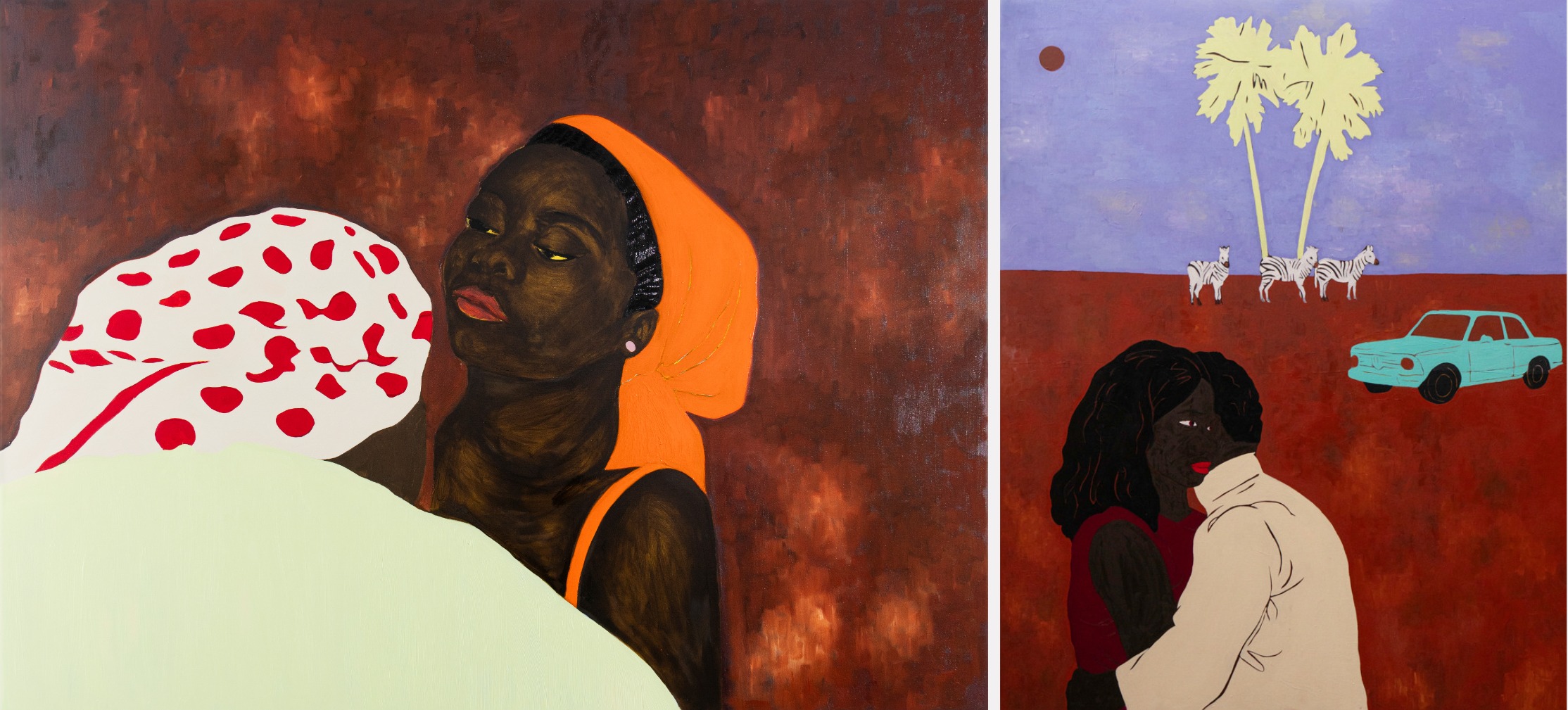
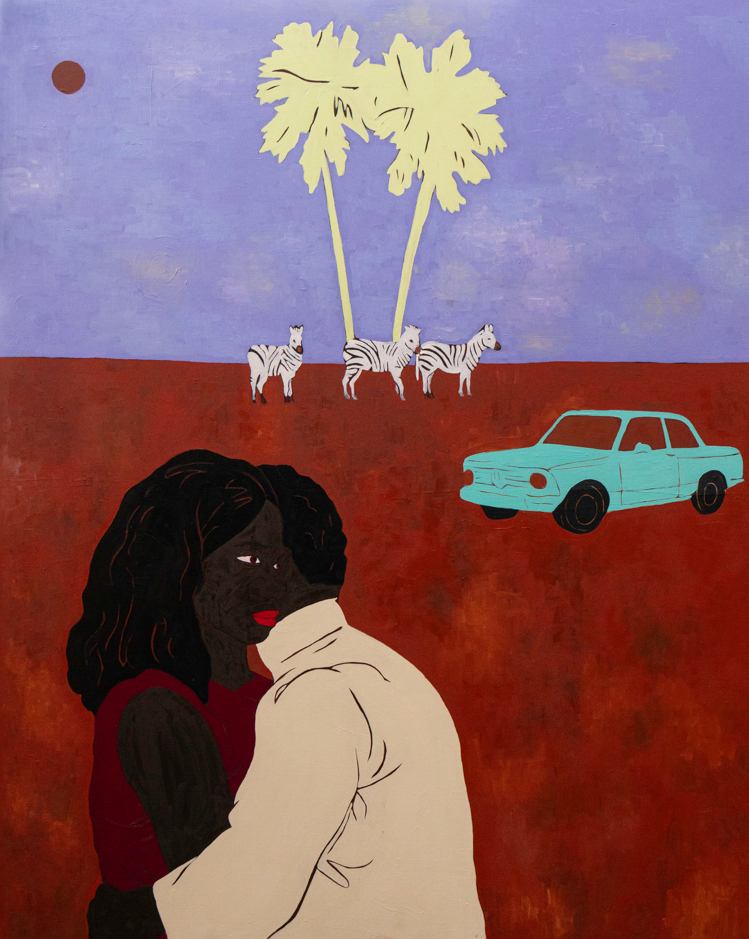
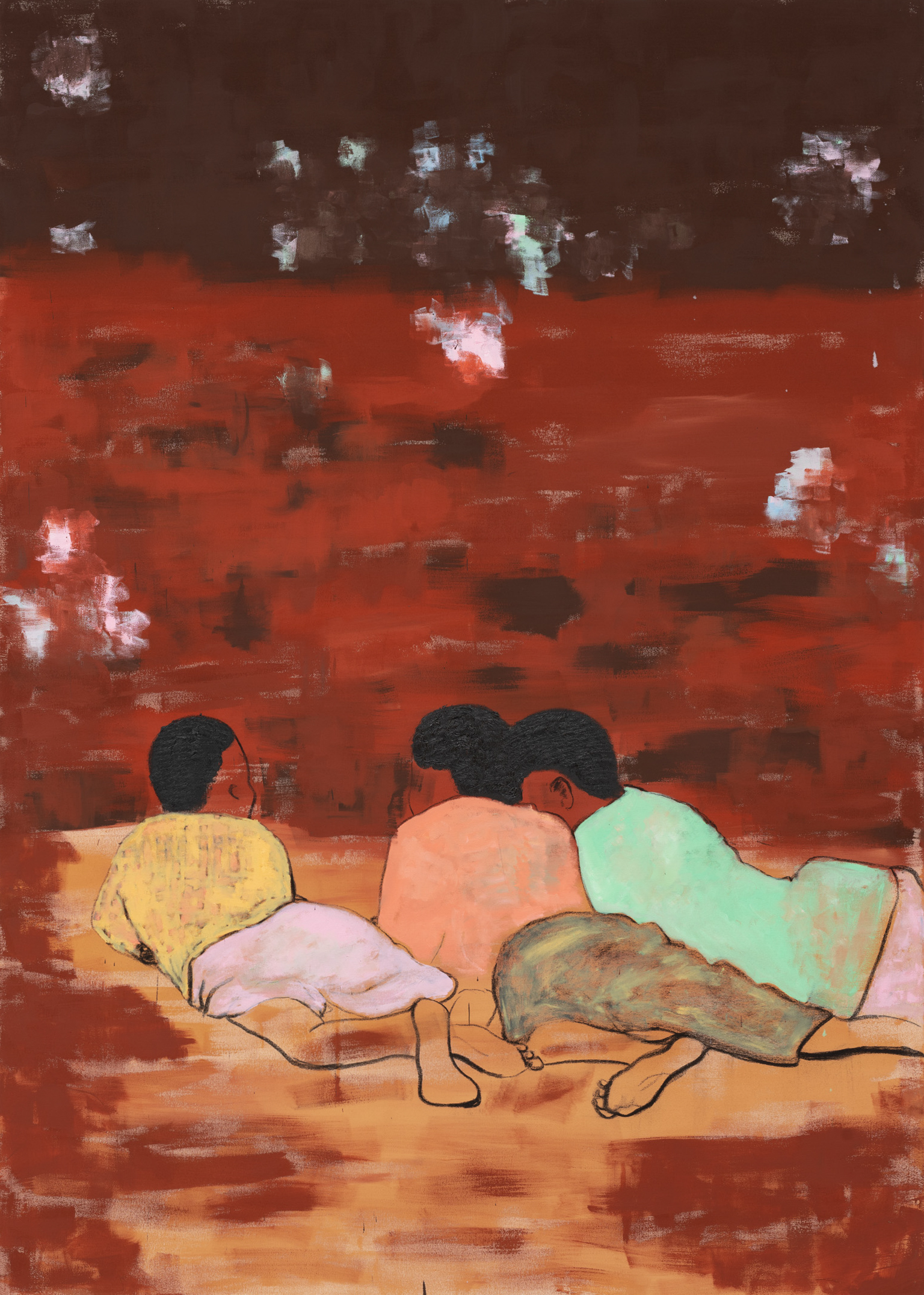
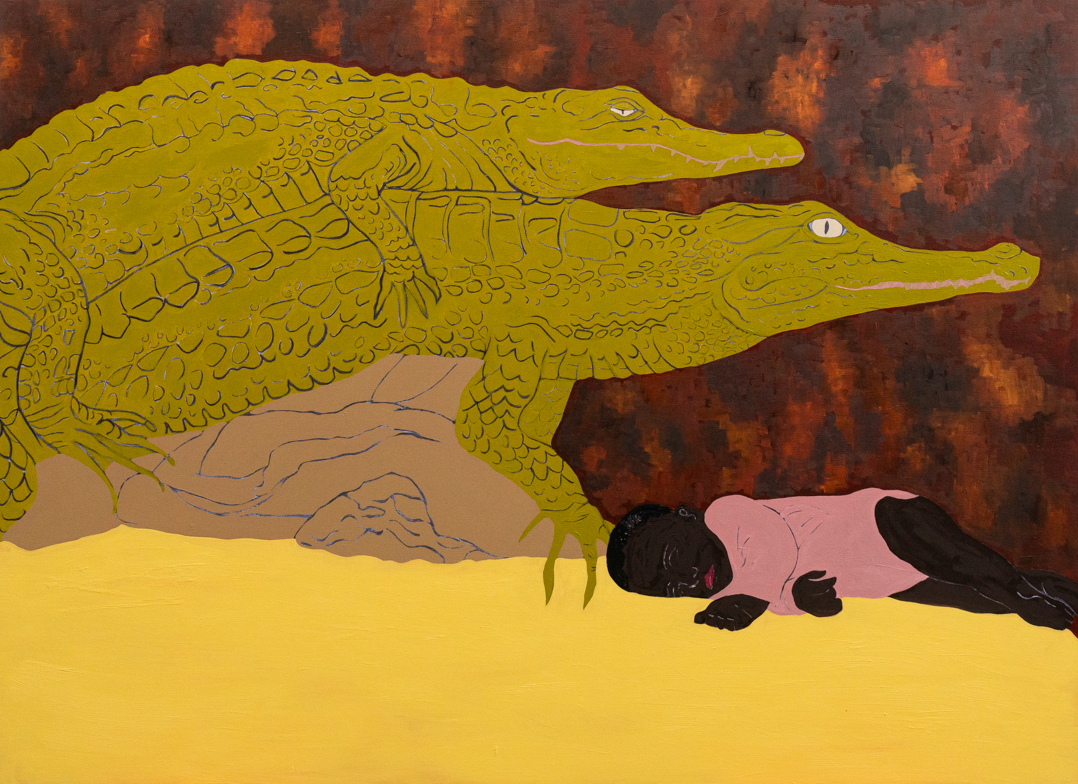
artworks by CASSI NAMODA  

artworks by CASSI NAMODA

ES: You once said in an interview that you felt ‘pregnant with ideas’. Has that sentiment changed its significance now that you actually have a daughter?

CN: Maybe. Feeling pregnant with ideas means that I’m in my studio at awkward hours like 3 a.m.. Something pops up, I open the book, travel here, go there, gestating all this information. I’m acting upon the urge. That could be a really prolific, great thing, or it could also be a waste of time. My practice has changed since then. It’s slower, piece by piece, which is the flow of life. It also relates to age and maturity. There are different seasons for everything. Maybe when my daughter’s grown up, it will be even more different.

ES: How has having a child affected your work? 

CN: My daughter, Arafa, is almost two years old. At three months old, she was wrapped in a little rainbow sling and I was painting with her. I never really took maternity leave, for better or for worse. It’s been a fascinating journey approaching painting studio practice with her. She’s taught me adaptability, flexibility and patience. She’s enhanced my artistic practice. Being in the studio seven hours without a child, you’re being indulgent. Smoking a cigarette, drinking wine, doing the artist ego thing. But when you’re in the studio and you only have three hours, it’s much more intense and profound. You’re really choosing to be in the moment. Arafa taught me to embrace being in the moment and to sit with paintings in a more eye-to-eye way. In the way I connect with her. She’s constantly reminding me, this is where it’s at.

ES: Tell me about your studios over the years. 

CN: My first studio was literally a briefcase with works on paper. Then I moved into a small little apartment on Jefferson Boulevard in LA, then to South Los Angeles to another garage. People didn’t know what they were entering, because you would have to access via this alleyway to get to a small hand-painted sign that read “Nomoto Studio”. They were brave to come! Later I found another garage in the Hamptons. It had this sort of apartment inside. A bit funky, but everyone needs a funky studio at some point. When the world became very hyper after COVID, the Hamptons started to feel unnatural. I thought that the Berkshires were going to offer me something more interior. So I moved to this grand 5,000 square foot studio above a dance school. It had three fireplaces that sometimes I lit all at the same time. Every weekend, I would shut my phone off and leave New York with two hundred books, pack them in my car, to get to that studio. I think I was already in some ways abstracting myself from market needs and wants.

ES: How did you navigate at the time the pressures of being prolific, to a slower pace of life and work?

CN: Eventually, the pace of everyone I worked with aligned with how I wanted to pace myself. I also got pregnant and instinctively I felt I had to come to Europe. So I moved to Italy, and, of course, before finding a place to live, I got a studio in Biella. It’s a really beautiful 200-year-old leather factory, an old Shaker-style house with vaulted ceilings. Very dramatic and romantic. I don’t know how long this moment will last, but I feel like every few years there’s a progression, so we’ll see. It keeps getting better!


[When] you’re in the studio and you only have three hours, [you’re] really choosing to be in the moment. [My daughter] taught me to embrace being in the moment and to sit with paintings in a more eye-to-eye way. In the way I connect with her. She’s constantly reminding me, this is where it’s at.


photography by EFTIHIA STEFANIDI  

photography by EFTIHIA STEFANIDI
ES: How would you describe your paintings?

CN: I like my paintings to exist in the realm of magical realism, while also touching on personal history and narratives. When I think of heritage in Mozambique and much of Lusophone Africa, there’s a magical realist undertone to storytelling. 

ES: You have a strong relationship with colour. 

CN: Colour is a large part of how I approach the identity of the work. It’s the first thing I arrive at, and where the story starts to unfold. I let it guide me. Does a red have to be hot? I like to approach pigments at a slant. Maybe I’ll put a cold red with a warm blue. I’ve been painting with ‘lagoon blue’, a shade that reminds me of the sea in Mozambique. That’s the exciting thing about colour, it’s sensorial. We can all feel something.

ES: Do other art forms, such as music, play a role in the process? 

CN: I used to listen to more music, but not so much lately. Every time I work now, I need intense focus. I’m not a single person anymore, spending 24 hours in the studio. I’ve always been into classical jazz or spiritual music. If I do turn it on, I’ll do so after the painting has revealed itself. Then I follow the music. Whatever it is. Sun Ra, Miles Davis, Pharoah Saunders, Emahoy Tsegué-Maryam Guèbrou…

ES: I like that, it’s like a celebration for the painting taking shape! How do you know when a painting is finished?

CN: Arriving to the studio and sitting there to look at it. When I was young, I thought art was all action. That I had to be productive. But it’s not really about that. It’s imagination. Or making the mistake and waiting for it to dry. The most difficult thing is to know what you want. I think more artists than not say you shouldn’t know what you’re doing in the studio. But I don’t know if I completely agree with that. You should know what it is you’re trying to approach, but how you get there is the interesting part. 

Art takes reflection and time. I give it space. Some of my paintings sit there for a year or longer. Now I’m in the process of embracing the paintings I initially disliked or gave up on. I want to become familiar with being uncomfortable. There’s clarity in floating with the unknown. I also want to return to a moment where I was lost.

For young artists trying to find their voice, failure is a good thing. You have to be comfortable with making something that’s not what you’d planned. Within the confusion of whether or not you’ve arrived at failure, you can also find triumph. It just takes this willingness to explore. Artists need space and time to really wreck things.


photography by EFTIHIA STEFANIDI

artworks by CASSI NAMODA
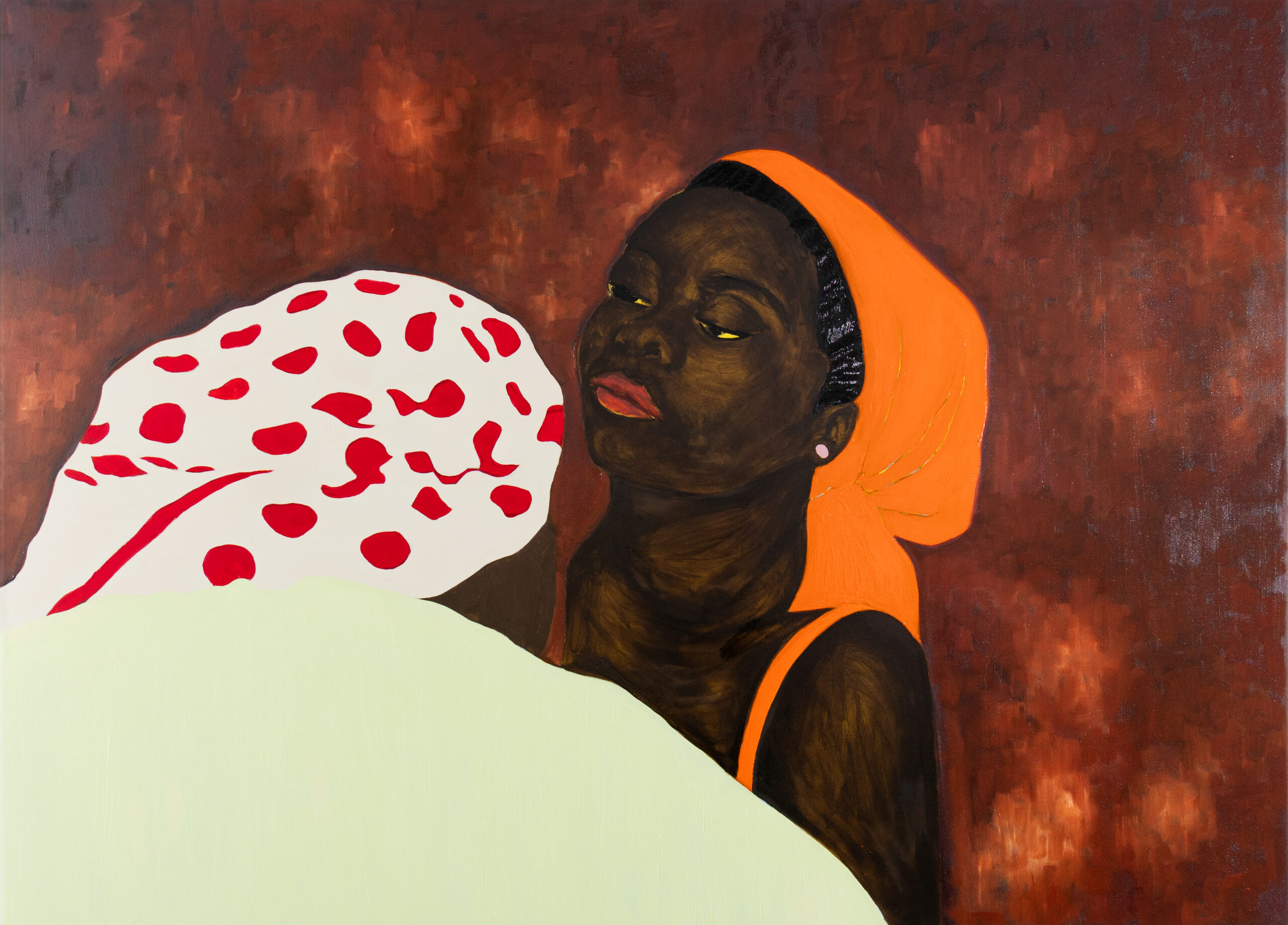
 photography by EFTIHIA STEFANIDI  &  artworks by CASSI NAMODA  
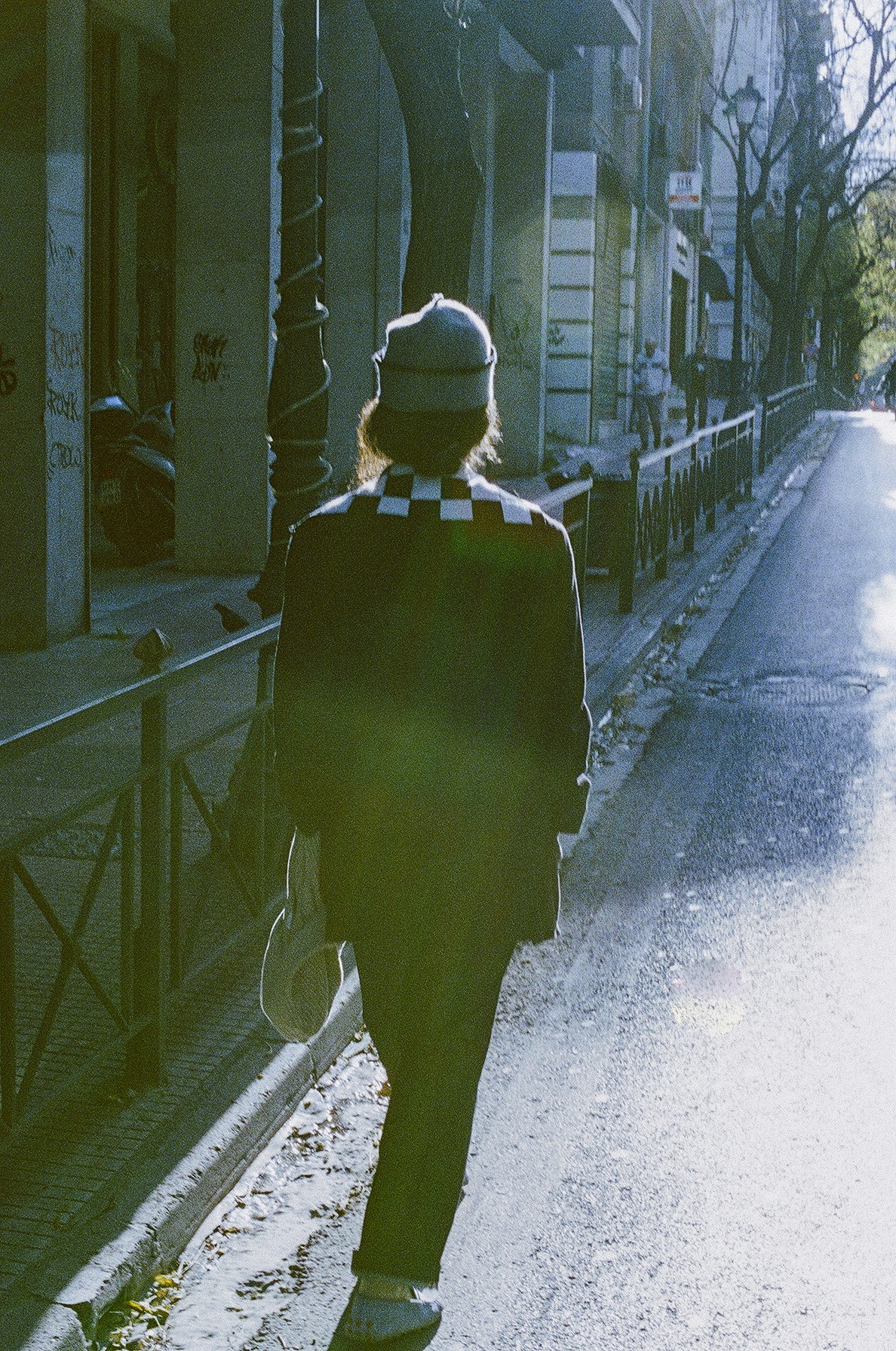
ES: Did you have any mentors?

CN: Yes. Haile Gerima, Bradford Young, Billy Woodberry, Khalil Joseph, Nzinga Knight, Henry Taylor… When I was in L.A. artists spoke to each other more. It really was like a school. Once I arrived in New York, this wasn’t a thing. Each artist was on their own. I never felt like I could be vulnerable with another artist there. 

ES: How do you respond to criticism?

CN: I like to keep ego away. If someone tells me something sucks, it’s cool. I want to know why. I think critique from those who’ve done it longer than you is important. It’s such a gift if you have that. 

ES: That’s quite rare, no? Artists are known for having a bit of ego.

CN: All the artists I know have egos. Maybe I’m the only one that loves critique. After my first show, I called a trusted curator friend in Brussels. I asked what she thought of it and she told me she didn’t like it. I was shocked, but I was also interested. Even if it hurt a little bit, I sat with it and tried to understand, because she’s older than me. She’s been around this work longer than me. What could I take away from this? Whether or not I believe it to be true, there is beauty in acceptance. Not everything is loved. It’s a healthy relationship to have towards work.

ES: Do you think of your art as a legacy? 

CN: When I think about legacy right now, I think about my kid. ‘Does she like it?’ Heritage also plays a role. I may be coming from Mozambique and telling a Mozambican story, but identity is complicated. When I approach painting, even if I’m telling a story that’s inherently from the essence of a place, I’m still looking towards a universal approach to storytelling. I’m looking for interconnectedness. I just want to make painting with love and diplomacy and selflessness and that’s it.

ES: If you could only save one artwork of yours, which would it be?

CN: My early work. It is raw and special and honest. There’s purity in the honesty. It’s uncontaminated. My kid is making paintings now. I’m going to save these.


When I approach painting, even if I’m telling a story that’s inherently from the essence of a place, I’m still looking towards a universal approach to storytelling. I’m looking for interconnectedness. I just want to make painting with love and diplomacy and selflessness and that’s it.


photography by EFTIHIA STEFANIDI  &  artwork by CASSI NAMODA  

photography by EFTIHIA STEFANIDI 
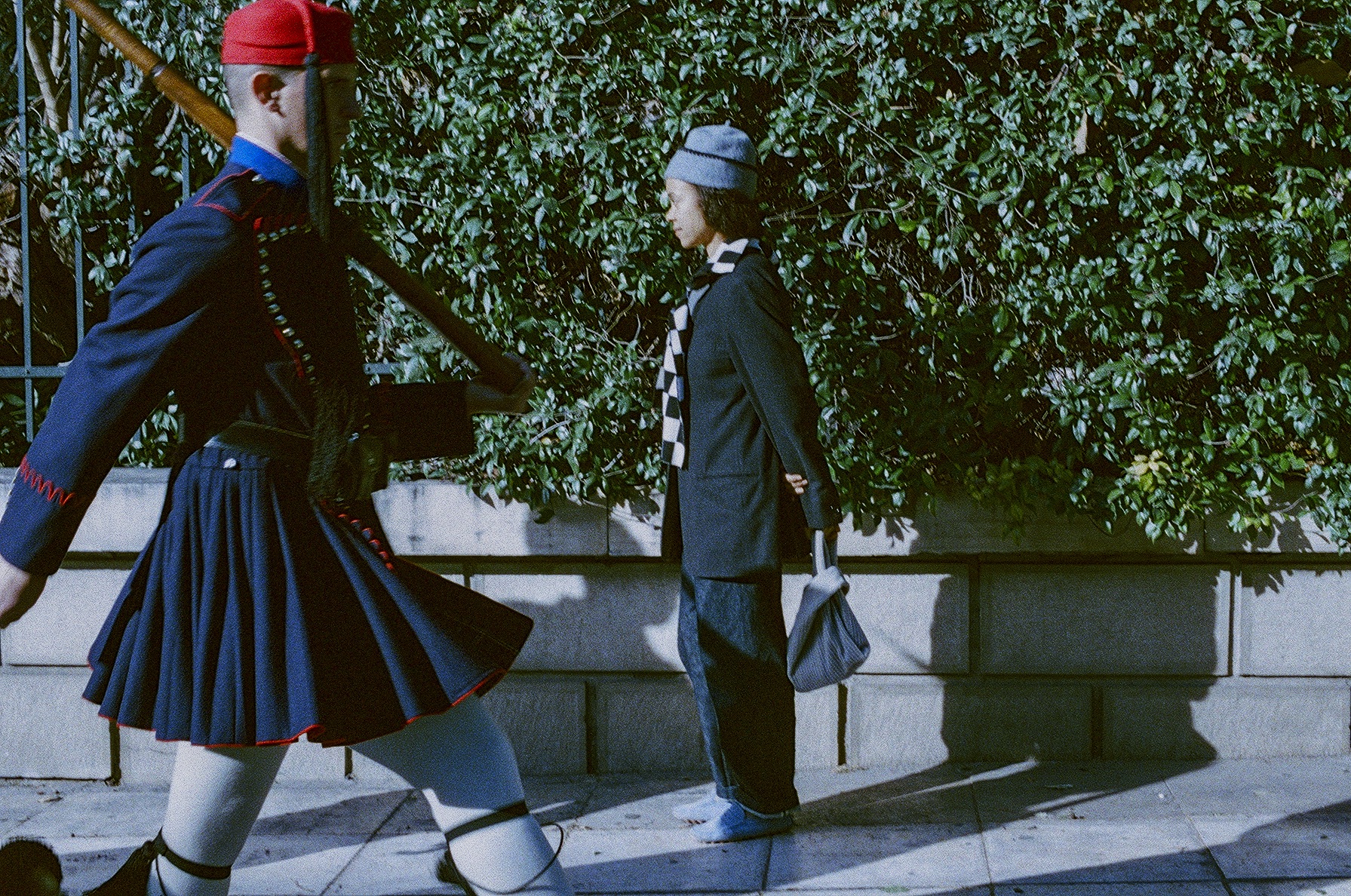
artwork by CASSI NAMODA 

ES: Is there something you dream about for yourself, a future life? 

CN: To further remove myself from Western society. I don’t want to completely disconnect myself, but I want to observe and absorb a slower pace, in tune with nature and the simplicity of life. Whether that’s Morocco or Mozambique or wherever, I feel like I keep getting drawn to that cadence. Athens is not a bad place to start at. 

ES: This is your first time in Athens, right? How does it feel?

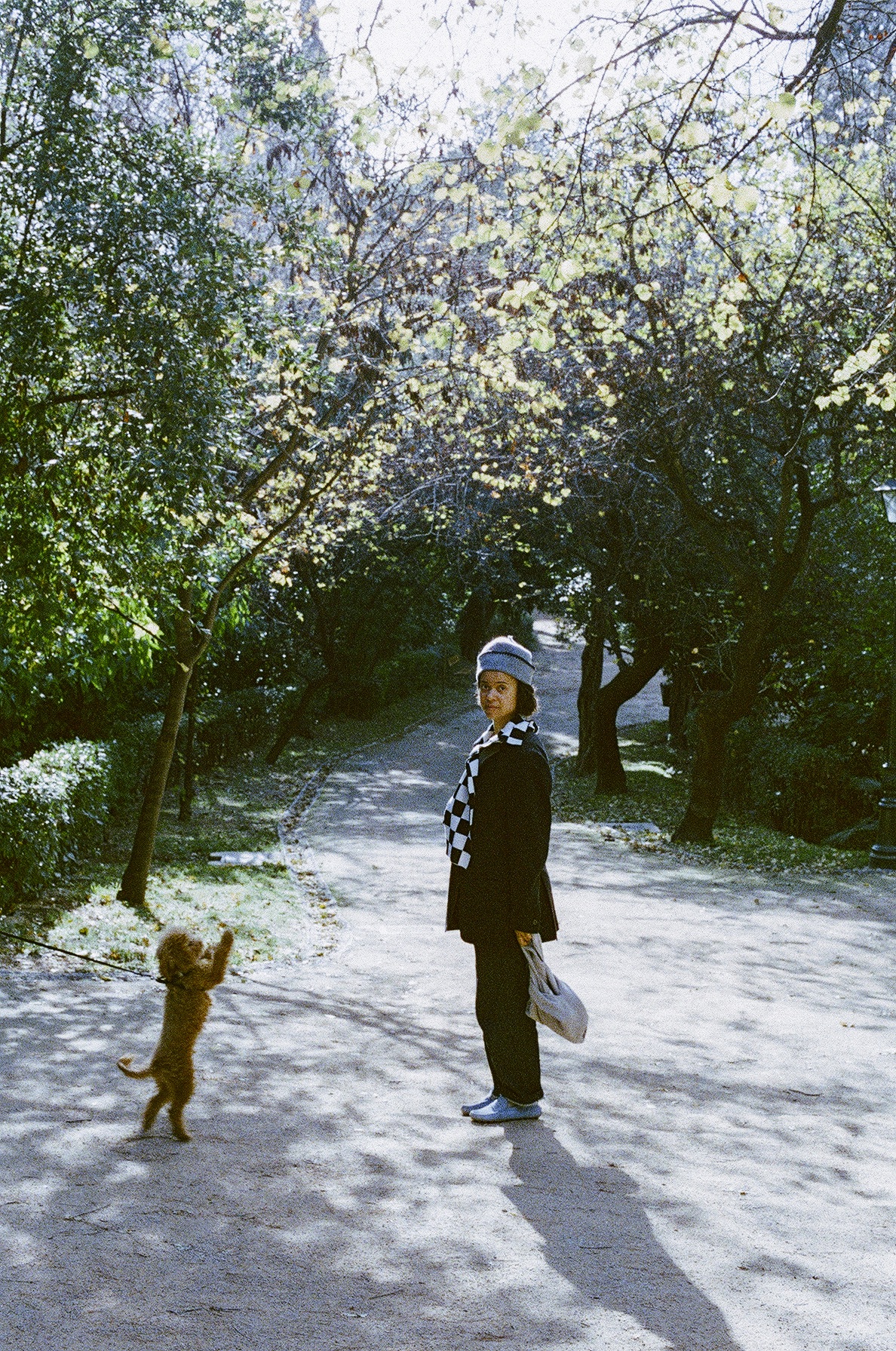
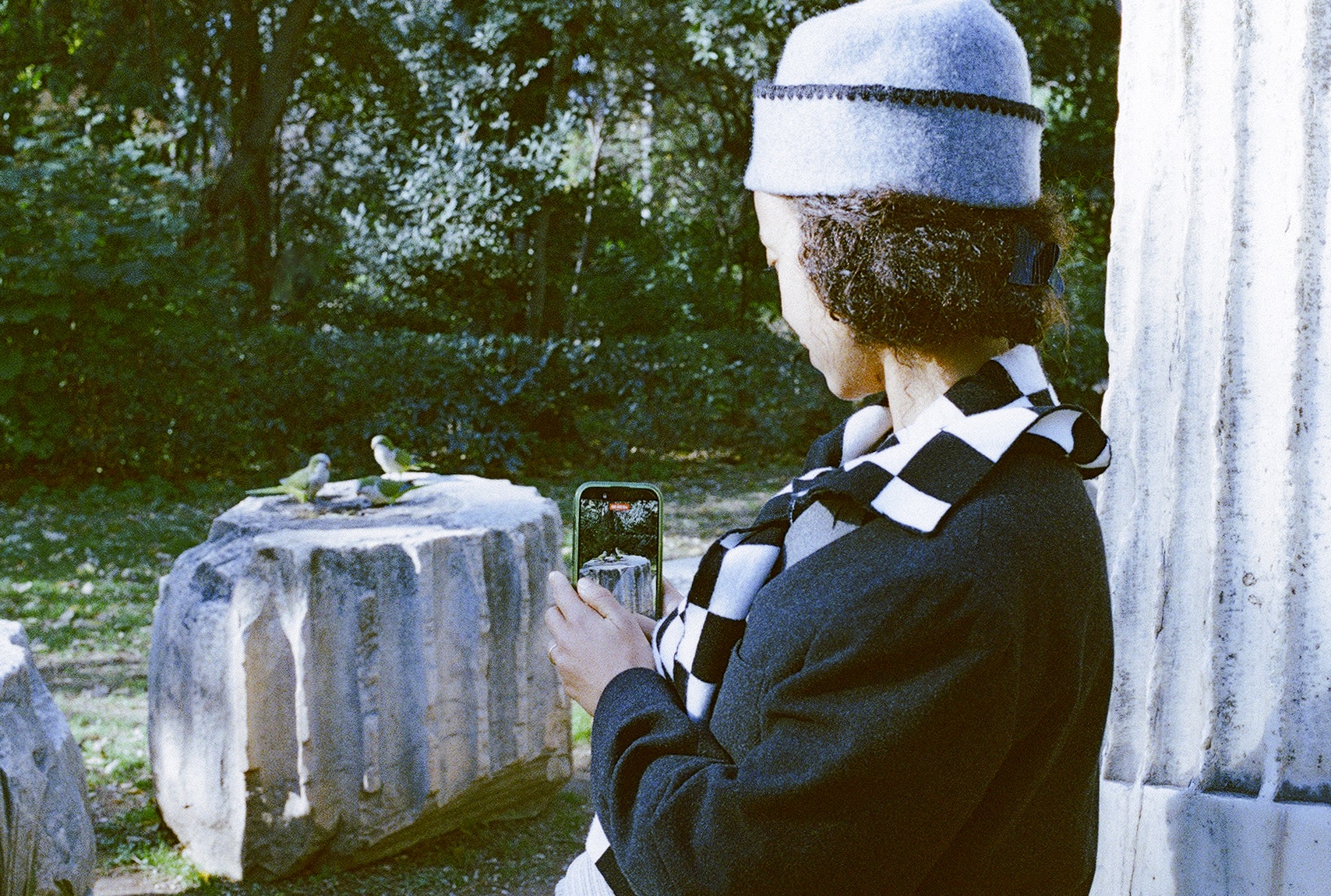
CS: Nostalgic. I like the crumbling sidewalks. Maybe the Athenians don’t like it, but it reminds me of Maputo. It has this sort charm that’s not so ingrained in Western essence. You can move a bit slower, so there’s time to think and embrace. I think it’s a healthy place for a creative to spend a little time. It’s passionate, poetic. And the Greeks are so hearty. Going to the National Gardens has been kind of a morning ritual. My daughter likes to play there, there are colourful parrots. It feels magical and whimsical, and reminds me of some of my paintings, while the ruins in the middle of the park are almost abstract and sculptural and just so poetic the way they’re placed. 

ES: How was your stay in Shila?

CN: It was intimate, like a home. After absorbing everything in the outdoors, returning to Shila felt refined and restful. The outside world quiets down. It’s a good space for imagining, creating, writing and dreaming…


MORE FEATURES